Joseph Pilates didn’t just invent a workout. He built a system. It was all about core strength. Alignment mattered more than speed. Controlled movements were non-negotiable.
Today, that system has splintered. It has evolved. You walk into a studio and see a dozen different styles. They all claim to be “Pilates.” They all promise to fix your back. But they aren’t identical.
If you’re trying to figure out which one fits your body, you need to look past the marketing. You need to know the difference between the original method and what modern instructors have added to it.
Here is how the landscape actually breaks down.
The Original Blueprint: Classical Pilates
This is the source code. Classical Pilates sticks to Joseph Pilates’ original teachings. There is no improvisation here.
Classes follow a fixed sequence. You do the exercises in a specific order. The focus is on control, breath, and flow. It’s disciplined. It’s structured. It emphasizes full-body conditioning and proper alignment.
If you want the purest version of the method, this is it. It doesn’t care about what’s trendy. It cares about the mechanics.
The Accessible Entry Point: Mat Pilates
Most people start here. It’s the most accessible form because it requires almost nothing. Just a mat.
Mat Pilates relies on your own body weight for resistance. It targets the core, the abdominal muscles, and the pelvic floor. It’s not just about abs. It’s about stability.
The beauty of mat work is its flexibility. Beginners can modify exercises. Advanced practitioners can make them harder. It supports improved posture. It builds muscle strength. It’s a workout that scales to who you are, not just what equipment you have.
The Resistance Upgrade: Reformer Pilates
Then there’s the machine. The reformer.
This specialized piece of equipment uses springs and pulleys. It adds dynamic resistance to traditional movements. You push against the springs. The springs push back.
This resistance allows you to target muscle groups in ways mat work sometimes can’t. The springs can also assist movements. This makes it suitable for beginners who need support. It’s also ideal for injury rehab. The machine helps you move safely while building strength.
It’s a different beast entirely. More equipment. More resistance. More variety.
The Modern Twist: Contemporary Pilates
Contemporary Pilates is where tradition meets modern science. It’s not a rejection of the classics. It’s an update.
Instructors often incorporate knowledge from physical therapy and biomechanics. The goal is functional movement patterns. It focuses on maintaining the body’s natural curves. It adapts exercises for specific health concerns.
Because it’s so flexible, the experience varies wildly. One instructor might focus on pelvic health. Another might focus on spinal mobility. It’s less rigid than Classical. It’s more tailored to the individual.
The Medical Angle: Clinical Pilates
When health is the priority, Clinical Pilates steps in.
It’s designed for rehabilitation. It’s often guided by a trained physiotherapist. The focus shifts from general fitness to specific health concerns. Chronic pain. Pelvic pain. Post-injury recovery.
Exercises are tailored to each individual. The goal is safety. It’s about improving core strength and body alignment without causing harm. If you have physical limitations, this is the route to explore.
The Branded Approach: STOTT Pilates
STOTT Pilates is a specific, branded version of contemporary Pilates. It’s not a generic term. It’s a system with its own certifications.
It emphasizes neutral spine alignment. It uses modern exercise science to adapt traditional moves. Breathing patterns are scrutinized. Core stability is paramount. Postural alignment is the end goal.
It’s a structured approach to modern Pilates. If you see this label, you’re getting a method that prioritizes current understanding of movement over historical tradition.
The Vertical Challenge: Tower Pilates
Not all Pilates happens on the floor or on a horizontal frame. Tower Pilates uses a vertical frame.
Springs attach to a mat or platform. It combines elements of reformer work with mat exercises. You get resistance without the full reformer machine.
It helps strengthen muscles. It improves flexibility. The movements remain controlled. It’s a unique way to challenge the body vertically.
The Compact Powerhouse: Pilates Chair
The Pilates chair is small. Don’t let the size fool you.
It provides a challenging body workout. It targets balance. It builds strength. It enhances coordination.
It’s often used by advanced practitioners. The difficulty level is high. But it can be adapted for beginners too. It’s a versatile tool for those who want more resistance than a mat offers.
The Accessory Stack: Props-Based Pilates
Sometimes you don’t need a machine. You just need props.
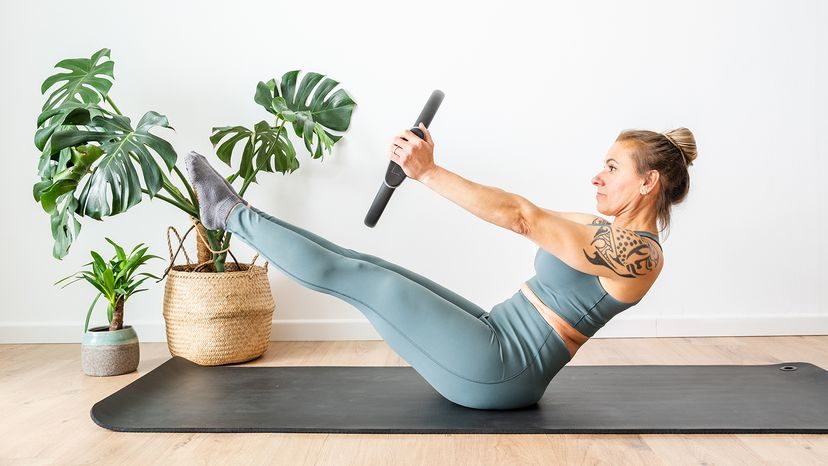
Pilates rings. Resistance bands. Small weights. These tools add variety. They add resistance to mat exercises.
This style is great for targeting specific muscle groups. It breaks up the monotony of bodyweight-only workouts. It allows for new exercises that keep the routine fresh.
The High-Intensity Cousin: The Lagree Method
Is Lagree Pilates? Technically, no. It’s a separate system. But it’s often grouped with Pilates types because it shares DNA.
The Lagree method uses a Megaformer machine. It delivers high-intensity, low-impact workouts. The movements are slow. Controlled.
The goal is strength and endurance. Core stability remains central. It’s intense. It’s not for the faint of heart. But it’s effective if that’s what you’re looking for.
Which One Should You Pick?
With so many options, how do you choose?
It depends on your goals.
If you’re a beginner, start with mat classes or contemporary Pilates. They’re forgiving. They teach the basics.
If you want strength training, look for reformer Pilates. The resistance is harder to ignore.
If you’re rehabilitating an injury, seek out clinical Pilates. Or at least an instructor trained in that area. Safety first.
The Bottom Line
No matter which style you choose, the benefits are real.
Improved posture. Better body alignment. Stronger core muscles. Increased flexibility. Enhanced mental well-being through focused movement.
Pilates is versatile. It supports physical fitness. It adapts to your needs.
But don’t just pick one because it’s popular. Pick one that fits your body. Your goals. Your current reality.
There’s no single right way to do Pilates. There are only the ways that work for you.