New research suggests that adopting healthier habits – including diet and exercise – could prevent more than half of Crohn’s disease cases and nearly half of ulcerative colitis cases. The findings, based on a study of over 200,000 adults in the U.S. and Europe, highlight the significant impact of preventable lifestyle factors on inflammatory bowel disease (IBD).
What is IBD?
Inflammatory bowel disease is an umbrella term for chronic conditions causing inflammation in the digestive tract. Crohn’s disease can affect any part of the GI tract, but often targets the small intestine, while ulcerative colitis typically affects the large intestine, colon, and rectum. Symptoms include persistent diarrhea, abdominal pain, rectal bleeding, weight loss, and fatigue.
IBD diagnoses can severely impact quality of life, and while treatments exist, prevention is critical. This is especially true because existing treatments often only manage symptoms, not cure the underlying inflammation.
The Study: How Much Can Lifestyle Changes Help?
The study examined factors like diet (fruit, vegetable, fiber, red meat intake), tobacco use, BMI, NSAID use, physical activity, and adherence to healthy habits. Researchers found that individuals consistently prioritizing healthy choices—high vegetable intake, adequate fiber, regular exercise, maintaining a healthy weight, and avoiding smoking—could prevent 61% of Crohn’s disease cases and 42% of ulcerative colitis cases.
The researchers acknowledge the study had some limitations: stress, a known trigger for gut issues, wasn’t included. Still, the findings are clear: proactive lifestyle adjustments can significantly reduce IBD risk.
Three Daily Habits for Gut Health
The study’s lessons translate into three straightforward practices you can start today:
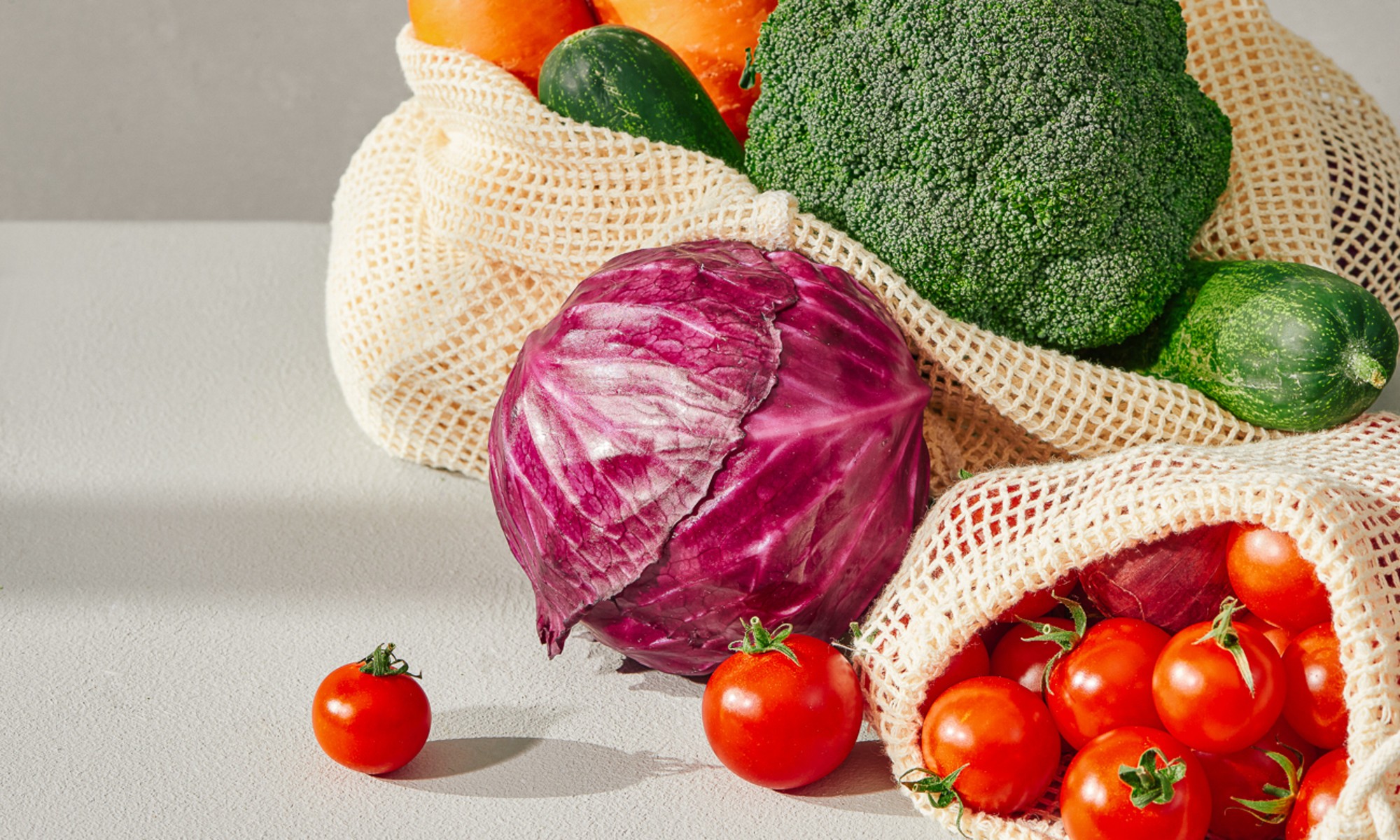
- Prioritize Vegetables: Load up on a variety of vegetables – root, cruciferous, leafy greens, and even nightshades. Vegetables provide essential micronutrients, antioxidants, and fiber to support a healthy weight and robust bodily function.
- Stay Active: Regular physical activity not only helps maintain a healthy weight but also reduces stress and boosts immune function. For people with autoimmune conditions, exercise can also improve symptoms, decrease fatigue, and elevate mood.
- Limit NSAID Use: Over-the-counter pain relievers like ibuprofen can damage the gut microbiome. NSAIDs have been shown to cause inflammation and ulceration in the stomach and small intestine. Use these drugs only when necessary, and consider supporting gut health with a daily probiotic to recolonize beneficial bacteria.
The bottom line: While genetics and other factors play a role, a proactive lifestyle approach can dramatically reduce your risk of developing inflammatory bowel disease. Focusing on diet, exercise, and mindful medication use is a powerful step towards long-term gut health.