May 27, 26
Stop guessing. If you live with Parkinson’s disease, picking the wrong exercise is like guessing at a keyhole. A new network meta-analysis in Frontiers in Physiology cuts through the noise. It pooled data from 67 trials. 2,642 patients. The results don’t just say “move more.” They tell you exactly how.
The breakdown by outcome
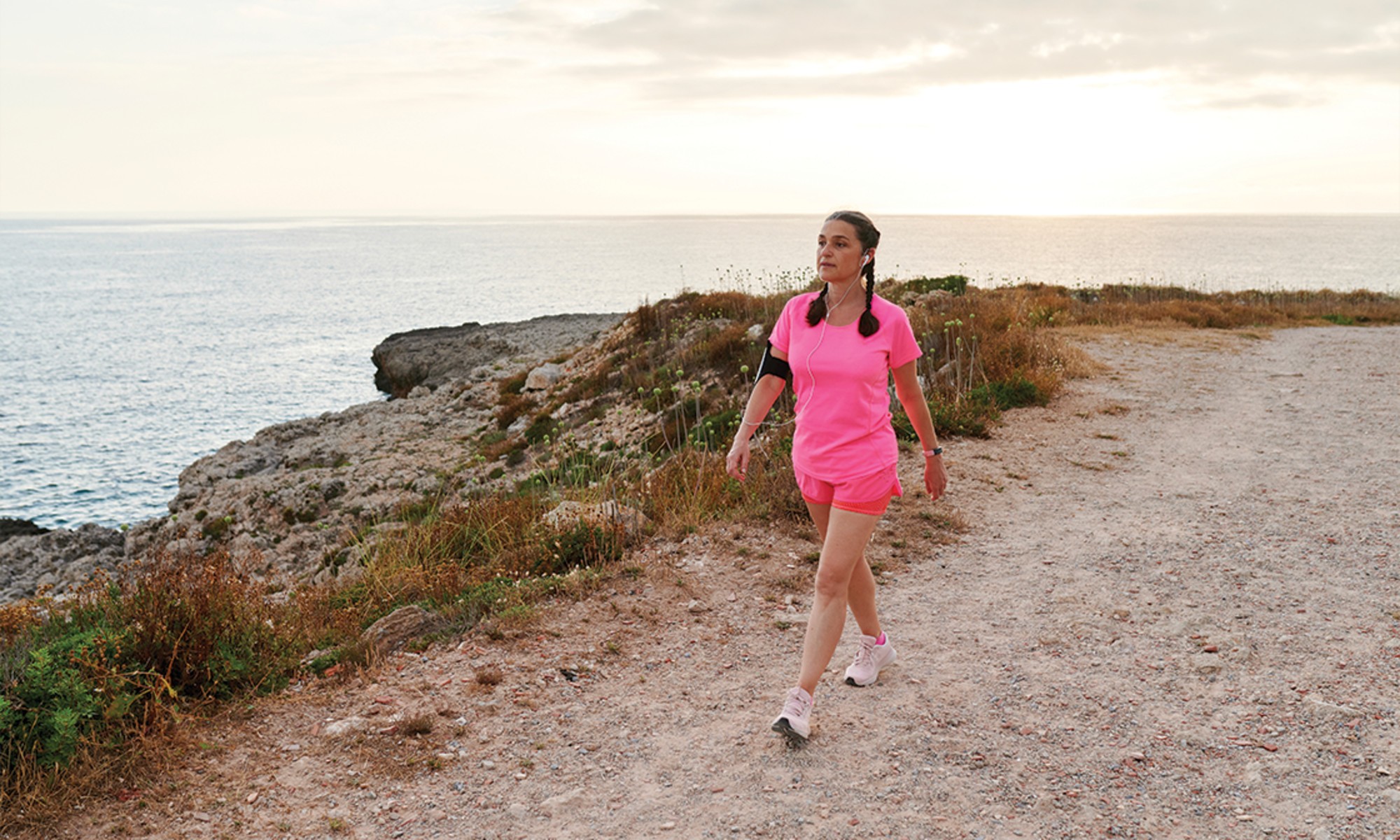
Walking training? It’s the king for raw motor function. The study used the UPDRS-III scale—the gold standard for tracking those shakes and slumps. If that’s your metric, walk.
Dance is different. People in dance programs smashed their timed up-and-go scores. Six-minute walks improved too. This is functional mobility. Real life stuff.
Nordic walking. Those poles aren’t just for hiking. This variant topped the charts for balance and cognition. Specifically, scores on the Montreal Cognitive Assessment jumped the highest here.
And water workouts? Aquatic training wins for overall quality of life. It blends cardio, strength, flexibility into one low-impact splash.
So nothing “wins” everywhere. Which exercise matters most depends entirely on what you care about right now.
“The best choice depends on the individual’s priority.”
Why it works
There is a pattern here. Look at them. Walking, dance, Nordic poles, water aerobics. They are all rhythmic. Repetitive. This kind of movement seems to nudge the brain’s neural regulation into gear.
Think about it. Dance requires you to remember steps. Nordic walking demands you navigate terrain. Both force the brain to handle motor commands and cognitive loads at once. Dual demand. That tension might be why dance boosts mobility and Nordic walking lifts cognitive scores. It challenges the system on two fronts.
Match the move to the goal
Before you lunge, talk to a doctor. Safety first, especially when balance is shaky. But here is the playbook from the study:
- Control motor symptoms: Stick to structured walking training.
- Improve everyday agility: Join a Parkinson’s-specific dance class. Communities often run these adapted programs.
- Guard balance or sharpness: Pick up poles. Try Nordic walking.
- Boost general well-being: Go for a swim or try hydro-therapy.
The nice part? You don’t need to be fit to start. The research covers everyone. Newly diagnosed to advanced stages. There’s an entry point.
Which do you want to feel better in? The body. Or the mind?
That answer changes every week. Maybe even every day. The science is clear, but the choice remains yours. And maybe that’s the point.