Falls are a major concern for individuals with Parkinson’s disease, especially as the condition progresses. Nearly half of all people with Parkinson’s will experience a fall at least once, and these incidents can lead to serious injuries like fractures and head trauma. Understanding the risk factors and taking proactive steps is essential for maintaining independence and quality of life.
How Parkinson’s Impacts Balance
Parkinson’s disease affects the brain regions controlling movement, leading to several symptoms that increase fall risk. These include poor balance due to weakened muscles, posture changes, and slowed reflexes; freezing of gait, where feet feel stuck to the floor; cognitive changes impacting focus; shuffling steps (festination ) that cause tripping; sudden blood pressure drops (orthostatic hypotension ); difficulty sensing foot position; and vision problems.
Medications can also contribute to falls, particularly narcotics, some anti-seizure drugs, or polypharmacy (taking multiple medications at once). Parkinson’s medications themselves can sometimes cause drowsiness or confusion as side effects.
As the disease advances, movement becomes less automatic, requiring conscious effort for each step. Any distraction can throw off balance.
Taking Action: What You Can Do
The first step in preventing falls is an open discussion with your healthcare provider. Bring up medications, blood pressure issues, freezing episodes, and cognitive changes so they can be addressed. Doctors can adjust medications to minimize side effects, look for underlying causes like vision problems or neuropathy, and ensure adequate vitamin D and calcium intake for bone health.
Physical therapy is crucial. Therapists can teach personalized movement strategies, muscle-strengthening exercises, and proper use of assistive devices like walkers.
- Movement Cues: If you freeze, try shifting your weight, stepping to the side, raising your arm, or using visual cues like a laser pointer on the floor. Imagining an obstacle to step over can also help.
- LSVT BIG: This therapy focuses on larger movements to counteract Parkinson’s symptoms and improve gait.
- Strengthening Exercises: Targeted exercises enhance posture, balance, and walking ability.
Home Safety Modifications
Your home environment plays a significant role. Simple changes can reduce fall risks:
- Remove loose rugs and clutter.
- Keep frequently used items within easy reach.
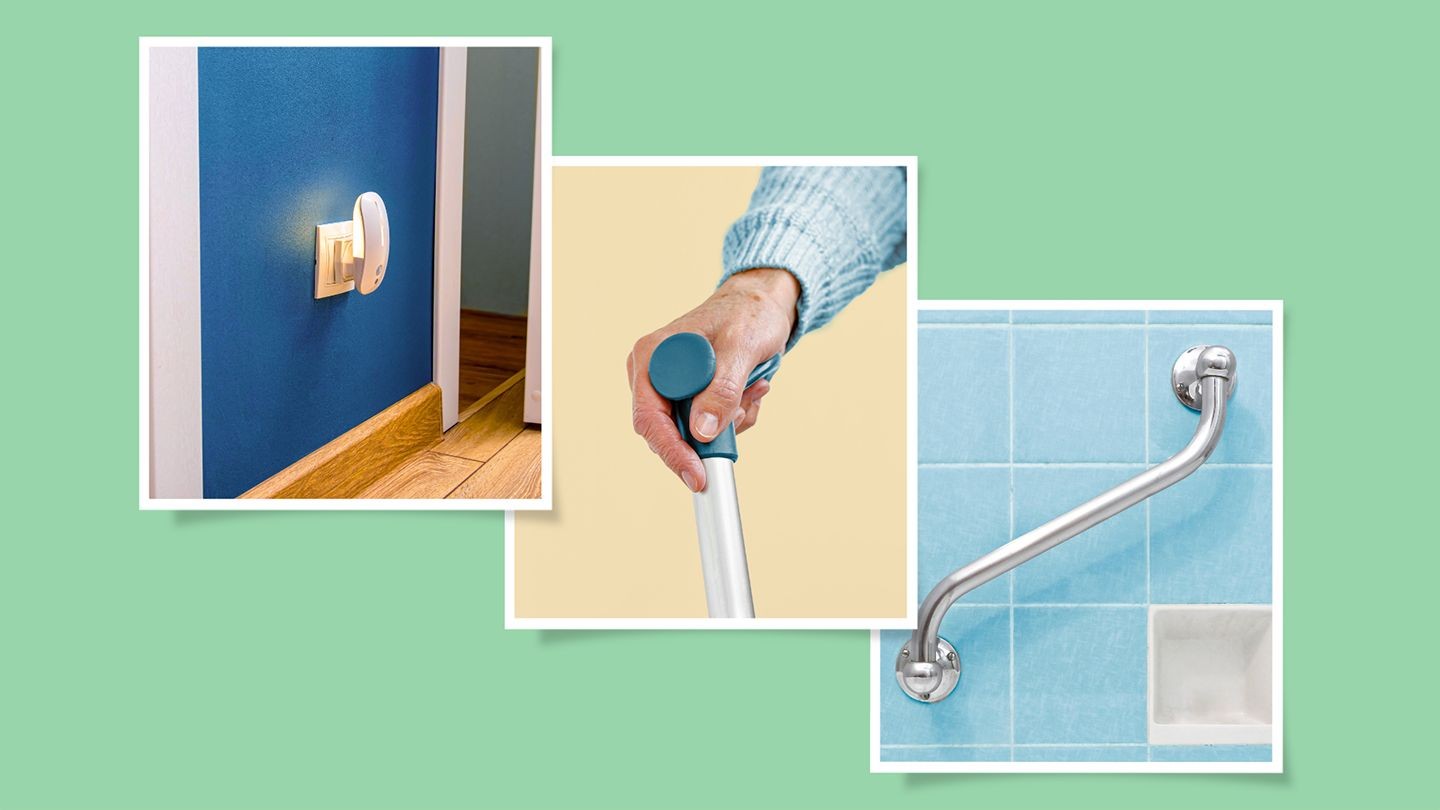
- Install motion-sensor lights in hallways and bathrooms.
- Wear well-fitting pants to avoid tripping.
- Add high-contrast coloring to stairs or flooring changes.
- Use raised toilet seats with arms for support.
- Install shower benches.
- Choose lightweight, stable shoes with ankle support and non-slip soles.
Addressing the Fear of Falling
Fear of falling is common, but it can worsen the problem by reducing activity and weakening muscles. Pushing through this fear—while taking precautions—can improve quality of life. Support from family, friends, and mental health professionals can also help.
If you have fallen or feel unsteady, seek help immediately. Together with your healthcare team, you can create a plan to maintain mobility, safety, and independence.
Ultimately, preventing falls in Parkinson’s requires a proactive, multi-faceted approach. By combining medical management, physical therapy, and home modifications, individuals can significantly reduce their risk and maintain an active lifestyle.