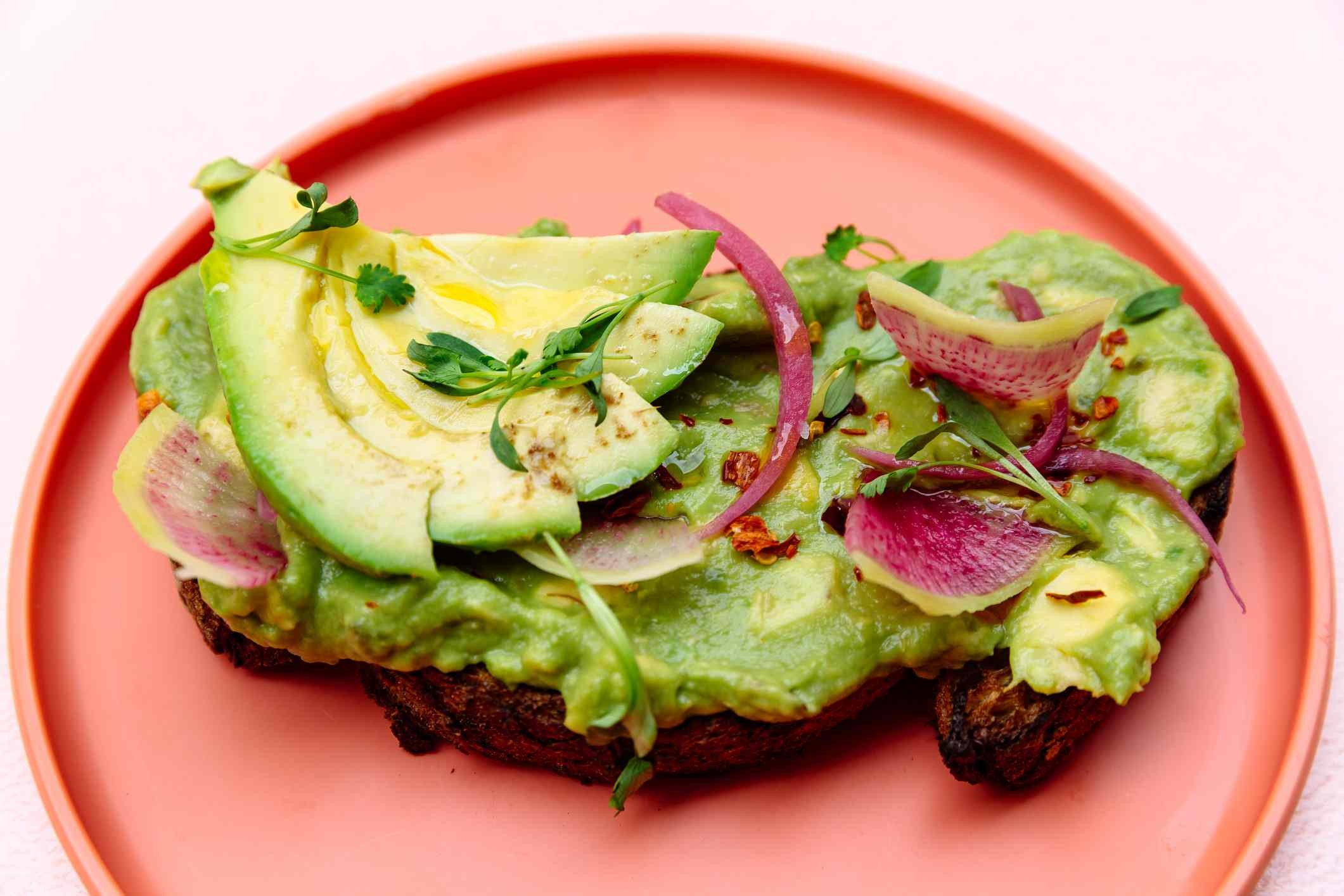
While avocados rightly get a lot of attention for their nutritional value, there’s a wide world of other foods packed with beneficial fats. These aren’t just about heart health or weight management; healthy fats are fundamental to nutrient absorption, hormone production, and overall well-being. Here are eight options to diversify your fat intake beyond the usual suspects.
The Essential Role of Fats in Your Diet
Before diving into specifics, it’s vital to understand why fats matter. They aren’t the enemy. Fats are necessary for absorbing fat-soluble vitamins (A, D, E, and K) and producing crucial hormones like estrogen. The key is choosing the right kinds. Prioritizing polyunsaturated fats over saturated fats can reduce heart disease risk factors, but a holistic, balanced diet is still the goal.
1. Extra-Virgin Olive Oil: A Mediterranean Staple
Extra-virgin olive oil (EVOO) isn’t just a cooking oil; it’s a health powerhouse. Rich in monounsaturated fats, especially oleic acid, EVOO delivers potent anti-inflammatory effects. Studies consistently link high olive oil intake to lower risks of heart disease, diabetes, and even certain cancers. EVOO contains antioxidants like hydroxytyrosol and oleuropein, which boost its protective properties.
Fat Profile (per tablespoon): 14g total fat, 10g monounsaturated, 2g saturated.
2. Egg Yolks: The Nutrient-Dense Core
Egg yolks have faced undeserved criticism due to their cholesterol content. However, they are brimming with vital nutrients, including healthy fats. Research shows dietary cholesterol doesn’t necessarily translate to higher blood cholesterol levels as severely as saturated and trans fats do. Egg yolks provide heart-healthy unsaturated fats, plus lutein and zeaxanthin – compounds known for protecting cells.
Fat Profile (per large egg): 5.3g total fat, 2.04g monounsaturated, 0.75g polyunsaturated, 1.64g saturated.
3. Walnuts: Omega-3 Powerhouse
Walnuts are an excellent source of alpha-linolenic acid (ALA), a plant-based omega-3 fatty acid with strong anti-inflammatory and antioxidant effects. Increasing ALA intake, through foods like walnuts, may lower heart disease risk by improving cholesterol levels. They also protect against heart disease by reducing LDL cholesterol.
Fat Profile (per ounce): 17g total fat, 2.34g monounsaturated, 12g polyunsaturated, 2.38g ALA.
4. Chia Seeds: Small Seeds, Big Benefits
Chia seeds are packed with polyunsaturated fats, mainly ALA, which gives them anti-inflammatory properties. Beyond fats, they’re rich in fiber – helping lower cholesterol – and magnesium, which is essential for regulating blood sugar and blood pressure. They also contain protein for sustained fullness.
Fat Profile (per ounce): 8.7g total fat, 0.65g monounsaturated, 6.72g polyunsaturated, 5.05g ALA.
5. Full-Fat Yogurt: Beyond Low-Fat Options
Full-fat yogurt offers more than just calories; it provides over 400 distinct fatty acids, including C15:0 and C17:0, which may reduce inflammation, support cell repair, and lower blood lipids. Yogurt from grass-fed cows has even higher levels of omega-3s and conjugated linoleic acid (CLA), further boosting its anti-inflammatory profile.
Fat Profile (per 170g serving): 5g total fat, 2.4g saturated, 2.14g monounsaturated, 0.46g polyunsaturated.
6. Flaxseeds and Flax Oil: ALA Champion
Flaxseed oil is the richest plant source of ALA, containing roughly 53% by weight. Flaxseeds themselves offer ALA alongside fiber, minerals, and antioxidants like secoisolariciresinol diglucoside (SDG), known for lowering cholesterol.
Fat Profile (per tablespoon): 13.6g total fat, 2.5g monounsaturated, 9.22g polyunsaturated, 7.26g ALA.
7. Sardines: The Tiny Fish with Mighty Benefits
Sardines are a nutritional powerhouse, delivering protein, vitamins, minerals, and the omega-3s EPA and DHA. EPA and DHA reduce inflammation, lower blood lipids, and improve blood vessel function. Regularly eating sardines may even reduce the need for separate omega-3 supplements.
Fat Profile (per 1-ounce serving): 3.23g total fat, 0.134g EPA, 0.144g DHA.
8. Hemp Seeds: A Complete Protein and Fat Source
Hemp seeds are rich in ALA, offering anti-inflammatory and heart-protective benefits. They also provide magnesium, crucial for blood pressure regulation. One ounce of hemp seeds delivers around 50% of your daily magnesium needs.
Fat Profile (per tablespoon): 14.6g total fat, 1.6g monounsaturated, 11.4g polyunsaturated, 1.6g ALA.
In conclusion, diversifying your fat intake beyond avocado isn’t just about variety; it’s about maximizing the health benefits of different fatty acid profiles. These eight sources offer a range of nutrients and compounds that contribute to overall well-being, making them valuable additions to a balanced diet.