Most people associate protein with meat, eggs, and dairy. However, a wide range of plant-based and less-conventional foods offer substantial protein content, often alongside other vital nutrients. Integrating these options can diversify your diet, improve gut health, and support overall wellness. Here’s a breakdown of 15 protein-rich foods you might not have considered.
The Importance of Protein Diversity
Why does it matter? Beyond muscle building, protein is essential for hormone production, enzyme function, and immune support. Relying solely on a few sources can lead to nutrient deficiencies. Moreover, plant-based proteins often come with fiber and antioxidants, offering benefits animal sources don’t.
The Top 15 Protein Sources
- Lentils: Boasting 17.9 grams of protein per cup, lentils are a plant-based powerhouse. They also deliver 15.6 grams of fiber, supporting digestive health and satiety.
- Peas: One cup of cooked peas provides 8.58 grams of protein and a significant dose of folate – crucial for pregnant women. Folate is a B vitamin vital for fetal development.
- Hemp Seeds: Derived from the Cannabis sativa plant, hemp seeds pack 9.48 grams of protein per ounce, along with magnesium for blood sugar control and stress reduction.
- Edamame: Immature soybeans offering 18.5 grams of protein and 8.06 grams of fiber per cup. High fiber intake is linked to lower cholesterol absorption.
- Pumpkin Seeds: A tasty snack delivering 8.45 grams of protein per ounce, rich in zinc for immune function and wound healing.
- Quinoa: This grain provides 8 grams of protein per cup, surpassing white rice (3.52 grams). Quinoa is also high in fiber, folate, magnesium, zinc, and iron.
- Kefir: A fermented yogurt drink with 9.21 grams of protein per cup. Kefir promotes gut health by encouraging the growth of beneficial bacteria.
- Chia Seeds: Offering 4.86 grams of protein per ounce, chia seeds regulate blood sugar through fiber, protein, and magnesium.
- Kamut: An ancient wheat variety with 9.82 grams of protein per cup. Kamut is rich in antioxidants protecting cells from disease.
- Mung Beans: Providing 14.2 grams of protein per cup, mung beans also contain polyphenols linked to reduced cancer risk.
- Teff: An ancient grain with 10 grams of protein and 7.06 grams of fiber per cup. Teff is a good source of magnesium for blood sugar control.
- Pistachios: Delivering 5.73 grams of protein per ounce, pistachios are high in fiber, healthy fats, B vitamins, and vitamin E.
- Lima Beans: One cup provides 11.6 grams of protein, alongside vitamins C and magnesium for overall health.
- Brussels Sprouts: Despite being a vegetable, one cup offers 3.98 grams of protein, plus high doses of vitamins C and K.
- Guava: This tropical fruit delivers 4.21 grams of protein per cup, alongside a massive dose of vitamin C for immune support.
Practical Integration
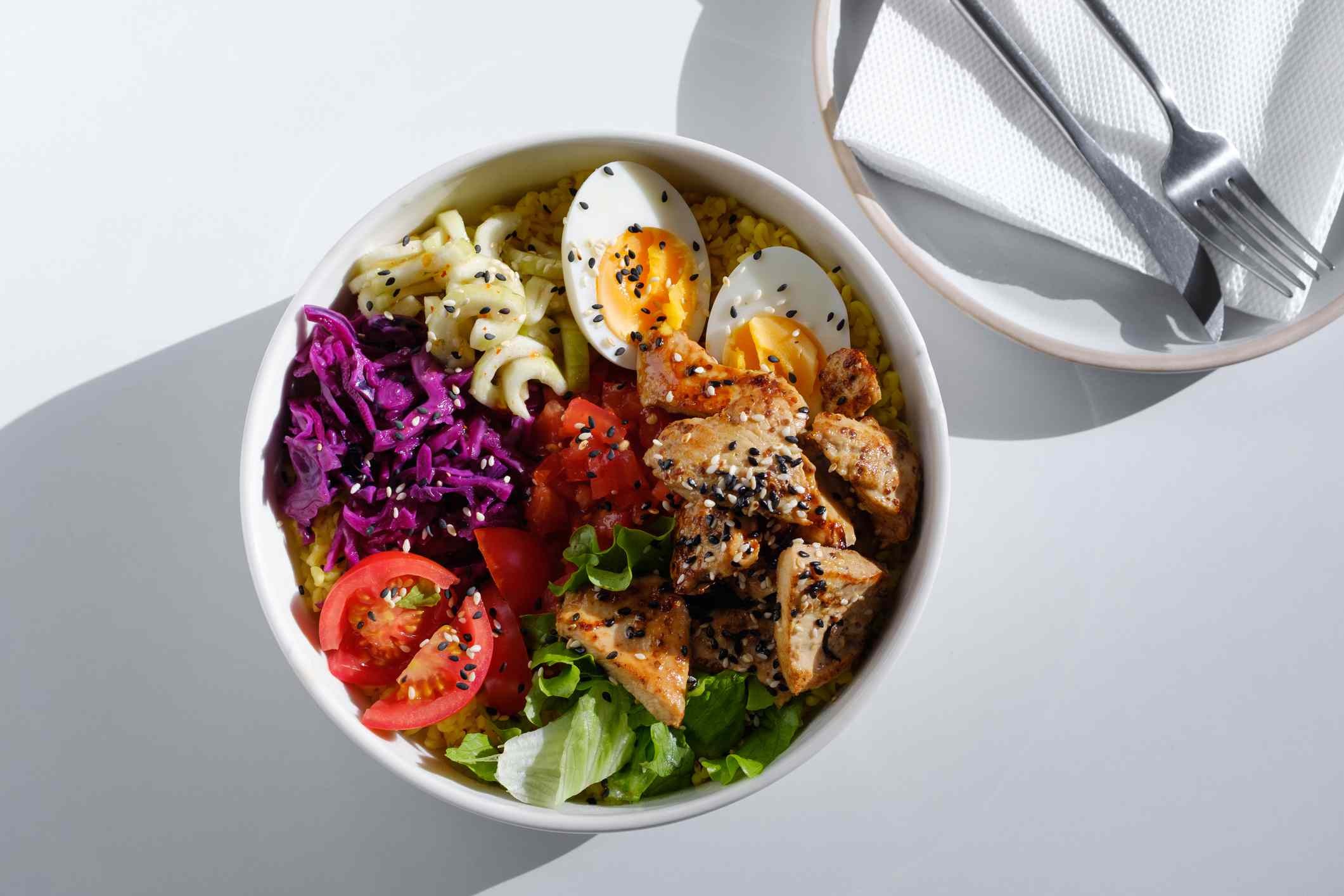
These foods aren’t replacements for traditional protein sources but valuable additions. Incorporate them into smoothies, salads, grain bowls, or simply enjoy them as snacks. The key is variety.
Conclusion: Diversifying your protein intake beyond common sources can enhance nutrient density, gut health, and overall well-being. From lentils to guava, these 15 options prove that protein isn’t limited to meat or dairy.