Falls and fractures are a significant health concern, affecting a substantial portion of the population—particularly those over 65, where one in four experience a fall each year. These incidents aren’t just painful; they’re costly, with up to 20% resulting in serious injuries like bone fractures. As the population ages, addressing preventable risk factors like inadequate nutrition becomes increasingly critical.
While vitamin D, calcium, and protein are widely recognized for their role in bone health, emerging research highlights another essential nutrient often overlooked: vitamin K. A recent study conducted in the United Kingdom and Australia examined the impact of various nutrients on bone health, with vitamin K showing particularly promising results.
The research found that increasing vitamin K intake through leafy green consumption over just four weeks demonstrably improved bone health. Furthermore, longitudinal studies reveal a strong correlation between lower vitamin K levels and increased frailty—with individuals exhibiting 62% to 75% higher odds of fragility over 13 years. Critically, poorer vitamin K status was also linked to a greater risk of injurious falls in older women.
The study concluded that adequate vitamin K supports musculoskeletal growth, directly contributing to fall and fracture prevention. The recommended daily intake is slightly over 100 micrograms, an amount easily achievable through diet or supplementation.
Here’s how to ensure you’re getting enough vitamin K:
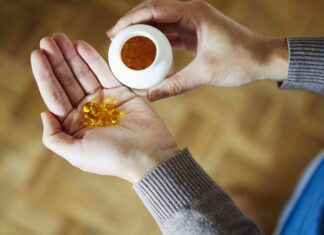
- Consider a Multivitamin: A high-quality multivitamin can provide a consistent dose of vitamin K, especially beneficial for those who struggle to meet their needs through diet alone.
- Prioritize Leafy Greens: Incorporate dark leafy greens like kale and spinach, as well as cruciferous vegetables like broccoli and Brussels sprouts, into your regular meals.
- Be Mindful of Protein Intake: Studies indicate that individuals following vegan diets may be at higher risk of fractures due to lower levels of vitamin K, vitamin D, and protein. Ensure adequate protein intake if you avoid meat.
- Use Antibiotics Judiciously: Antibiotics can disrupt gut bacteria responsible for vitamin K production, potentially leading to deficiencies. Use them only when necessary and consider gut-restoring protocols afterward.
In conclusion, vitamin K is a vital yet often underestimated nutrient for maintaining bone health and preventing falls and fractures. By prioritizing adequate intake through diet or supplementation, you can proactively reduce your risk of these debilitating injuries as you age.