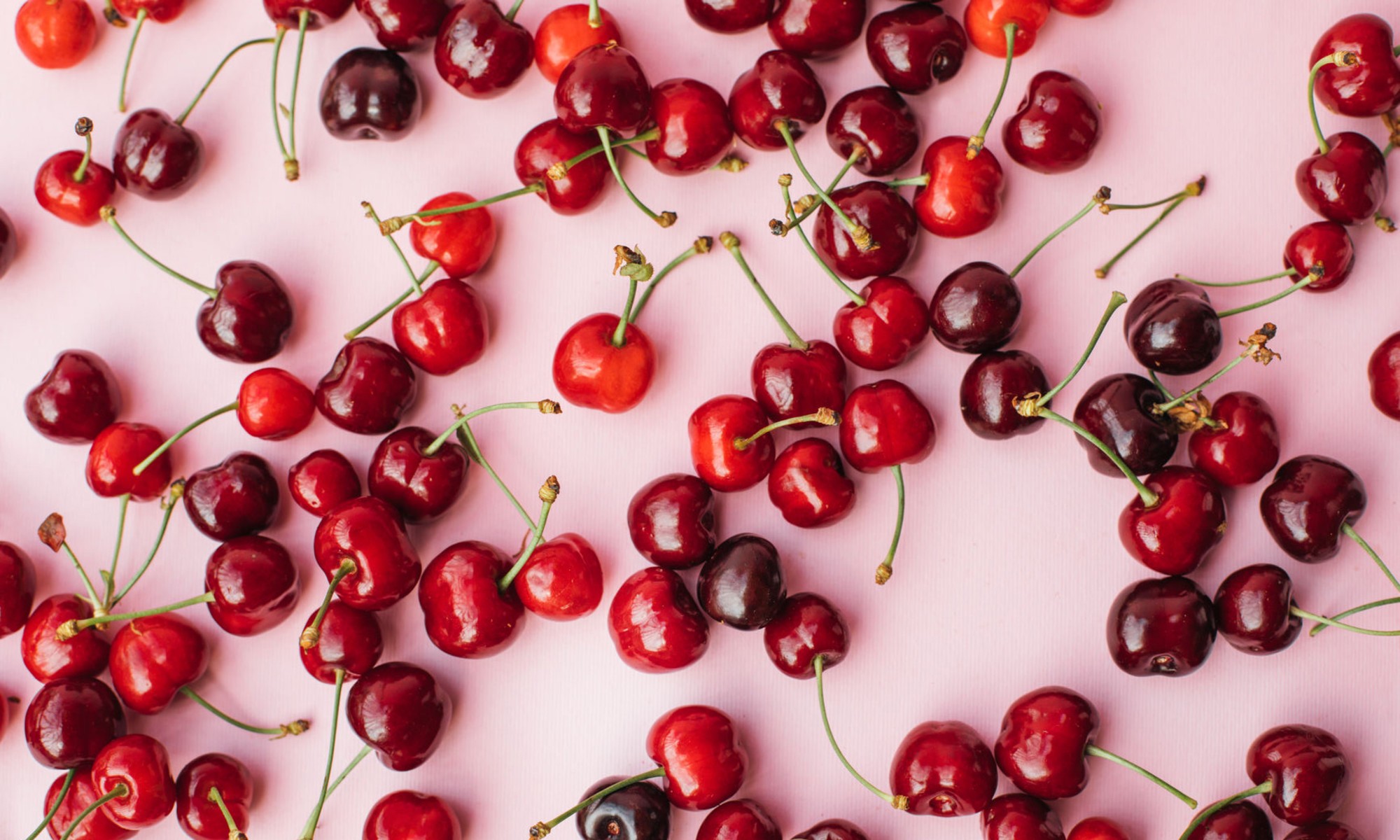
Key finding: Compounds in dark sweet cherries may help slow the progression of triple-negative breast cancer, a particularly challenging form of the disease. While early, the research suggests dietary interventions could complement existing cancer treatments.
The Challenge of Triple-Negative Breast Cancer
Triple-negative breast cancer (TNBC) represents 10-15% of all breast cancer cases but is notably difficult to treat. Unlike other breast cancers, TNBC lacks key receptors for estrogen, progesterone, and HER2, rendering many targeted therapies ineffective. This form of cancer tends to grow rapidly, often spreads quickly, and has a higher risk of recurring after treatment.
Disproportionate Impact: TNBC disproportionately affects Black women, with roughly 1 in 5 diagnoses occurring in this demographic. This disparity underscores the urgent need for effective treatment options and targeted research.
How Cherries May Help
The study, published in Scientific Reports, focuses on anthocyanins—the plant compounds responsible for the deep red and purple hues in dark sweet cherries and other fruits. Researchers found that these anthocyanins interfere with the cancer cells’ ability to develop resistance to treatment.
Beyond Antioxidants: Anthocyanins are already known for their antioxidant and anti-inflammatory properties. However, this research suggests they also disrupt signaling pathways that cancer cells use to grow, spread, and evade treatment. In lab settings, cherry-derived anthocyanins specifically targeted the mechanisms that drive metastasis and therapy resistance.
The Role of Diet and Future Research
While these findings are promising, it’s crucial to note that this research was conducted on animal models and does not guarantee the same results in humans. Clinical trials are needed to confirm the effectiveness and safety of anthocyanins in treating TNBC.
A Reminder of Food’s Power: Despite the early stage of research, this study highlights the potential impact of dietary choices on health. Incorporating anthocyanin-rich foods – like dark sweet cherries, blueberries, blackberries, and purple grapes – into a balanced diet may be a simple step toward supporting overall well-being. Further studies are underway to explore these compounds’ full potential in cancer treatment and prevention.
The study reinforces the idea that what we eat can influence our health in significant ways, and may offer another tool in the fight against aggressive cancers.