


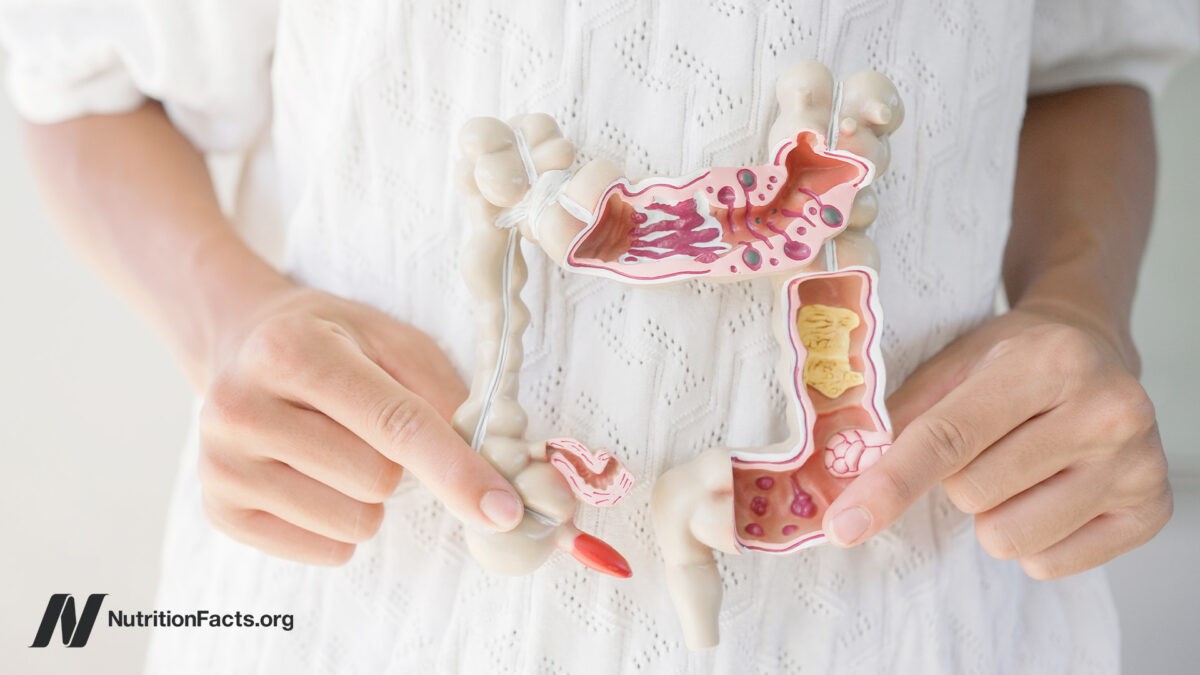
The health of your gut lining is central to overall well-being. Unlike other barriers in the body, the intestinal tract is exposed to everything you eat, making diet a key factor in maintaining its integrity. A compromised gut barrier — often called “leaky gut” — can allow undigested food particles, microbes, and toxins into the bloodstream, triggering chronic inflammation.
The Role of Diet in Gut Health
Western diets high in processed foods contribute to gut dysbiosis, an imbalance in the gut microbiome. This dysbiosis can lead to inflammation and weaken the intestinal barrier. However, shifting towards a plant-based diet may offer protection. Research suggests that individuals following vegetarian diets exhibit a more balanced gut microbiome, higher bacterial diversity, and a stronger intestinal barrier.
Plant-based diets are rich in fiber, the primary food source for beneficial gut bacteria. These bacteria produce short-chain fatty acids (SCFAs) which nourish and protect gut cells, reinforcing the intestinal barrier. This isn’t just theoretical: studies show that increasing whole grains, beans, lentils, fruits, vegetables, nuts, and seeds can significantly reduce zonulin levels – a key biomarker for gut permeability.
Fiber: The Cornerstone of Gut Integrity
While fiber is crucial, proving a direct causal link requires rigorous studies. One such study found that adding fiber to pasta resulted in lower zonulin levels compared to pasta without fiber. This suggests that appropriate fiber intake helps maintain the intestinal barrier’s structure and function.
Beyond fiber, certain plant compounds offer additional benefits. Curcumin from turmeric and sulforaphane from broccoli have shown protective effects against intestinal damage in animal models. A small human study even demonstrated that turmeric can reduce gastrointestinal inflammation caused by exercise.
The Potential of Zinc
Zinc supplementation also shows promise in protecting the gut. Studies indicate that zinc can mitigate intestinal damage caused by NSAID drugs like ibuprofen. Even low doses of zinc (3mg) – equivalent to a cup of cooked lentils – may improve gut leakiness in adults.
“Maintaining a healthy gut barrier requires a holistic approach, with dietary fiber and zinc as key components. While more research is needed, evidence suggests that prioritizing whole plant foods and adequate zinc intake can significantly improve gut integrity.”
In conclusion, adopting a diet rich in plant-based fiber and ensuring sufficient zinc intake are practical steps towards healing a leaky gut. These dietary changes, backed by scientific evidence, may protect against chronic inflammation and improve overall health.


