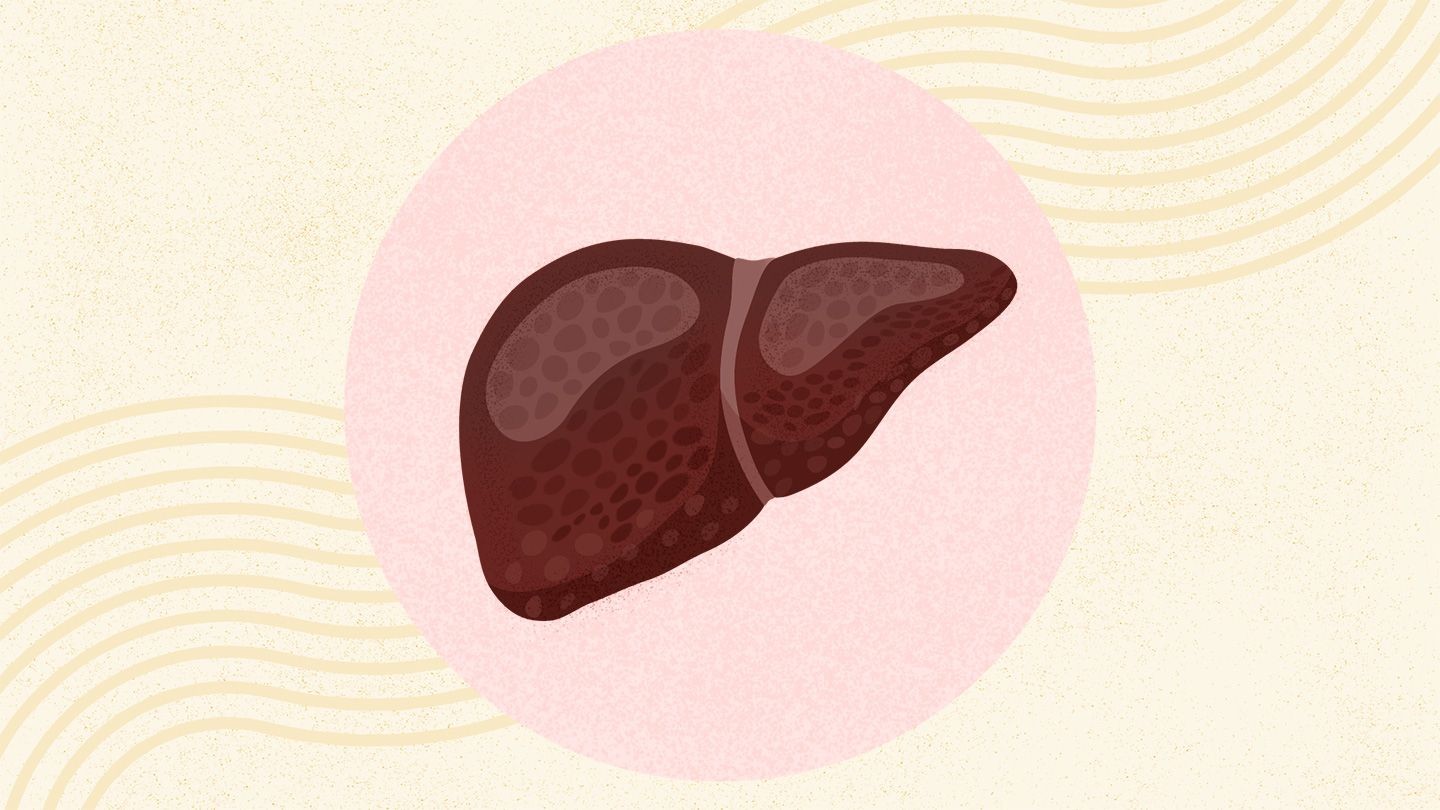
Cirrhosis is a severe condition where healthy liver tissue is progressively replaced by scar tissue. This scarring disrupts normal liver function, impacting blood flow, nutrient processing, hormone regulation, and medication metabolism. While often irreversible, symptoms can be managed, and early diagnosis is critical to slowing progression.
What Happens in Cirrhosis?
The liver’s ability to function declines as scar tissue accumulates. Doctors categorize scarring into four stages (F1-F4), with cirrhosis representing stage F4 – advanced, widespread damage. Untreated, this leads to liver decompensation, where the organ can no longer perform its essential tasks. Many people remain unaware until a scan reveals the damage, as early stages often lack noticeable symptoms.
Key Symptoms to Watch For
As cirrhosis advances, symptoms become apparent. These include:
- Fatigue and Appetite Loss: Severe tiredness and reduced desire to eat.
- Skin Changes: Intense itching, yellowing of the skin and eyes (jaundice), pale fingernails.
- Fluid Buildup: Swelling in legs, ankles, feet, or abdomen (edema).
- Neurological Effects: Confusion, slurred speech, indicating toxin buildup in the brain.
- Unusual Urine Color: Dark brown or orange urine.
What Causes Cirrhosis?
Multiple factors can lead to cirrhosis:
- Chronic Viral Hepatitis (B, C, D): Particularly Hepatitis C in the US, causing inflammation and scarring. Roughly 25% of those with Hepatitis C develop cirrhosis.
- Alcohol Abuse: Excessive alcohol consumption damages liver cells over time. The amount varies per person but is a major driver of the disease.
- Metabolic Dysfunction-Associated Liver Disease (MASH): Previously known as non-alcoholic fatty liver disease, this occurs when fat accumulates in the liver, leading to inflammation and scarring.
- Bile Duct Diseases: These block bile flow, causing liver backup and damage.
- Genetic Disorders: Conditions like Wilson disease or hemochromatosis can increase risk.
Diagnosis: How Doctors Detect Cirrhosis
Diagnosis starts with a medical exam, review of lifestyle, and blood tests. Abnormal liver enzyme levels suggest dysfunction. The “gold standard” remains a liver biopsy, though invasive. Increasingly, non-invasive methods like shear wave elastography, transient elastography, and magnetic resonance elastography measure liver stiffness to assess scarring severity. CT scans, MRIs, and endoscopies may also be used to detect complications like enlarged veins in the esophagus.
Treatment and Management
Cirrhosis treatment focuses on stopping progression and managing symptoms. This means eliminating the underlying cause (e.g., treating hepatitis or abstaining from alcohol). Medications can address complications:
- Diuretics: Reduce fluid buildup.
- Lactulose: Clears toxins from the brain in hepatic encephalopathy.
- Antibiotics (Rifaximin): Prevent recurrent brain toxin buildup.
- Beta-Blockers: Lower blood pressure in the portal vein, reducing bleeding risk.
- Bile Acid Sequestrants: Relieve itching.
In severe cases, a liver transplant may be necessary, but organ availability is limited. Avoid unproven “detox” supplements, as some can harm the liver further.
Lifestyle Changes Matter
Cirrhosis is progressive, but lifestyle adjustments can slow damage:
- Diet: Follow a nutritionist-approved plan.
- Abstinence: Avoid alcohol entirely.
- Exercise: 150 minutes of moderate activity plus strength training weekly.
- Sodium Control: Limit salt to reduce fluid retention.
- Avoid Raw Shellfish: Risk of serious infection.
- Medication Review: Discuss potential liver-damaging drugs with your doctor.
- Vaccinations: Stay current on hepatitis A/B shots.
The Outlook
Life expectancy varies based on severity and cause. Early diagnosis and treatment can minimize impact. Doctors use the Model for End-Stage Liver Disease (MELD) score to predict mortality and prioritize transplant candidates.
Complications like portal hypertension, hormonal imbalances, digestive issues, kidney failure, and liver cancer can arise.
Ultimately, cirrhosis is a serious disease that demands proactive management. Slowing progression through treatment and lifestyle changes is the key to improving quality of life and survival.