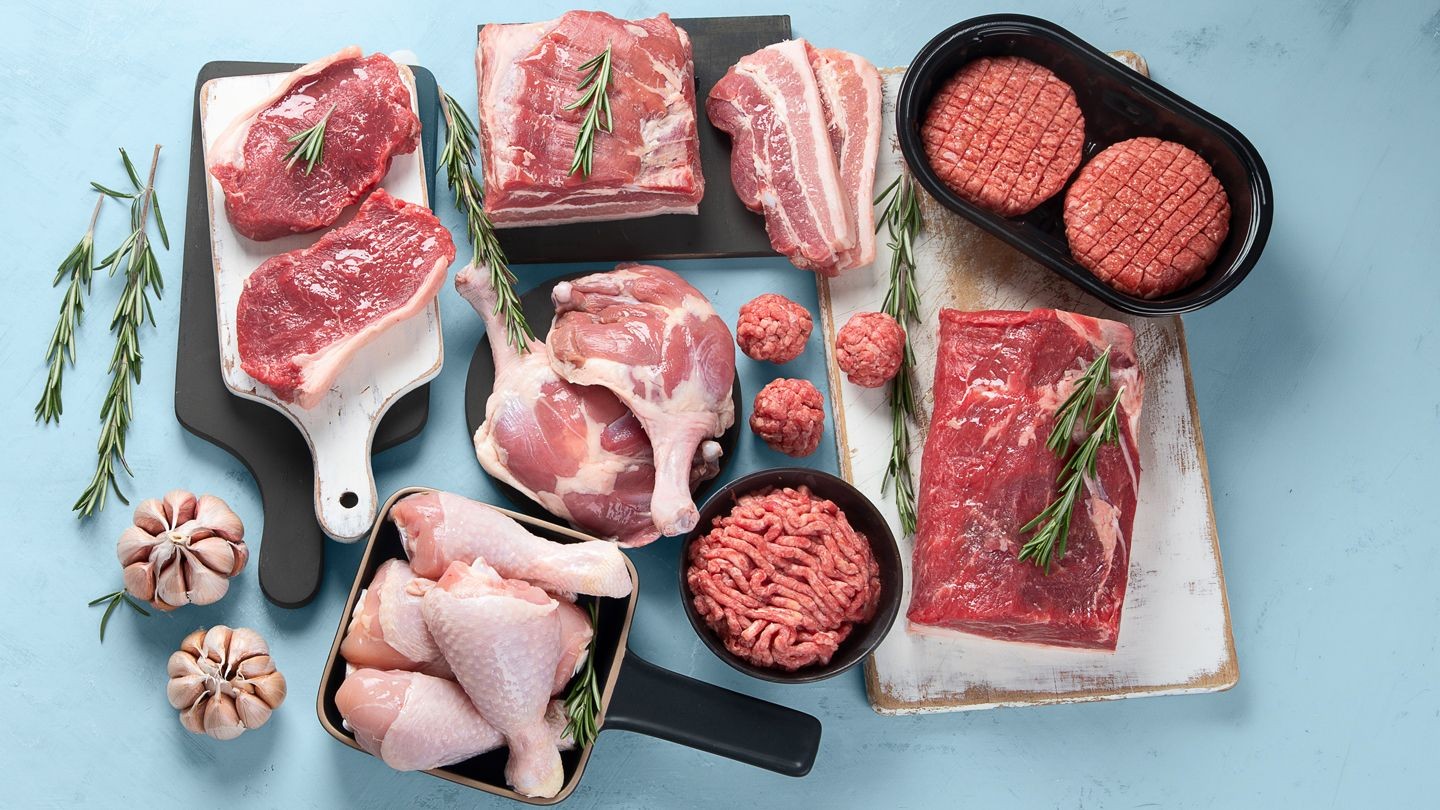
A recent study from Sweden suggests that higher meat intake, specifically unprocessed varieties, may offer cognitive benefits for individuals genetically predisposed to Alzheimer’s disease. Researchers tracked over 2,100 adults aged 60+ for up to 15 years, finding that those carrying the APOE4 gene – a known risk factor for Alzheimer’s – experienced less cognitive decline when consuming more unprocessed meat. However, the study also showed that processed meats were linked to increased dementia risk. This highlights a crucial distinction: the way meat is prepared can significantly impact brain health.
The Genetic Connection: APOE4 and Alzheimer’s
The APOE4 gene variant elevates Alzheimer’s risk. Roughly 25-30% of the population carries at least one copy, facing a 3-4x higher risk than those with two copies of the more common APOE3 gene. Individuals with two copies of APOE4 have over a 10x greater likelihood of developing the disease. Despite these elevated risks, genetic predisposition isn’t a guaranteed outcome. Lifestyle factors, including diet, play a vital role.
Study Findings: Unprocessed vs. Processed Meat
The research categorized meat as either unprocessed (beef, pork, chicken, turkey) or processed (deli meats, bacon, sausage). Participants were divided into groups based on intake, with the highest consuming up to 4.5 ounces daily. The results showed a clear divergence:
- High unprocessed meat consumption was associated with slower cognitive decline among APOE4 carriers.
- High processed meat consumption increased dementia risk, regardless of genetic predisposition.
Experts suggest nitrates and other additives in processed meats may be harmful to brain health, while unprocessed red meat offers nutritional benefits. The study did not recommend a ketogenic or carnivore diet; the highest meat-eating group consumed moderate amounts.
Limitations and Caveats
The study was observational, meaning researchers tracked outcomes without intervention. This prevents establishing direct causation. Self-reported food diaries introduce potential inaccuracies, and unaccounted lifestyle factors may influence results. Experts note that the findings don’t align with all previous research on diet and dementia. One possible explanation: higher meat intake in the study correlated with improved cholesterol levels and fat ratios, both tied to brain health.
Expert Recommendations: Beyond Meat
Regardless of genetic risk, experts emphasize broader health strategies to delay Alzheimer’s onset:
- Manage cardiovascular health (blood pressure, cholesterol).
- Engage in regular physical activity.
- Maintain social and cognitive engagement.
The MIND diet—rich in leafy greens, berries, whole grains, fish, poultry, nuts, and olive oil—is recommended, with limitations on red meat, butter, cheese, sweets, and fried foods.
In conclusion, the Swedish study suggests unprocessed meat may offer cognitive protection for those with Alzheimer’s risk genes. However, it underscores the importance of diet quality, lifestyle factors, and a holistic approach to brain health. More research is needed to confirm these findings and fully understand the complex interplay between genetics, nutrition, and dementia prevention.