The raw vegan diet is a highly restrictive eating plan that combines the principles of raw foodism and veganism. Unlike standard veganism, which excludes all animal products, this diet also prohibits cooking food beyond 118°F (48°C). This means all meals are consumed cold, room temperature, or lukewarm. While proponents claim it maximizes nutrient retention, dietitians generally advise against it due to the high risk of nutrient deficiencies and sustainability issues.
What Does It Entail?
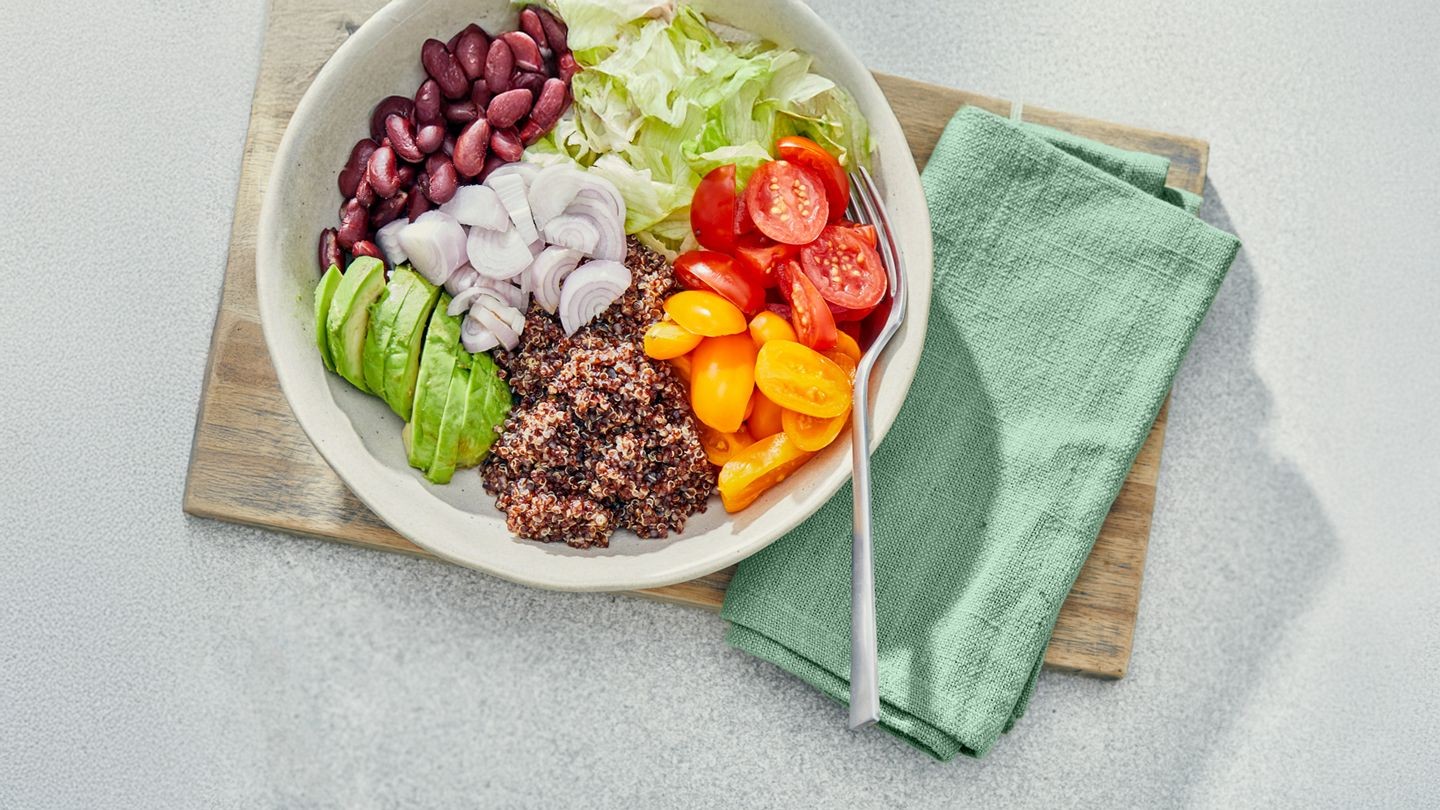
A raw vegan diet consists primarily of fruits, vegetables, sprouted grains and legumes, raw nuts and seeds, and cold-pressed oils. All foods must be uncooked to preserve enzymes and vitamins that some believe are destroyed by heat.
Foods included: raw fruits and vegetables, soaked/sprouted grains (quinoa, wheat berries), sprouted legumes (lentils), raw nuts and seeds, raw nut butters, and certain cold-pressed oils.
Foods excluded: cooked grains (rice), meat, cheese, eggs, dairy, pasta, coffee, ultra-processed foods, and even honey.
Why Choose Raw Veganism?
Individuals may adopt this diet for health, spiritual, or environmental reasons. The core idea is that cooking degrades essential nutrients. For example, high-heat cooking methods like steaming can reduce vitamin C content in vegetables. By prioritizing uncooked foods, the diet aims to provide high levels of vitamins, minerals, and antioxidants, potentially reducing the risk of heart disease, obesity, and some cancers.
However, this belief is not universally supported by scientific evidence. While raw foods do retain certain nutrients better, cooking also unlocks others (like lycopene in tomatoes) and makes some foods more digestible.
Potential Benefits and Drawbacks
Potential Benefits:
- Weight loss: Restricting calories and processed foods can lead to initial weight loss, though this is often unsustainable.
- Antioxidant intake: Raw vegan diets are rich in polyphenols, vitamin C, and carotenoids, which may reduce chronic disease risk.
- Improved biomarkers: Some studies suggest lower cholesterol, triglycerides, and blood pressure.
Potential Drawbacks:
- Nutrient deficiencies: Strict exclusion of cooked foods can lead to deficiencies in vitamin B12, vitamin D, calcium, iron, zinc, and iodine.
- Sustainability: The diet is highly restrictive, making long-term adherence difficult.
- Social limitations: Finding raw vegan options when dining out is challenging.
- Digestibility issues: Some raw foods are harder to digest than cooked alternatives.
Expert Opinion
Registered dietitians generally do not recommend raw veganism due to its restrictive nature and potential for nutrient imbalances. Summer Yule, RDN, suggests consulting a dietitian to plan meals carefully if one is determined to follow the diet.
“I’d recommend checking in with a registered dietitian if you are interested in this diet,” Yule says. “Dietitians can help create a diet plan with you to ensure that you are getting all of the essential nutrients.”
The Bottom Line
The raw vegan diet is a challenging and potentially unsustainable eating plan. While it may offer some benefits, the risk of nutrient deficiencies and the difficulty of long-term adherence make it unsuitable for most people. Prioritizing a balanced diet rich in whole foods, both raw and cooked, remains the most effective approach to long-term health.