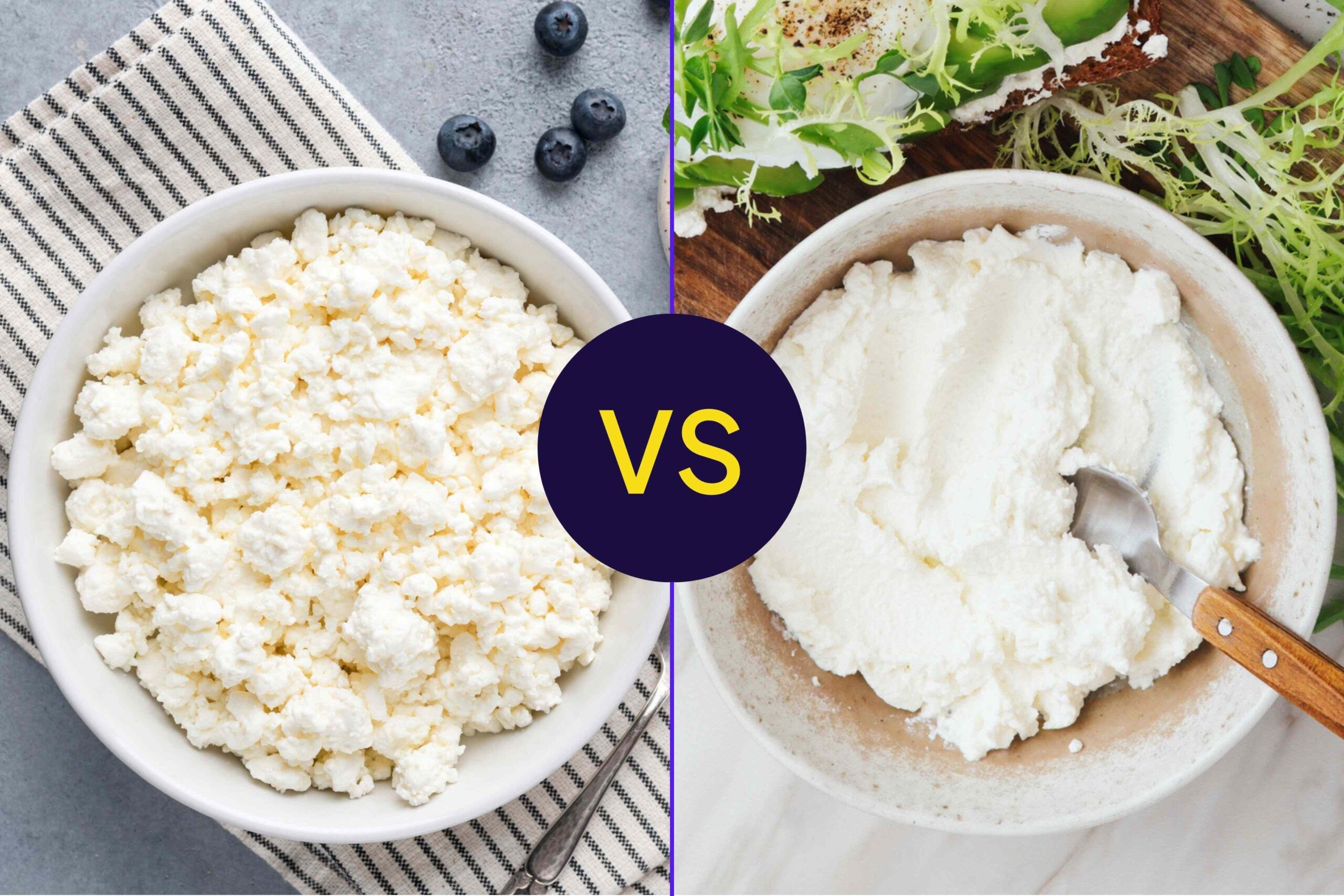
Ricotta and cottage cheese are both popular soft cheeses, often used interchangeably in recipes. However, they differ significantly in their nutritional profiles, particularly when it comes to calcium, sodium, fat, and calorie content. Understanding these differences is key for those watching their intake of these nutrients.
Nutritional Comparison: Key Differences
Both cheeses provide a solid dose of protein, selenium, vitamin A, and phosphorus. However, a half-cup serving reveals clear distinctions:
- Ricotta: Generally higher in calories and fat than cottage cheese, it also tends to contain more calcium.
- Cottage Cheese: Contains significantly more sodium. It is lower in fat than ricotta, making it a potentially better choice for those on low-fat diets.
Sodium and Calcium Content Explained
The higher sodium content in cottage cheese is due to the brining process used in its production. This can be a concern for individuals monitoring their salt intake. Meanwhile, ricotta’s higher calcium levels are beneficial for bone health, but the trade-off is a richer, more calorie-dense profile.
Choosing Between the Two: What Matters Most?
The “better” cheese depends entirely on your dietary needs:
- If you prioritize a lower-fat option, cottage cheese is the clear winner.
- For those seeking higher calcium content, ricotta offers a greater benefit.
- If sodium intake is a primary concern, be mindful of the higher levels in cottage cheese.
Ultimately, both cheeses can be part of a balanced diet. Understanding their nutritional differences allows consumers to make informed choices aligned with their health goals.