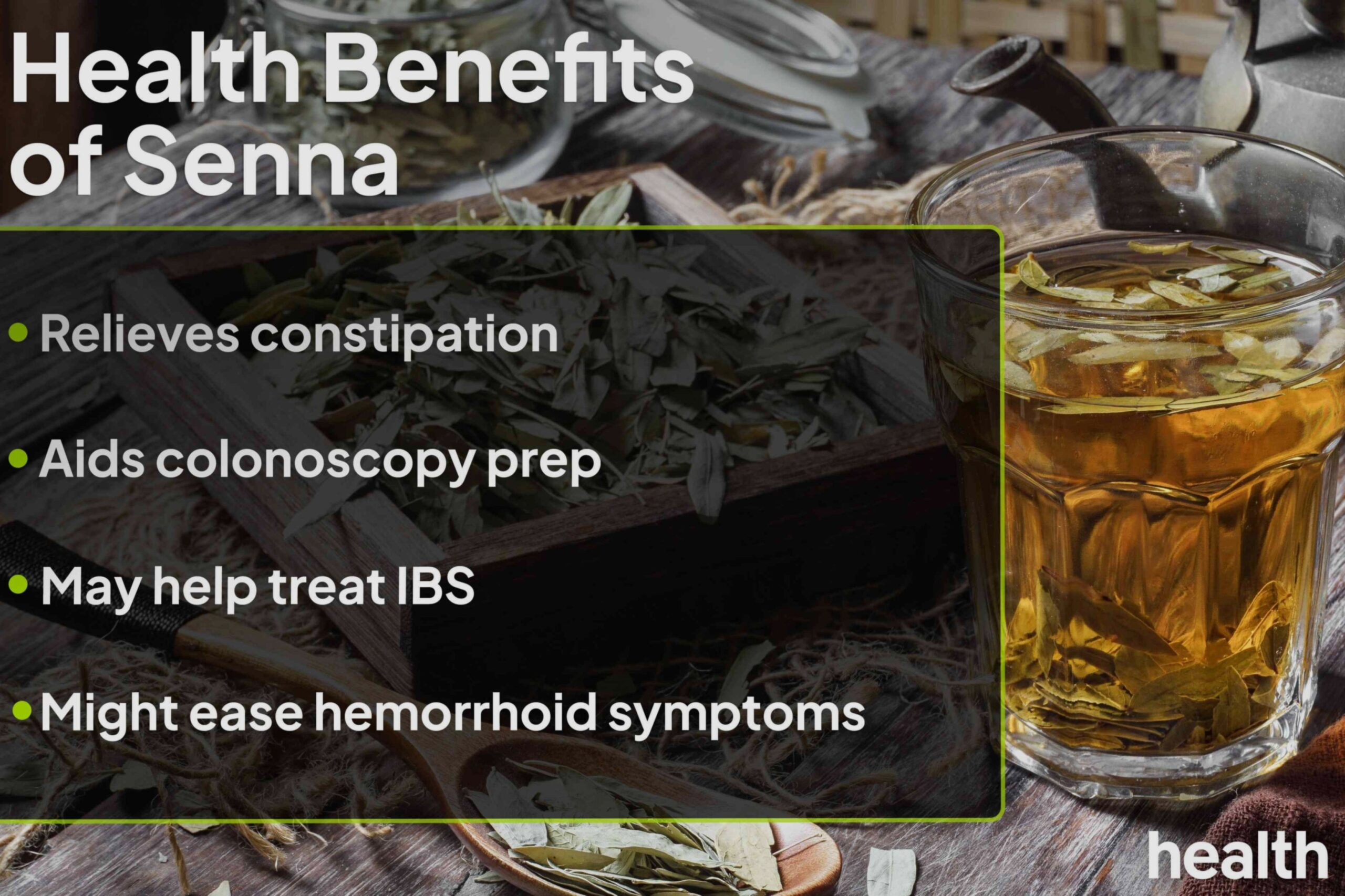
Senna (Senna alexandrina ) is a well-established herbal remedy, primarily known for its effective laxative properties. However, recent research suggests its benefits extend beyond simple constipation relief, offering potential applications in skin health, diabetes management, and even weight support. This article breaks down the science-backed ways senna can improve your health, alongside essential safety guidelines.
1. Clinically Proven Constipation Relief
Senna stands as a medically approved short-term solution for constipation. It operates as a stimulant laxative, triggering intestinal contractions to facilitate bowel movements. Medical guidelines recommend senna-based products for chronic idiopathic constipation (long-term, unexplained constipation) and opioid-induced constipation.
2. Effective Colonoscopy and Surgical Preparation
Doctors frequently advise using senna to clear the bowels before procedures like colonoscopies. The plant’s natural anthraquinones increase intestinal fluids, softening stool for complete evacuation. Studies confirm its safety for both adults and children in this context, sometimes combined with probiotics for enhanced results.
3. Potential for Irritable Bowel Syndrome (IBS) Management
Emerging research suggests senna may alleviate symptoms of IBS, particularly IBS-C (constipation-predominant IBS). Its anti-inflammatory properties help reduce digestive discomfort and cramping. While promising, larger studies are needed to fully confirm its efficacy as an IBS treatment.
4. Soothing Hemorrhoid Discomfort
Senna’s stool-softening effects can indirectly ease hemorrhoid symptoms. By preventing hard stools, it reduces strain and irritation around the rectum. Though older studies hint at healing properties, further research is necessary to validate this potential benefit.
5. Preliminary Evidence for Diabetes Support
Traditional medicine has long used senna to potentially lower blood sugar in people with diabetes. A small study showed improvements in red blood cell glucose levels after consistent senna tea consumption. However, large-scale clinical trials are essential before senna can be reliably recommended for diabetes management.
6. Weight Loss: Temporary Water Reduction
Senna’s laxative action can lead to short-term water weight loss. Some theorize it supports metabolism by promoting toxin removal, but human clinical trials are lacking. This makes senna an unreliable weight-loss tactic at this stage.
7. Antibacterial and Antifungal Applications
Studies indicate senna possesses antibacterial and antifungal properties. Topical applications may help with skin infections, acne, and inflammatory conditions like eczema. Historical usage across cultures supports these claims, but more research is needed to confirm them.
How to Use Senna Safely
Senna is available in powder, capsule, and tea form. Capsules should be swallowed whole with water. Effects typically occur within 6-12 hours; taking it before bed may induce morning bowel movements.
Dosage: Most adults take 17 mg daily (one to two doses), not exceeding 10 days without medical advice. Common supplements contain 8-9 mg per capsule.
Who Should Avoid Senna?
While generally safe for adults and children over two, senna may be unsuitable for individuals with:
- Inflammatory bowel disease (Crohn’s, ulcerative colitis)
- Appendicitis
- Heart, kidney, or liver disease
- Dehydration
Consult a healthcare provider if you have pre-existing conditions or are pregnant/breastfeeding.
Drug Interactions to Be Aware Of
Senna can interact with:
- Diuretics: May cause potassium imbalance.
- Estrogen: Could reduce birth control effectiveness.
- Heart medications: Potential for low potassium and increased bleeding risk.
- Other laxatives: May compound effects, leading to dehydration.
Take senna at least two hours before or after other medications to minimize interactions.
Risks of Overuse
Long-term or high-dose senna use can lead to dependence, potassium depletion, liver toxicity, and other adverse effects. Side effects like stomach cramps, diarrhea, nausea, and vomiting are common with overuse.
Senna should be used short-term and as directed.
In conclusion, senna is a powerful herbal remedy that can effectively address constipation and offer a range of potential benefits when used responsibly. Always follow dosage guidelines, be aware of potential interactions, and consult a healthcare provider if you have any concerns.