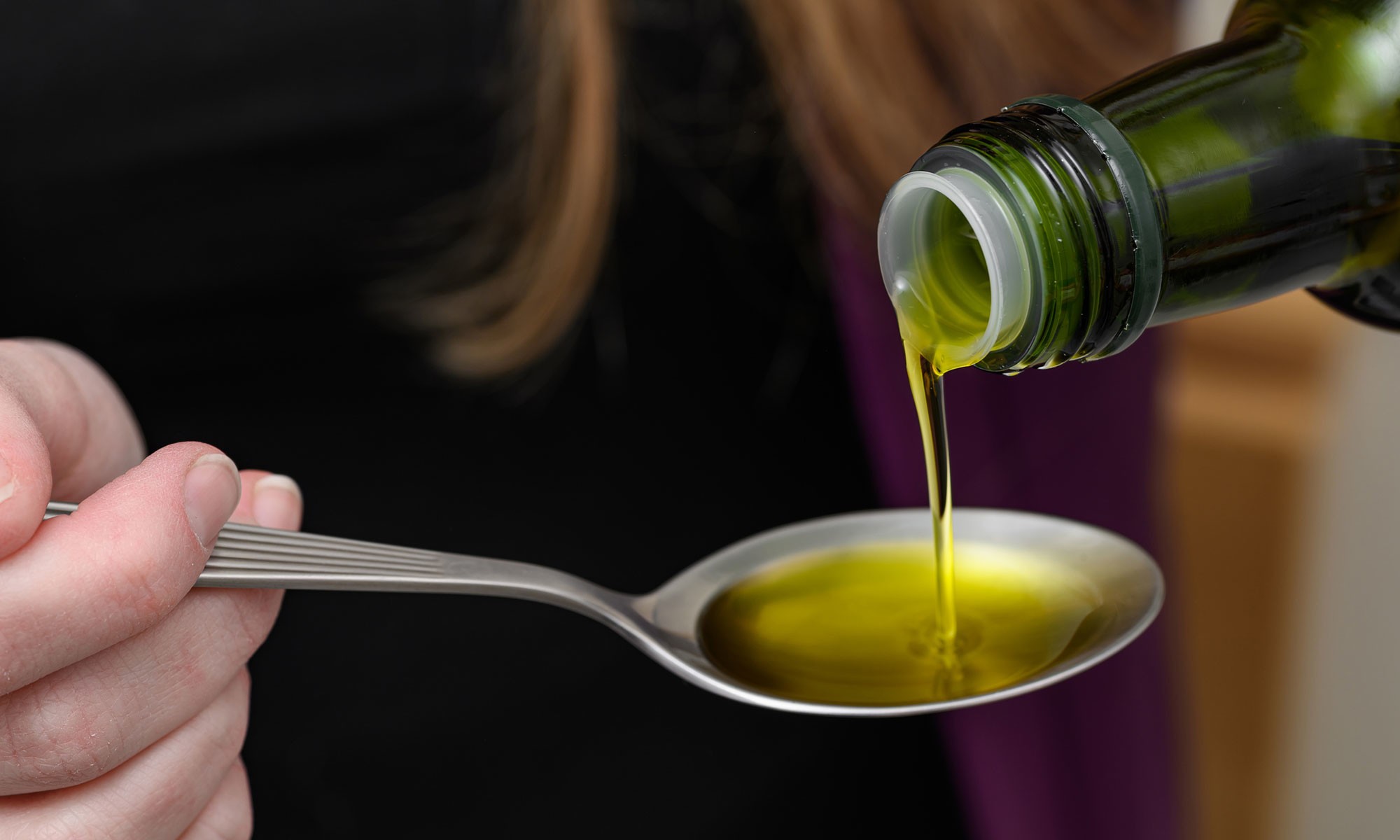
Olive oil has long been celebrated as a cornerstone of a healthy diet. Decades of nutritional research consistently link its consumption to improved cholesterol levels, lower blood pressure, and reduced systemic inflammation. However, while most people incorporate this “liquid gold” into dressings or cooking, a growing trend involves consuming it directly—one spoonful at a time.
A Personal Approach to Preventative Health
For many, adopting a specific dietary habit is a response to personal health markers. Bahar Ayar, a professional who has maintained a daily olive oil ritual for 15 months, describes her motivation as a proactive measure against family health trends.
After blood tests indicated emerging concerns regarding thyroid health and general wellness, Ayar turned to healthy fats as a way to support her body’s internal functions. Because she follows a whole-foods diet and minimizes oil during cooking, consuming the oil straight became the most efficient way to increase her intake of essential fats without altering the flavor profiles of her meals.
Why It Works: Gut Health and Digestion
The anecdotal benefits reported by many—such as reduced stomach discomfort—are increasingly backed by scientific observation. Taking olive oil can act as a functional tool for digestive wellness in several ways:
- Microbiome Support: Extra virgin olive oil (EVOO) has been shown to encourage the growth of beneficial bacteria, specifically Lactobacillus and Bifidobacterium.
- Symptom Relief: Clinical studies suggest that diets enriched with EVOO can help alleviate common digestive issues, including bloating and the sensation of incomplete digestion.
- Nutrient Absorption: As a healthy fat, olive oil aids in the absorption of fat-soluble vitamins, which is crucial for overall metabolic health.
How to Implement the Habit
If you are looking to integrate this habit into your routine, timing and dosage are key.
1. Timing Matters
Ayar suggests taking the oil before a meal (typically lunch or dinner). Consuming it on an empty stomach ensures it doesn’t contribute to a feeling of excessive fullness after eating, allowing it to prepare the digestive system for the meal ahead.
2. The Ideal Dosage
You do not need large quantities to see results. Research indicates that consuming one to two tablespoons of extra virgin olive oil daily is sufficient to reap significant health benefits.
3. Alternative Methods
Direct consumption isn’t for everyone. If the idea of a plain spoonful is unappealing, you can achieve similar results by integrating the oil into your existing culinary habits:
– Drizzling it over roasted vegetables.
– Whisking it into vinaigrettes for salads.
– Using it as a finishing oil for soups, grain bowls, or pasta.
Key Takeaway: Whether taken by the spoonful or drizzled over a meal, consistent daily intake of extra virgin olive oil can serve as a simple, effective way to support gut health and long-term wellness.
Conclusion: Incorporating a daily dose of olive oil is a low-effort, high-reward dietary habit that supports digestion and metabolic health. Whether through direct consumption or culinary use, the key lies in the consistency of adding these healthy fats to your daily routine.