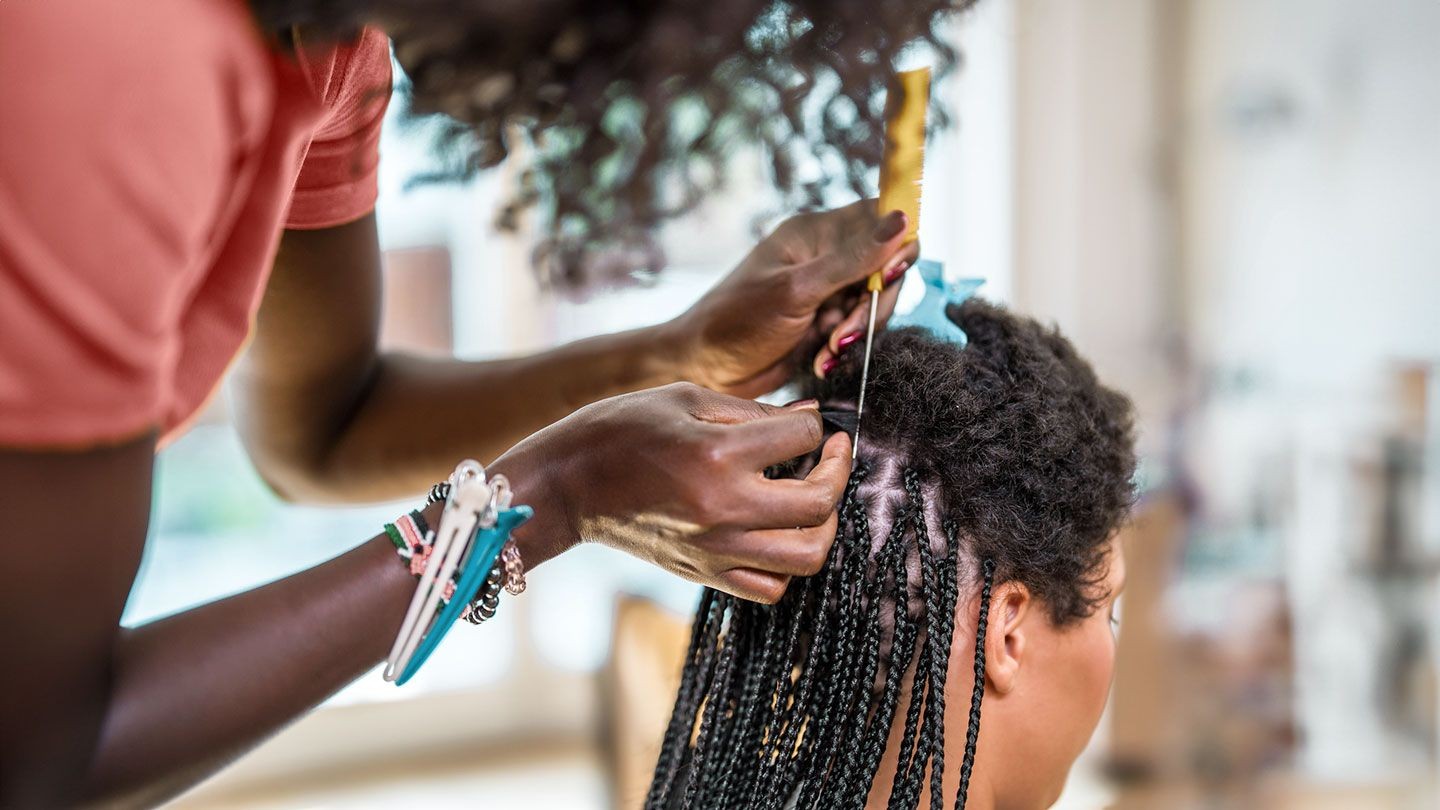
Millions of women rely on hair extensions for styling, but a new study reveals these products may contain a disturbing array of hazardous chemicals, including potential carcinogens and hormone disruptors. The findings raise serious questions about consumer safety, especially for Black women who disproportionately use these products.
Hidden Hazards in a Multi-Billion Dollar Industry
Researchers from the Silent Spring Institute analyzed 43 hair extension products (synthetic and human hair) purchased from major retailers. Their broad screening method detected 169 chemicals across samples, with all but two containing at least one hazardous substance. This isn’t just about synthetic fibers: harmful chemicals were also found in human hair extensions.
The study identified 48 chemicals on major hazard lists, including 12 linked to cancer, birth defects, or reproductive harm. Disturbingly, 17 chemicals associated with breast cancer were present in over three-quarters of the samples. Nearly 10% contained organotins, which can disrupt hormones and potentially cause cancer at levels exceeding EU safety thresholds. Other detected substances included flame retardants, phthalates, and pesticides.
Why This Matters: Cumulative Exposure and Disproportionate Risk
The study doesn’t prove that hair extensions cause cancer, but the chemical analyses confirm the potential for toxic effects. The real danger lies in cumulative exposure over time. Black women, who frequently wear extensions for extended periods, are at higher risk.
As Dr. Leandra Barnes (Stanford University) notes, extensions are often worn continuously for weeks, increasing exposure. They sit near the scalp, face, and neck, and are frequently heat-styled, allowing for both skin absorption and inhalation. Black women often start using these products at a young age and layer them with other chemical treatments (relaxers, dyes), making long-term effects even more concerning.
Lack of Transparency and Regulatory Gaps
The beauty industry operates with minimal transparency, especially regarding products marketed to Black women. The $14 billion hair extension market is projected to grow, yet ingredient disclosure remains largely voluntary. This lack of oversight places the health burden on consumers, raising equity and environmental justice concerns.
“These findings highlight how the beauty industry… has been allowed to operate with limited transparency,” says Dr. Barnes.
Reducing Harm: What Consumers Can Do (For Now)
While complete safety is impossible given current industry practices, harm reduction is possible:
- Choose toxin-free options: The study identified two products with no harmful chemicals.
- Reduce frequency and duration: Wear extensions less often and for shorter periods.
- Wash before use: Remove residual chemicals before installation.
- Avoid irritated skin: Don’t install extensions on damaged or inflamed scalps.
- Minimize heat styling: Reduce exposure to high temperatures.
If sores, rashes, or itching occur after installation, remove the extensions immediately.
The Need for Change
The burden shouldn’t be on consumers to mitigate risks. Mandatory ingredient disclosure, thorough testing, and clear labeling are essential. Until then, the health of millions remains at stake. These findings underscore the urgent need for stronger regulation and full transparency so consumers can make informed choices about products they use on their bodies.