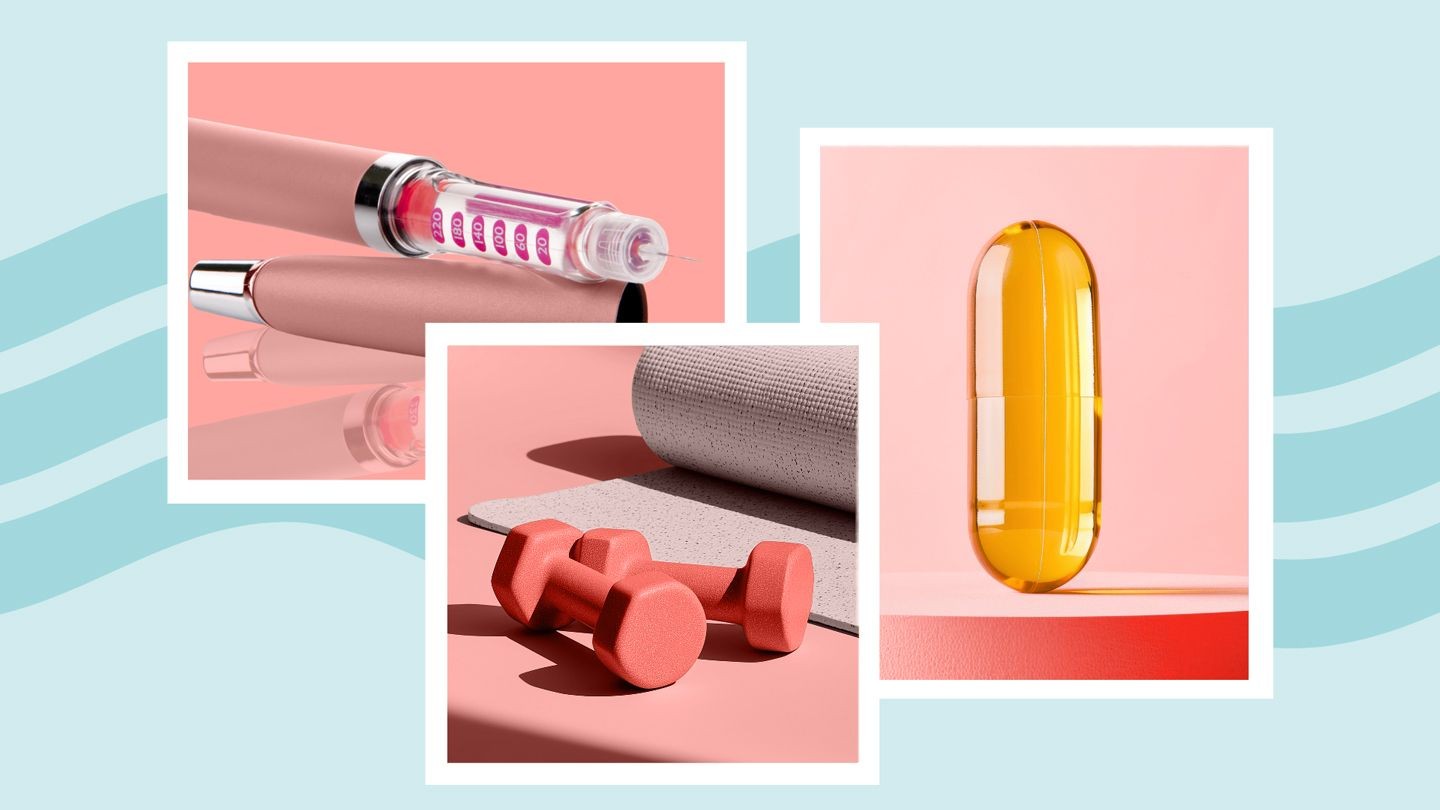
An osteoporosis-related fracture is rarely a one-off event. Medical experts warn that a single break is often a “red flag” indicating that bone density has reached a critical low, significantly increasing the risk of future fractures.
Research suggests a “clustering” effect: the risk of a second break is highest in the two to three years immediately following the initial injury. However, this period also represents a vital window of opportunity. By taking proactive steps in nutrition, medication, and lifestyle, patients can interrupt this cycle and rebuild bone strength.
🥗 Fueling Bone Regeneration Through Nutrition
Healing a fracture requires more than just time; it requires the specific chemical building blocks your body needs to rebuild skeletal tissue.
The Essential Duo: Calcium and Vitamin D
- Calcium: Since 99% of your body’s calcium is stored in your bones, a deficiency forces the body to “leach” calcium from the skeleton to support vital functions like heart and muscle movement.
- Target Intake: 1,000 mg daily for adults aged 19–50; 1,200 mg for women over 50 and men over 70.
- Sources: Dairy, leafy greens, broccoli, tofu, and fortified plant milks.
- Vitamin D: This vitamin acts as the “key” that unlocks calcium absorption. Without adequate Vitamin D, even a high-calcium diet may be ineffective.
- Target Intake: 400–800 IU for those under 50; 800–1,000 IU for those 50 and older.
- Sources: Fatty fish (salmon, sardines), egg yolks, and sunlight.
Supporting Nutrients
Beyond the basics, a bone-healthy diet should include:
– Protein: For structural repair (meat, beans, tofu).
– Vitamin K: Found in dark leafy greens; essential for bone metabolism.
– Magnesium & Phosphorus: Critical for bone density (found in nuts, seeds, and whole grains).
– Vitamin C: Supports collagen production (found in citrus and berries).
💊 Medical Interventions: Slowing Loss and Building Mass
If lifestyle changes aren’t enough, doctors often prescribe medications to manage bone density. These generally fall into two categories:
- Antiresorptive Medications: These drugs work by slowing down the rate at which bone is broken down. This allows the body’s natural regeneration process to catch up, effectively increasing density. Common examples include bisphosphonates (like Fosamax) and injections like Prolia.
- Anabolic Therapies: These are more aggressive treatments designed to stimulate the formation of new bone. Because they work faster and more intensely, they are typically reserved for patients at the highest risk of fracture. Examples include Forteo and Evenity.
🏃 Physical Activity: Stressing the Bone for Strength
Exercise is a double-edged sword: it must be vigorous enough to stimulate bone growth but controlled enough to prevent re-injury.
The Power of Weight-Bearing Exercise
When you perform weight-bearing activities, you put mild stress on your skeleton. This stress signals osteocytes (specialized bone cells) to maintain and strengthen the bone matrix.
* Recommended: Walking, low-impact aerobics, gardening, and gentle strength training.
* Focus on Balance: Exercises that improve coordination can prevent the falls that lead to fractures in the first place.
What to Avoid
Immediately following a fracture, high-impact activities can be dangerous. Avoid running, jumping, or high-intensity interval training (HIIT). Furthermore, avoid movements that require heavy bending or twisting at the waist, as these can pose a specific risk to the spine.
🏠 Fall-Proofing Your Home
Since many osteoporosis-related fractures occur during routine household activities, environmental safety is a critical line of defense.
- Clear the Path: Remove clutter and electrical cords from walking areas. Ensure rugs have non-slip backing.
- Light the Way: Use motion-sensor nightlights and illuminated light switches to prevent trips in the dark.
- Bathroom Safety: Install non-slip mats in the shower and consider adding grab bars or a shower chair to increase stability.
- Footwear Matters: Avoid walking in socks or loose slippers; opt for footwear with reliable traction.
The Bottom Line: Preventing a second fracture requires a multi-pronged strategy. By combining targeted nutrition, medical guidance, consistent low-impact exercise, and a safer home environment, you can move from a state of vulnerability to a state of proactive bone health.