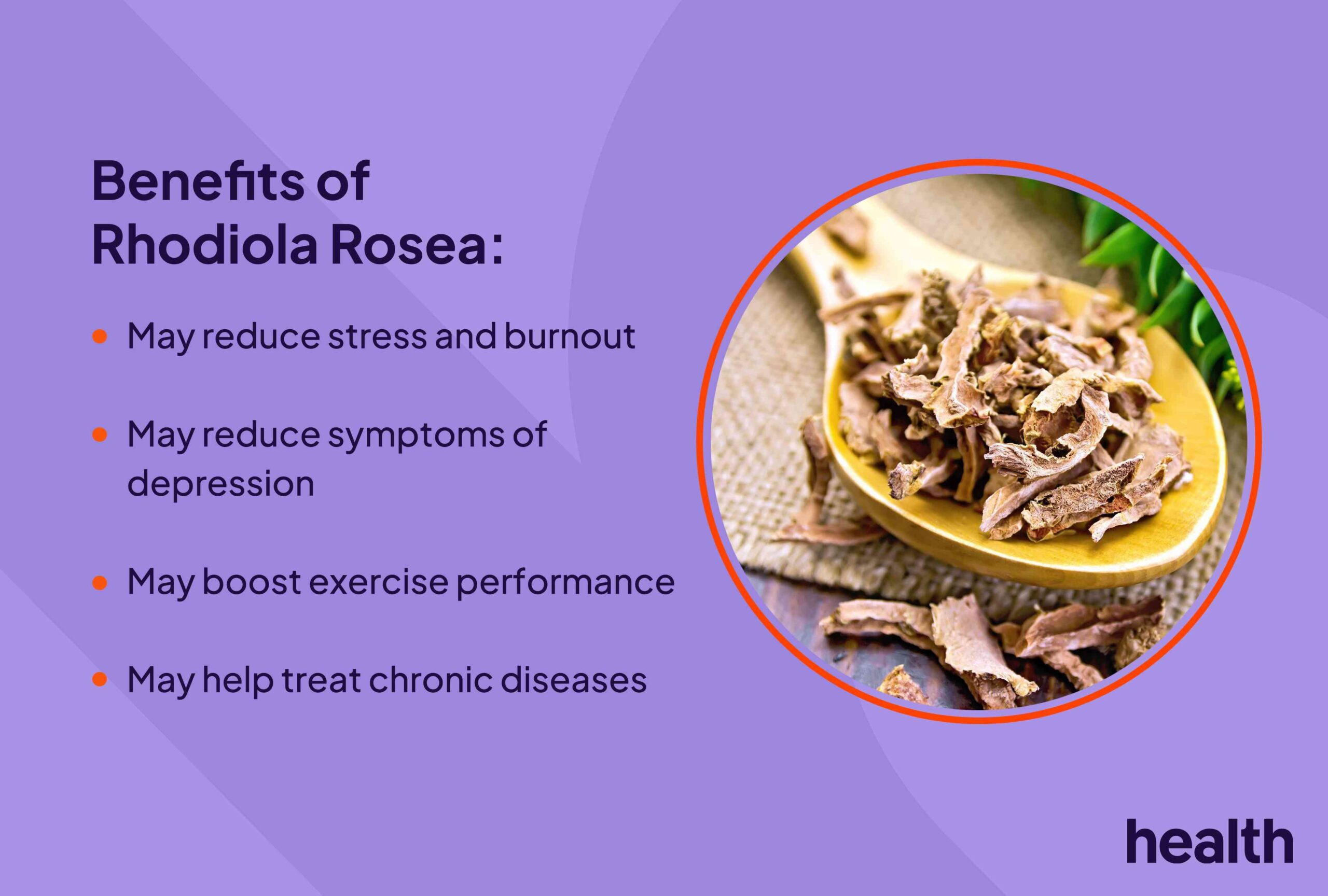
Rhodiola rosea, often called arctic root or golden root, is an adaptogenic herb gaining attention for its potential benefits in managing stress, boosting energy, and enhancing physical performance. While promising, the science is still evolving, and consumers should approach supplementation with informed awareness.
What Rhodiola Does: Stress, Fatigue, and Beyond
The core appeal of rhodiola lies in its ability to help the body adapt to stressors. Chronic stress isn’t just psychological; it impacts physical health, work productivity, and relationships. Rhodiola may modulate stress hormone release and improve cellular energy, potentially mitigating these effects.
Research suggests rhodiola can improve symptoms of stress and fatigue in as little as a week with dosages around 400mg daily. Studies have also found benefits in cognitive function and physical endurance for students supplementing with 50-660mg per day.
Mental Health: Depression and Cognitive Decline
Preliminary studies indicate rhodiola may ease symptoms of burnout, which is closely linked to depression. In one trial, rhodiola extract reduced depressive symptoms after 12 weeks, though it wasn’t as potent as standard antidepressants like sertraline but was better tolerated.
The herb contains compounds that reduce oxidative stress, potentially protecting brain cells from age-related decline. Alzheimer’s disease and other neurological disorders are linked to oxidative damage, making this a key area of interest.
Physical Performance and Metabolic Health
Rhodiola may improve exercise performance by reducing muscle damage, pain, and oxidative stress after intense activity. A 2022 review supports these findings, highlighting improved explosive power.
Emerging research suggests a role in diabetes management. Animal studies show rhodiola compounds protect insulin-producing beta cells, though human trials are lacking.
Anticancer Potential: Early Research
Test-tube studies suggest rhodiola compounds may inhibit the growth of certain cancer cells, including lung, colorectal, bladder, and breast cancer. These findings are preliminary and do not confirm effectiveness in humans.
How to Use Rhodiola: Dosage and Forms
Rhodiola is available in capsules, tablets, extracts, powders, teas, and tinctures. Effective dosages studied range from 400-600mg daily, with some studies using up to 1500mg for athletic performance. Always consult a doctor before starting supplementation.
Safety and Interactions
Rhodiola is generally safe, but potential risks include allergic reactions, worsening of autoimmune diseases, and interactions with medications.
- CYP2C9 inhibitors: Rhodiola may interfere with drugs metabolized by this enzyme, including warfarin and phenytoin.
- Serotonergic drugs: Combining rhodiola with antidepressants like paroxetine could lead to serotonin toxicity.
- Stimulants: Rhodiola may amplify the effects of ADHD medications.
People with bipolar disorder, pregnant or breastfeeding women, and those with autoimmune conditions should avoid rhodiola without medical supervision.
Sourcing and Sustainability
Rhodiola grows in cold, mountainous regions of Europe and Asia. Overharvesting is a concern, so sourcing from reputable suppliers is crucial. Look for products with transparent origins and sustainable practices.
Bottom Line
Rhodiola shows promise for stress management, cognitive support, and physical performance, but more research is needed to confirm its long-term effects. Approach supplementation cautiously, with professional guidance, and prioritize safety by considering potential drug interactions and individual health conditions.