Chronic inflammation is linked to a wide range of health problems, from heart disease and diabetes to autoimmune disorders and even premature death. Research consistently shows that dietary choices play a pivotal role in managing inflammation levels in the body. This article examines the latest evidence on how to build an effective anti-inflammatory diet, moving beyond vague recommendations to focus on specific foods and dietary patterns backed by clinical trials.
The Biomarker Connection: Why Inflammation Matters
Inflammation isn’t just a buzzword; it’s a measurable biological process. Elevated levels of inflammatory biomarkers like C-reactive protein (CRP) and interleukin-6 (IL-6) are strong predictors of mortality risk. Studies show that high CRP levels can increase premature death risk by 42%, while high IL-6 may elevate it by 49%. These numbers aren’t arbitrary; they demonstrate the direct link between chronic inflammation and lifespan.
The Power of Berries: Attenuating Inflammatory Spikes
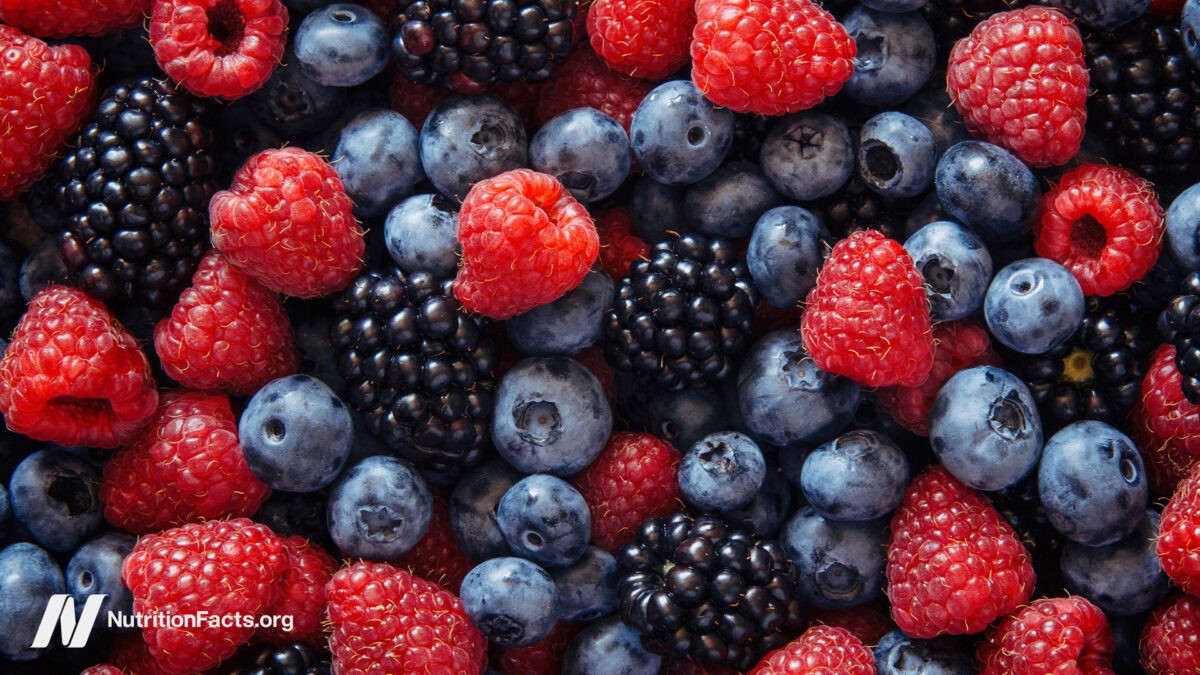
One of the most straightforward ways to combat inflammation is through strategic food choices. Research demonstrates that adding just one cup of blueberries to a high-fat, high-glycemic meal significantly reduces IL-6 levels. Similarly, two cups of raspberries blended into a smoothie can effectively counter the inflammatory effects of processed foods like eggs, white bread, and sausage. Bananas, in contrast, offer minimal protection against these dietary spikes.
The key lies in anthocyanins – the pigments that give berries their vibrant colors. Dozens of randomized controlled trials confirm their anti-inflammatory properties, with studies showing that pomegranates also contribute to long-term inflammation reduction.
Spices as Allies: Turmeric, Garlic, and Ginger
Beyond berries, certain spices possess potent anti-inflammatory effects. One teaspoon of turmeric daily significantly lowers IL-6 levels, while garlic and ginger powders (half to one and a half teaspoons) yield similar results. These findings highlight the benefits of incorporating whole spices into meals rather than relying on isolated supplements, which have shown limited efficacy in studies.
The Plant-Based Advantage: Beyond the Mediterranean Diet
While the Mediterranean diet is often touted for its health benefits, studies suggest that a fully plant-based diet is far more effective at combating inflammation. A landmark study, the New DIETs trial, compared omnivorous, vegan, vegetarian, pesco-vegetarian, and semi-vegetarian diets. Results showed that only the vegan diet resulted in significant reductions in the Dietary Inflammatory Index (DII) scores—a measure of overall dietary inflammation.
The key takeaway: simply reducing meat intake isn’t enough. Eliminating animal products and processed foods is essential for achieving substantial anti-inflammatory effects. Participants on plant-based diets experienced a 30% drop in CRP and a 20% drop in IL-6.
Avoiding Pitfalls: The Importance of Whole Foods
Not all plant-based choices are equal. Consuming processed plant foods like juice, white bread, or soda can actually increase inflammation. The most significant benefits come from a diet centered around whole, unprocessed plant foods. This approach can even lower lipoprotein(a) levels—a previously thought-to-be diet-resistant biomarker—along with LDL cholesterol and inflammatory markers.
Conclusion
The evidence is clear: an anti-inflammatory diet isn’t about restrictive rules but about making informed choices. Prioritizing berries, spices, and a fully plant-based approach provides the most potent protection against chronic inflammation and its associated health risks. Eliminating animal products and processed foods remains the most effective strategy for long-term inflammation control.