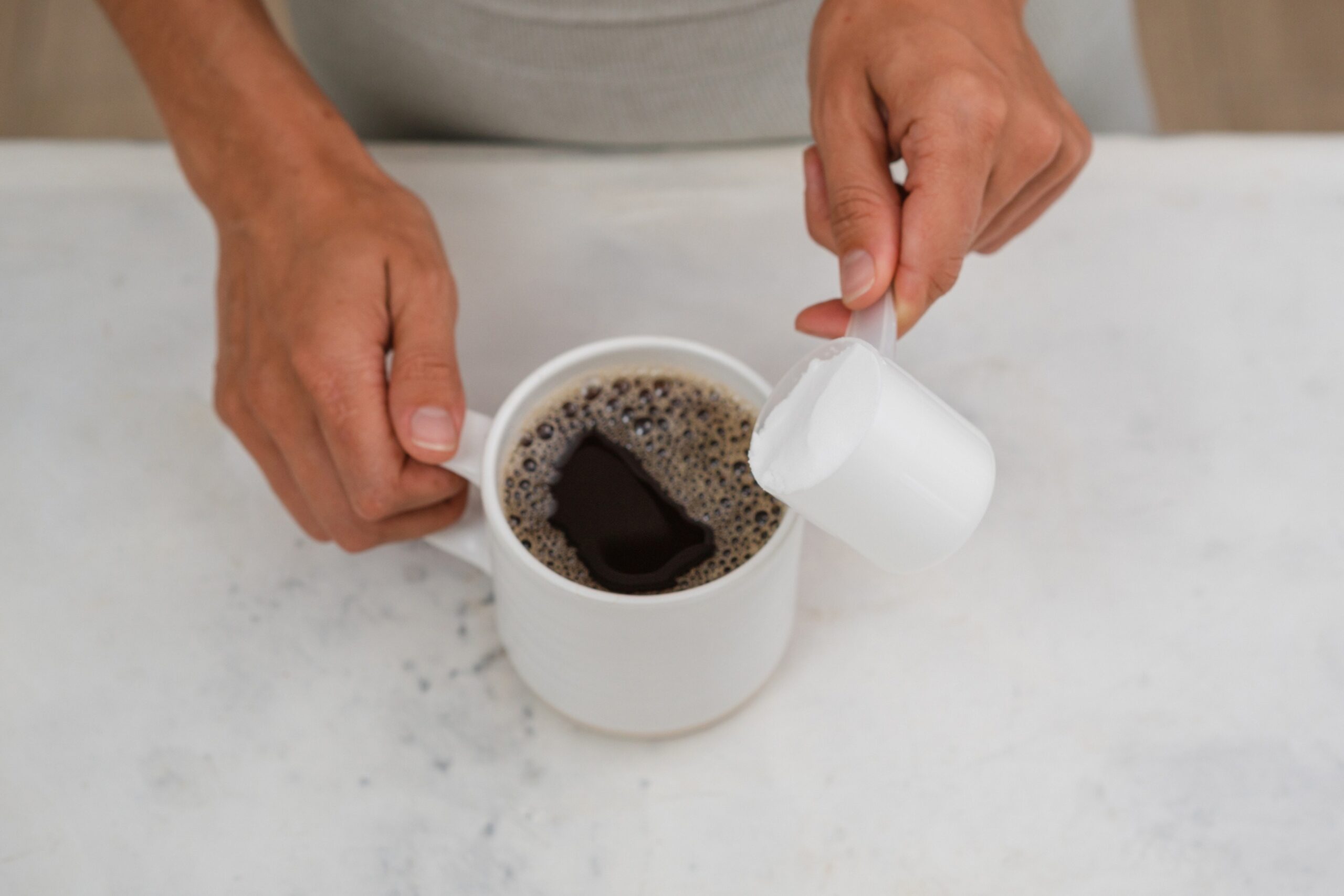
Adding protein powder to coffee, a practice now known as “proffee,” has gained traction as a convenient way to increase daily protein intake. To test its feasibility, a month-long experiment was conducted using three different protein sources: pea, whey, and a plant-based blend. The goal was to meet a 66-gram daily protein requirement without disrupting the usual coffee routine. The results? Mixed, but overall, the concept works – with caveats.
The Protein Challenge: Why It Matters
Many people, especially those with active lifestyles or dietary restrictions, struggle to consume enough protein. Protein is essential for muscle recovery, satiety, and overall health. Proffee offers a potential workaround by integrating protein directly into an existing habit: coffee consumption. This is particularly useful for those who dislike or struggle to prepare protein shakes or incorporate protein-rich foods into every meal.
Experiment Setup: Three Powders, Two Times
The experiment involved alternating protein powder in either morning or afternoon coffee. The three powders tested were:
- Pure Pea Protein (Ritual Essential Protein Daily Shake 18+): Vanilla-flavored, 20g protein per serving.
- Pure Whey Protein (Optimum Nutrition Gold Standard 100% Whey): Double Rich Chocolate, 24g protein per serving.
- Plant Protein Blend (Orgain Organic Unflavored Vegan Protein Powder): Pea, brown rice, and chia seed, 21g protein per serving.
The goal was to measure how proffee impacted satiety, energy levels, and blendability.
Week-by-Week Breakdown
Week 1: Pea Protein Struggles
Adding pea protein to morning coffee proved difficult. The powder clumped easily, even with shaking, and altered the coffee’s taste significantly. Despite masking hunger initially, the afternoon energy crash remained unchanged.
Week 2: Afternoon Pea Protein’s Impact
Switching to afternoon proffee with pea protein led to increased satiety, with one instance of forgetting to eat for several hours. Energy levels were still not noticeably boosted, but hunger was suppressed.
Week 3: Whey’s Blendability vs. Taste
Whey protein blended far more smoothly than pea protein. However, the strong chocolate flavor overpowered the coffee, making it less enjoyable. Some digestive discomfort was noted in one instance.
Week 4: Unflavored Plant Protein Fails
The unflavored plant protein blended well but had an undesirable herbal, almost salty taste that made the coffee undrinkable. No significant changes in hunger or energy were observed.
The Verdict: Convenience with Compromises
Proffee is a viable method for increasing protein intake, but it requires careful powder selection. Whey protein blended the easiest, though its flavor was intrusive. Pea protein was difficult to mix, while the unflavored plant protein was simply unpleasant. The experiment highlights that convenience comes with trade-offs: taste and consistency can be severely compromised.
Ultimately, while proffee can help meet protein goals, finding a palatable powder is crucial. The experiment suggests that further testing with different brands and flavors is warranted to optimize this unconventional method for protein supplementation.