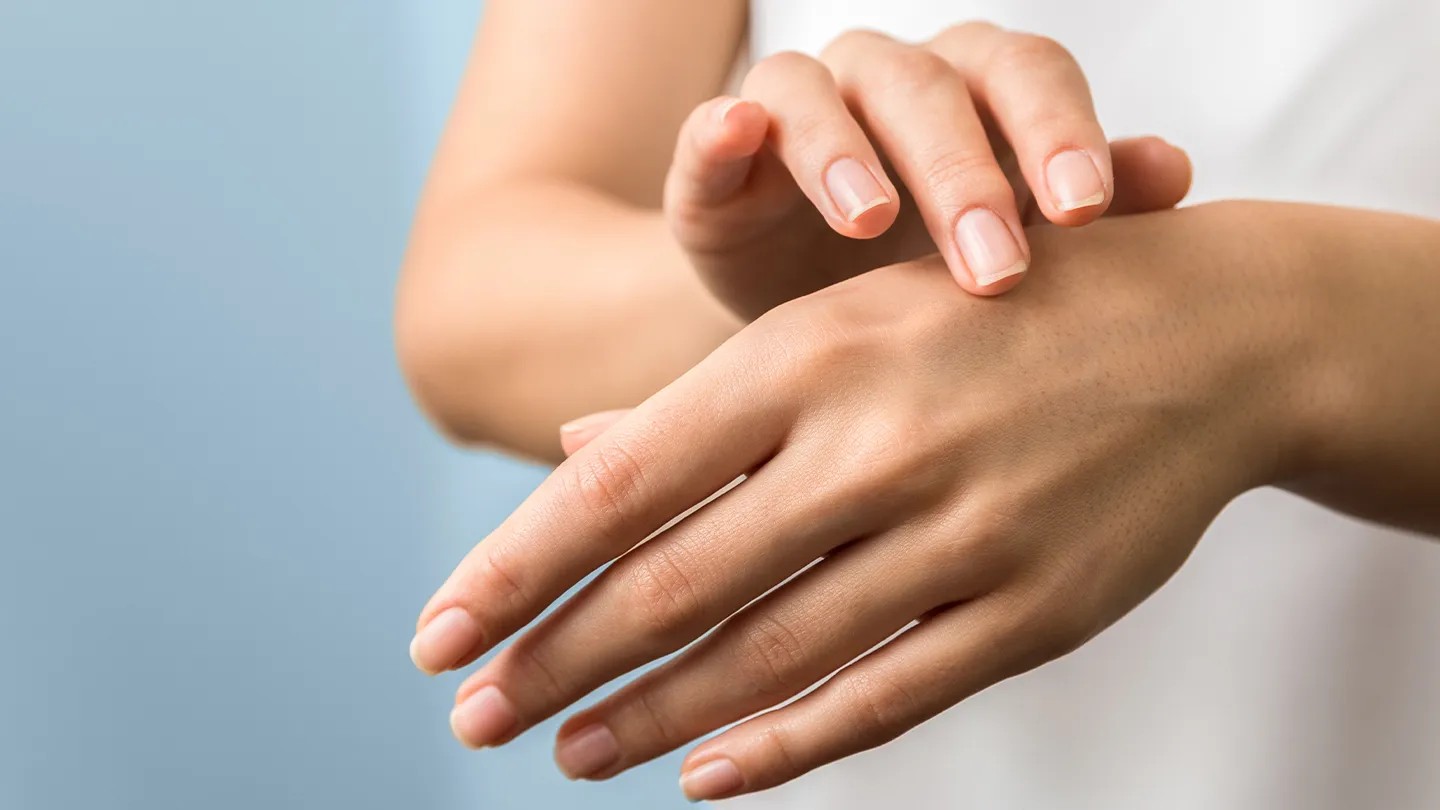
Your nails are more than just a cosmetic feature; they’re indicators of overall health. While manicures and polish can be enjoyable, understanding nail health – recognizing warning signs and maintaining proper care – is crucial. This guide breaks down what healthy nails look like, what changes to watch for, and when to consult a professional.
Why Nail Health Matters
Nails protect fingertips, enhance dexterity, and even reflect internal health conditions. Strong, healthy nails are about 0.5 millimeters thick, made of keratin, and supported by a complex structure including the nail bed, matrix (where growth originates), and cuticle. Changes in color, texture, or shape can signal infections, deficiencies, or even serious illnesses.
Key fact: Approximately half of nail disorders are linked to fungal infections (onychomycosis), while brittle nails affect roughly 20% of people, disproportionately women. Psoriasis affects 50-79% of those with the condition.
What Do Healthy Nails Look Like?
Healthy nails have a natural pinkish hue with a smooth, consistent surface.
- Color: A healthy nail is pinkish under the nail plate and white at the tips.
- Surface: Smooth, without horizontal ridges or pits. Vertical ridges are normal signs of aging.
- Thickness: Consistent around 0.5 mm. Sudden changes – thinning or thickening – are red flags.
Unhealthy Nail Signs: What to Watch For
Changes in nail appearance often indicate underlying issues.
- Discoloration: Yellow, blue, or green hues are abnormal. White or yellow chalky material under the nail suggests a fungal infection. Dark streaks (brown or black) could be melanoma.
- Brittleness: Nails that split easily (onychoschizia) may be due to infections, deficiencies, or harsh chemicals.
- Softness: Indicates trauma or underlying conditions like psoriasis.
- Peeling: Often caused by overexposure to water, harsh chemicals, or aggressive manicures.
- Separation (Onycholysis): The nail lifting from the bed could signal infection, injury, or systemic disease.
- Ridges: Horizontal ridges may indicate vitamin deficiencies or diabetes. Pitting suggests psoriasis or eczema.
How to Care for Your Nails: Dos and Don’ts
- Do: Keep nails clean, trimmed, and dry. Hygiene prevents infections.
- Don’t: Bite your nails. This damages the skin around them, increasing infection risk.
- Don’t: Overdo manicures. Frequent gel or acrylic use can weaken nails.
- Do: Moisturize regularly. Hydration prevents brittleness.
- Don’t: Expose nails to harsh chemicals without protection. Wear gloves during cleaning.
- Do: Monitor for changes. Be vigilant about discoloration, brittleness, or separation.
Supplements and Diet: What Works?
Supplements like biotin (vitamin B7) are often marketed for nail health, but scientific evidence is limited. Some studies suggest biotin may strengthen weak nails, but larger, controlled trials are needed. Collagen peptides, cysteine, and specific nutrient combinations may also help, but more research is crucial.
Important: Prioritize a balanced diet rich in fruits, vegetables, protein, and iron. If deficiencies are suspected, consult a healthcare professional for targeted supplementation.
When to See a Doctor
Unexplained nail changes warrant medical attention.
- Discoloration: Unusual colors (yellow, blue, green)
- Texture Changes: Thickening, thinning, or separation
- Grooves or Pits: Unexplained ridges or indentations
A dermatologist can diagnose the cause and recommend appropriate treatment.
Final Thoughts
Healthy nails are typically pinkish, smooth, and consistent in thickness. Deviations may indicate underlying health issues. Consistent care, including moisturizing, avoiding trauma, and monitoring for changes, is essential. Consult a dermatologist if you notice unexplained nail abnormalities.