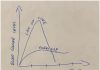
For years, the health effects of coffee and tea have been debated. But a recent, large-scale study published in JAMA provides strong evidence that moderate caffeine consumption may actually support brain health as we age. The research, tracking over 131,000 participants across decades, suggests that regular, moderate intake of caffeinated beverages is associated with a lower risk of dementia and slower cognitive decline.
Key Findings from the Research
Researchers from Mass General Brigham and Harvard found that individuals who consumed 2–3 cups of caffeinated coffee daily or 1–2 cups of caffeinated tea demonstrated better-preserved brain function compared to those who drank less or no caffeine. Notably, decaffeinated versions did not show the same protective effect, suggesting that caffeine itself – not simply the presence of coffee or tea – is the key component. This held true even when accounting for genetic predispositions to dementia, strengthening the correlation.
Why Caffeine Matters
The study does not prove that caffeine causes brain health benefits, but the results align with existing theories. Caffeine blocks adenosine receptors in the brain, which may protect against cellular damage linked to cognitive decline. Some research also suggests anti-inflammatory properties in caffeine could support long-term brain health. The lack of benefit from decaf confirms that caffeine is the primary driver of these effects.
Practical Implications for Daily Habits
If you already enjoy 2–3 cups of caffeinated coffee or 1–2 cups of caffeinated tea per day, this research suggests no need to change your routine. In fact, you might be proactively supporting your brain health.
However, several practical factors should be considered:
- Timing: Avoid caffeine close to bedtime, as poor sleep is independently linked to cognitive decline.
- Quality: Choose high-quality coffee and tea, and limit added sugars or artificial sweeteners.
- Individual Tolerance: Pay attention to how caffeine affects you ; reduce intake if you experience anxiety or jitters.
Limitations and Considerations
This was an observational study, meaning researchers identified correlations but cannot definitively prove causation. It’s possible that coffee/tea drinkers also engage in other healthy behaviors that contribute to brain health. Individual caffeine tolerance varies, and those with sensitivities or pre-existing conditions should consult a doctor. Finally, caffeine is just one component of overall cognitive health; exercise, sleep, diet, and social engagement also play crucial roles.
Ultimately, this study provides reassurance for moderate caffeine consumers. Enjoy your daily cup – your brain may very well thank you for it.