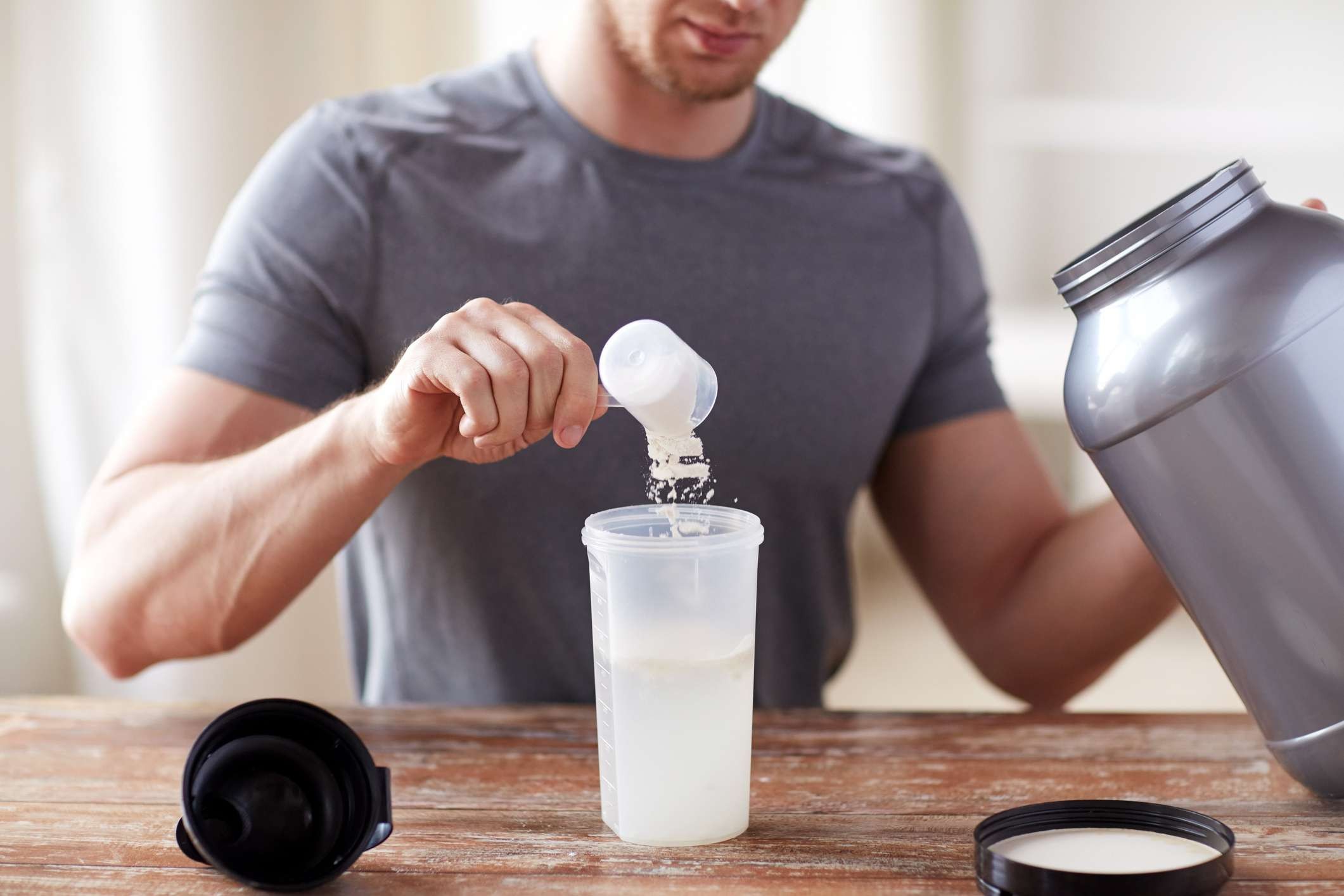
Creatine is one of the most researched and effective supplements for boosting muscle growth, athletic performance, and recovery. But when should you take it – before, after, or even on rest days? Here’s a breakdown of the current scientific understanding, stripped down to actionable advice.
What is Creatine and Why Does it Matter?
Creatine isn’t just for bodybuilders. It’s a naturally occurring molecule that fuels high-intensity activities like sprinting, lifting, and explosive movements. Your muscles store it, converting it into energy. Supplementing with creatine increases these stores, potentially improving strength, power, and recovery.
The key takeaway: Creatine enhances the immediate energy supply to your muscles when they need it most.
The Timing Debate: Before vs. After Exercise
The ideal timing of creatine intake remains a topic of debate. The logic behind taking it before exercise is simple: exercise increases blood flow, potentially maximizing creatine delivery to muscles. Blood creatine levels spike within 1-2 hours of ingestion and remain elevated for several hours.
However, research has yielded mixed results. Some studies show post-workout supplementation led to greater muscle gains in older adults, while others found no significant difference. A recent review of multiple studies suggests both pre- and post-workout creatine intake improve performance.
Bottom line: The difference appears minimal. Consistency matters more than precise timing. If you’re cycling for 40-90 minutes, taking it before or during your workout is likely just as effective as taking it afterward.
Creatine on Rest Days: Necessary or Not?
Traditionally, creatine supplementation was recommended on both training and rest days to maintain elevated muscle stores. However, recent studies challenge this. Research suggests that taking creatine only on training days can still deliver significant performance benefits, especially in younger adults.
The benefit: Reducing unnecessary intake saves money and may simplify your routine without compromising effectiveness.
Dosage: Loading vs. Maintenance
There are two main approaches to creatine dosing:
- Loading Phase: 20 grams per day for 5-7 days (or 0.3 g/kg of body weight) to rapidly saturate muscle creatine stores.
- Maintenance Phase: 3-5 grams per day (or 0.1 g/kg of muscle mass) to sustain elevated levels.
An alternative is a slow, steady approach: 3 grams daily for 28 days. This method avoids the loading phase but takes longer to achieve similar results.
For most people: A loading phase isn’t essential, but it can accelerate initial gains. A consistent 3-5 gram daily dose is more than sufficient for long-term benefits.
Optimizing Absorption: What to Take With Creatine?
Creatine absorption can be enhanced by combining it with carbohydrates or protein. These nutrients stimulate insulin release, which may help drive creatine into muscle cells. Beta-alanine (another popular supplement) may also synergize with creatine, but caffeine’s interaction is less clear – some studies suggest it may reduce creatine effectiveness.
Practical advice: Creatine can be taken with or without food. Adding a small carbohydrate source (like fruit or juice) may slightly improve absorption.
The Verdict
Creatine is a proven tool for enhancing athletic performance and muscle growth. Whether you take it before, after, or on rest days matters less than consistency. The ideal protocol depends on your goals and preferences.
The key is to find a sustainable routine that works for you, whether it’s a loading phase followed by maintenance, or simply 3-5 grams daily. The science supports its effectiveness regardless of minor timing adjustments.