


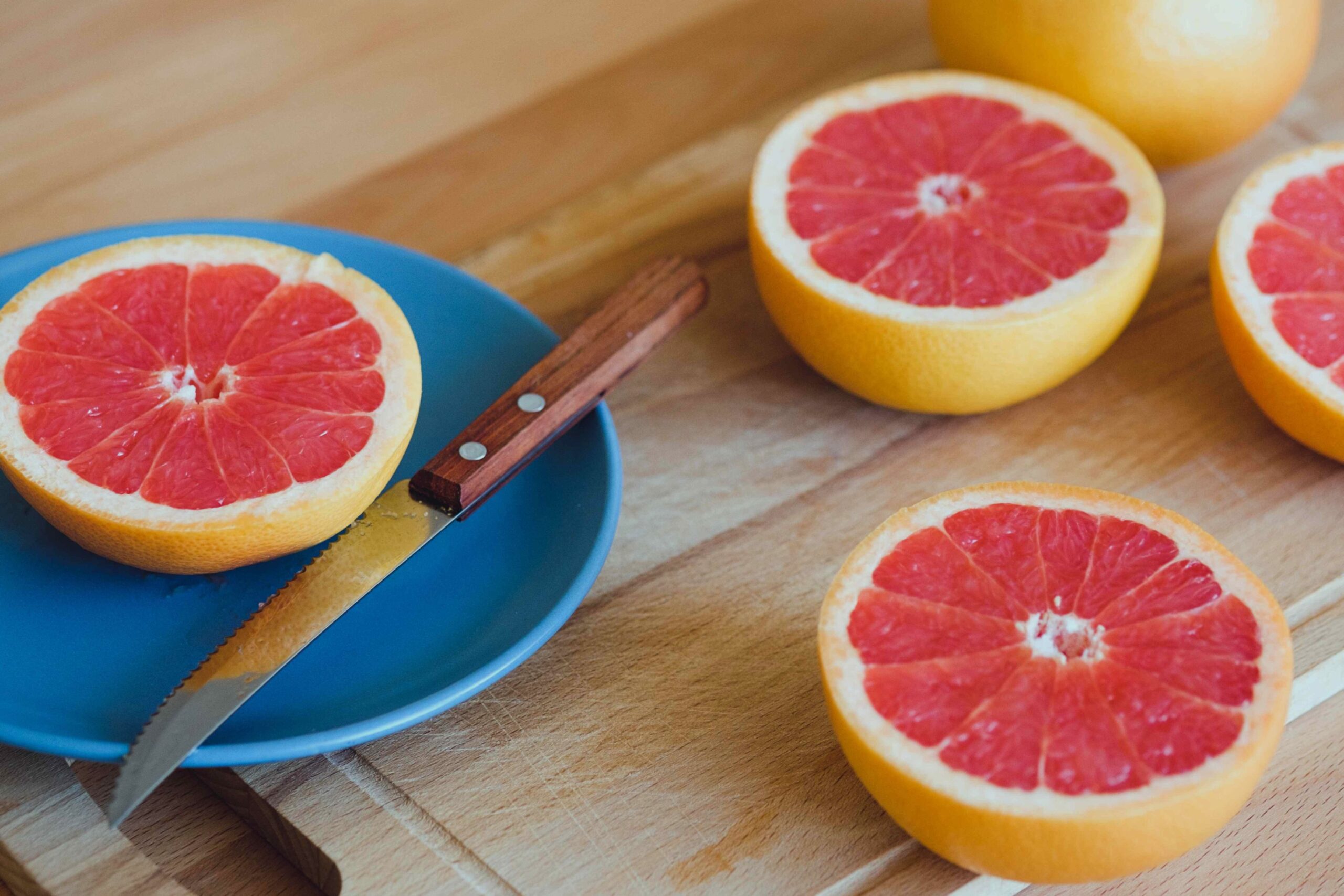
While grapefruit is often the first food that comes to mind when thinking about vitamin C, many other options provide even higher doses of this essential nutrient. Vitamin C is vital for immune function, wound healing, and overall health, and because our bodies don’t produce or store it, consistent dietary intake is crucial. Here’s a look at seven foods that exceed grapefruit in vitamin C content.
Acerola Cherries: A Vitamin C Powerhouse
Red acerola cherries (also known as Barbados cherries) lead the pack with an astounding 1650 mg of vitamin C per cup, delivering over 2,200% of the recommended daily value for women and 1,833% for men. These tart, South American fruits aren’t just about vitamin C; they also boast phytonutrients that may reduce the risk of chronic diseases.
Rose Hips: More Than Just Pretty Flowers
Rose hips, the seed pods of rose plants, pack 541 mg of vitamin C per cup, exceeding 700% of the daily value. Historically used in jams, jellies, and even wine, rose hips offer not just vitamin C but also a range of antioxidants that may support immune function, reduce inflammation, and slow aging.
Guava: A Tropical Boost
Guava delivers a substantial 376 mg of vitamin C per cup, more than five times the amount found in an equivalent serving of grapefruit. Beyond vitamin C, guava provides fiber for digestion, plus vitamins A, calcium, and other essential nutrients.
Black Currants: Tiny Berries, Big Benefits
These dark purple berries offer 203 mg of vitamin C per cup, providing over 270% of the daily value for women. Black currants also contain gamma-linolenic acid (GLA), an essential fatty acid, and anthocyanins, powerful antioxidants that give them their deep color.
Red Bell Peppers: A Crunchy Source
One cup of chopped red bell peppers contains 191 mg of vitamin C, exceeding 250% of the daily value. These peppers are also rich in vitamin A, folate, and other nutrients that support eye health, immunity, and iron absorption.
Broccoli: Beyond the Greens
Broccoli provides 81.2 mg of vitamin C per cup, covering over 100% of the daily needs for women and 90% for men. This cruciferous vegetable is also packed with vitamins K and A, fiber, and antioxidants that support heart health and collagen production.
Brussels Sprouts: Small But Mighty
Brussels sprouts offer 74.8 mg of vitamin C per cup, alongside an impressive dose of vitamin K. Like broccoli, they contain sulfur compounds linked to potential anticancer and anti-inflammatory effects.
In conclusion, while grapefruit remains a good source, many foods far surpass it in vitamin C content. Incorporating these nutrient-rich options into your diet ensures optimal intake of this essential vitamin, supporting immune function, wound healing, and long-term health.


