The U.S. Department of Education (DoEd) is proposing significant changes to student loan eligibility, narrowing the definition of what constitutes a “professional degree.” The shift—outlined in the One Big Beautiful Bill Act—will limit federal loan access for many health-related fields, while expanding it for others. The move has ignited backlash from professional associations and educators, who warn of potential workforce shortages and equity issues.
What’s Changing?
Under the proposed rules, only the following will qualify as “professional degrees” with higher loan limits ($50,000/year, $200,000 total):
- Pharmacy (Pharm.D.)
- Dentistry (D.D.S. or D.M.D.)
- Veterinary Medicine (D.V.M.)
- Chiropractic (D.C. or D.C.M.)
- Law (L.L.B. or J.D.)
- Medicine (M.D.)
- Optometry (O.D.)
- Osteopathic Medicine (D.O.)
- Podiatry (D.P.M., D.P., or Pod.D.)
- Theology (M.Div., or M.H.L.)
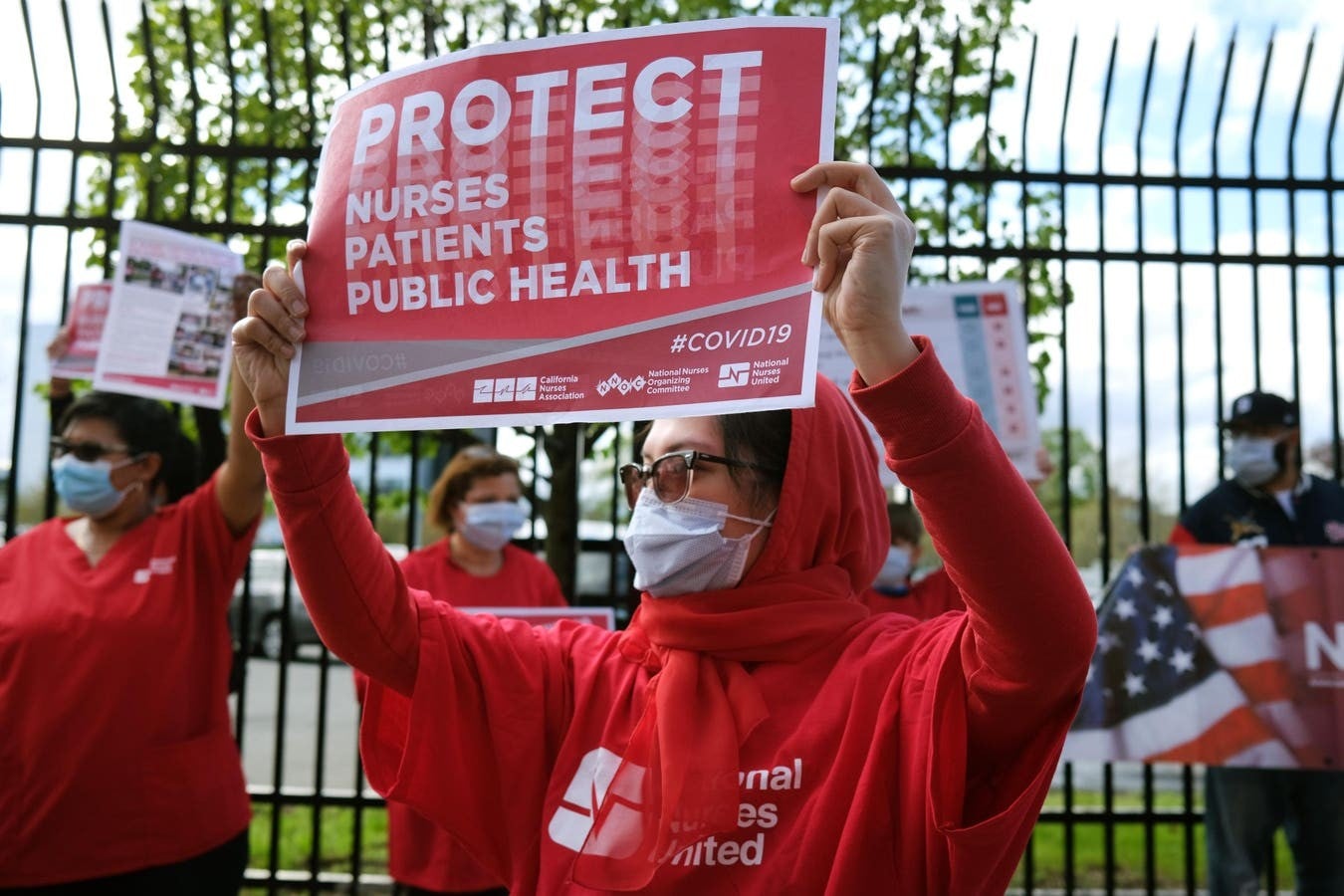
Crucially excluded are fields like nursing, physician assistant studies, physical therapy, occupational therapy, public health, and social work. Standard loan limits for these programs will remain at $20,500/year and $100,000 total. The DoEd is also phasing out the Grad PLUS program and simplifying student loan repayment plans.
Why Does This Matter?
This redefinition isn’t just bureaucratic; it has real-world consequences. Limiting loan access could discourage students from pursuing advanced degrees in crucial, yet often underpaid, healthcare professions. The change comes at a time when the U.S. already faces critical shortages in nursing, public health, and other fields—particularly in rural and underserved communities.
The DoEd claims the changes will curb “unsustainable” student loan borrowing and prevent students from taking on debt for degrees with limited earning potential. However, critics argue this ignores the essential role these professions play in public health and access to care.
“At a time when healthcare in our country faces a historic nurse shortage and rising demands, limiting nurses’ access to funding for graduate education threatens the very foundation of patient care,” says Jennifer Mensik Kennedy, President of the American Nurses Association.
Pushback and Concerns
The Association of Schools and Programs of Public Health (ASPPH) is among the groups actively opposing the changes. They argue the definition of “professional” should be inclusive, not restrictive. Other concerns include:
- Program closures: Reduced funding could force some degree programs to shut down.
- Private loans: Students may be forced to take on more expensive private loans.
- Equity impact: The changes could disproportionately affect students from underrepresented and economically disadvantaged backgrounds.
The DoEd insists the redefinition is merely an “internal” distinction for loan limits, not a devaluation of non-included professions. However, many health professionals disagree, viewing it as a deliberate undermining of their fields.
Broader Context
The changes occur alongside broader shifts in the administration’s approach to public health. Recent appointments, such as Dr. Ralph Lee Abraham as the CDC’s Principal Deputy Director, have raised concerns about vaccine opposition influencing policy. Combined with cuts to the CDC and USAID, the loan restrictions further signal a potential dismantling of public health infrastructure.
Next Steps
The Department of Education is expected to release a Notice of Proposed Rulemaking (NPRM) soon. The public will have an opportunity to submit comments via the Federal eRulemaking Portal. This is a critical moment for stakeholders to voice their concerns and shape the final outcome.
The long-term impact of these changes remains uncertain, but the immediate effect will likely be a chilling effect on enrollment in many essential healthcare and public health programs.