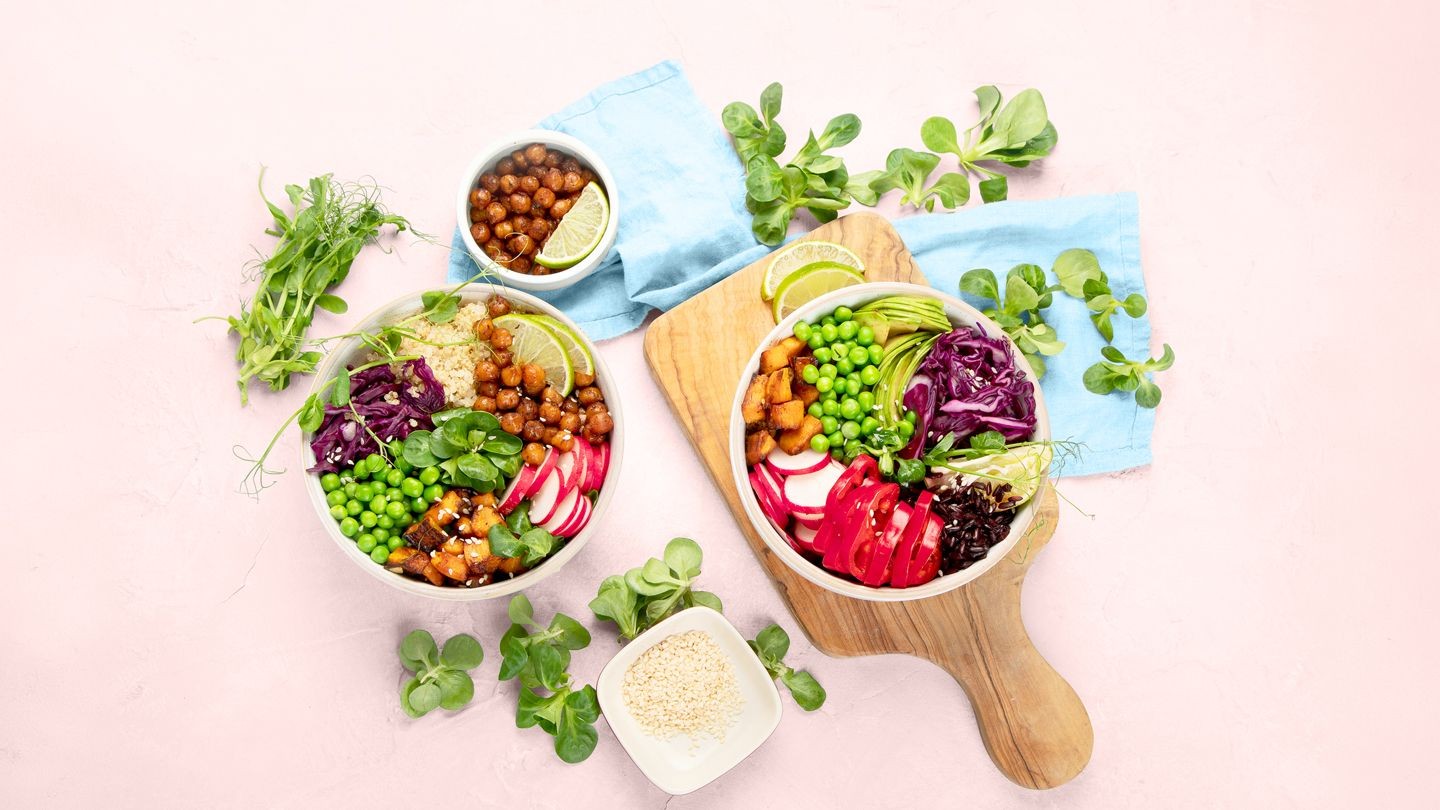
For years, nutrition experts have emphasized the advantages of eating more plants and reducing meat consumption. The benefits of a plant-forward diet are increasingly well-documented, offering improvements in both physical and mental health, as well as a reduced environmental impact.
What Does “Plant-Based” Actually Mean?
The term “plant-based” isn’t about strict rules or calorie counting. It’s a flexible approach: prioritizing plant foods while reducing animal products. There’s a spectrum:
- Vegetarian: Includes dairy, eggs, and plant proteins, excluding meat.
- Vegan: Excludes all animal products (meat, dairy, honey).
- Raw Vegan: Limits intake to uncooked plant foods.
- Flexitarian: Primarily plant-based, but includes occasional meat consumption.
For many, a flexitarian approach is the most sustainable, allowing gradual changes without strict restriction. The key is increasing plant intake rather than focusing solely on eliminating animal products.
9 Science-Backed Benefits of a Plant-Rich Diet
Extensive research demonstrates that incorporating more plants into your diet can lead to significant health improvements.
- Lower Blood Pressure: Studies show that increasing plant protein intake can reduce the risk of high blood pressure by up to 16%. This is crucial because hypertension increases the risk of heart disease, stroke, and type 2 diabetes.
- Heart Health: Reducing saturated fat from meat and increasing plant-based foods supports cardiovascular health. A long-term study found that moderate consumption of plant-based foods, even with some animal products, lowered the risk of heart disease by 52% over 32 years.
- Diabetes Prevention: Plant-based diets help regulate blood sugar by reducing saturated fat intake. Research indicates that following a vegan diet may lower type 2 diabetes risk by 35% compared to other dietary patterns.
- Increased Lifespan: Eating more plant proteins and fewer animal proteins may help you live longer. Studies suggest a plant-based diet can reduce the risk of death from cancer by 12% and heart disease by 19%.
- Cancer Prevention: Plant-based diets are high in fiber, vitamins, and phytochemicals, which protect against various cancers. Fiber intake, in particular, is linked to lower risk of bowel cancer.
- Improved Cholesterol: Plant-based diets are low in fat and high in fiber, reducing LDL (“bad”) cholesterol levels. This directly reduces the risk of heart attack and stroke.
- Stroke Risk Reduction: A plant-rich diet helps control blood pressure, weight, and cholesterol, all major stroke risk factors. Increasing fruit and vegetable intake provides essential potassium, which helps lower blood pressure.
- Brain Health: Compounds in plant foods may slow cognitive decline and reduce the risk of dementia. Polyphenols found in fruits, vegetables, and whole grains have neuroprotective effects.
- Overall Well-Being: The combined effects of these benefits contribute to a healthier, longer life. Choosing plant-based proteins can support longevity, especially as you age.
Making the Switch
Starting a plant-forward diet doesn’t require radical changes. Begin by increasing plant portions on your plate and gradually reducing meat intake. For those concerned about nutrient deficiencies, focusing on a balanced flexitarian approach can provide sufficient B12 and iron while maximizing health benefits.
Ultimately, the most effective approach is one that’s sustainable for you. Increasing the proportion of plants on your plate is a simple, science-backed way to support your physical and mental well-being.