Onions are a staple in kitchens worldwide, often lauded for their health benefits. While they are undeniably nutritious, the gap between “nutritious” and “medicinal miracle” is often filled with exaggerated claims. To understand what onions actually do for the human body, we must distinguish between promising laboratory studies and rigorous human clinical trials.
The Antioxidant Profile: Where the Value Lies
From a purely nutritional standpoint, onions are powerhouses of antioxidants. However, most people may be inadvertently throwing away the most beneficial parts.
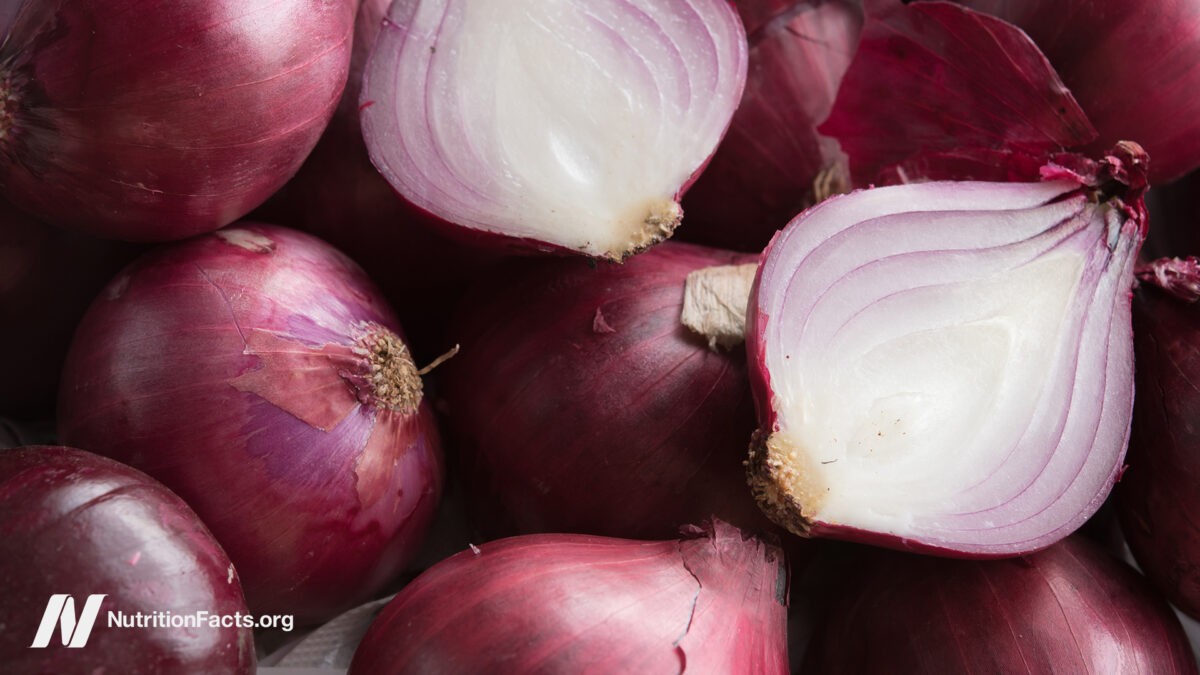
- The Layer Effect: Antioxidants are most concentrated in the outer layers, just beneath the papery skin.
- White vs. Yellow: In white onions, the outer layers can contain over ten times the antioxidants found in the inner core.
- The Color Spectrum: While all onions are nutritious, red onions generally lead the pack in antioxidant activity, followed by yellow onions, with white onions trailing slightly behind.
The takeaway: To maximize nutrient intake, avoid peeling away the outermost fleshy layers of the onion.
Debunking the Myths: From Rats to Humans
A common trend in nutritional science is the “translation error,” where results found in animal models are incorrectly applied to human health. This often leads to sensationalist headlines that do not hold up under scrutiny.
1. Testosterone and Hormonal Health
Some literature suggests onions can boost testosterone. However, these claims are frequently based on studies involving rats—specifically, research involving onion juice after testicular torsion in rodents. When researchers finally conducted human trials, they found that onion extract had no significant effect on male testosterone levels.
2. Allergy Relief
There has been interest in whether shallots can act as a natural antihistamine for allergic rhinitis (runny noses). In a randomized study comparing antihistamines to a combination of antihistamines and shallot powder, the results were inconclusive. There was no statistically significant difference in symptom relief between the two groups, suggesting shallots are not a viable substitute for allergy medication.
Where the Evidence Holds Up: Bone Health and Blood Sugar
While some claims fall flat, clinical research has identified specific areas where onions may provide genuine physiological benefits.
Bone Density and Osteoporosis
There is a compelling link between onion consumption and bone health, particularly in women.
* Observational Data: Studies showed that older white women who consumed onions at least once a day had a 5% higher bone density than those who ate them rarely.
* Clinical Potential: While much of the “miracle cure” data for osteoporosis still comes from rodent studies, human trials involving onion juice over an eight-week period showed improvements in markers of bone health. While not yet a replacement for pharmaceutical intervention, it represents a low-cost, low-risk dietary support.
Blood Sugar and Insulin Resistance
Perhaps the most robust finding involves metabolic health, specifically in patients undergoing chemotherapy.
* The Challenge: The chemotherapy drug doxorubicin is known to be toxic to the heart and liver, but it also contributes to insulin resistance and high blood sugar.
* The Finding: In a randomized, triple-blind, controlled clinical trial, patients were split into groups consuming different amounts of whole onions. The group consuming one whole onion per day saw a significant decrease in blood sugar and insulin resistance. Conversely, the group consuming less onion saw their levels rise.
Summary of Findings: While onions are not a cure-all for cancer or a substitute for hormone therapy, they show significant promise in supporting bone density markers and managing blood sugar levels.
Conclusion
Onions are a highly effective dietary tool for improving metabolic health and supporting bone density, but they are not a panacea for allergies or hormonal imbalances. For the best nutritional results, focus on consuming the outer layers and incorporating whole onions into your daily diet.