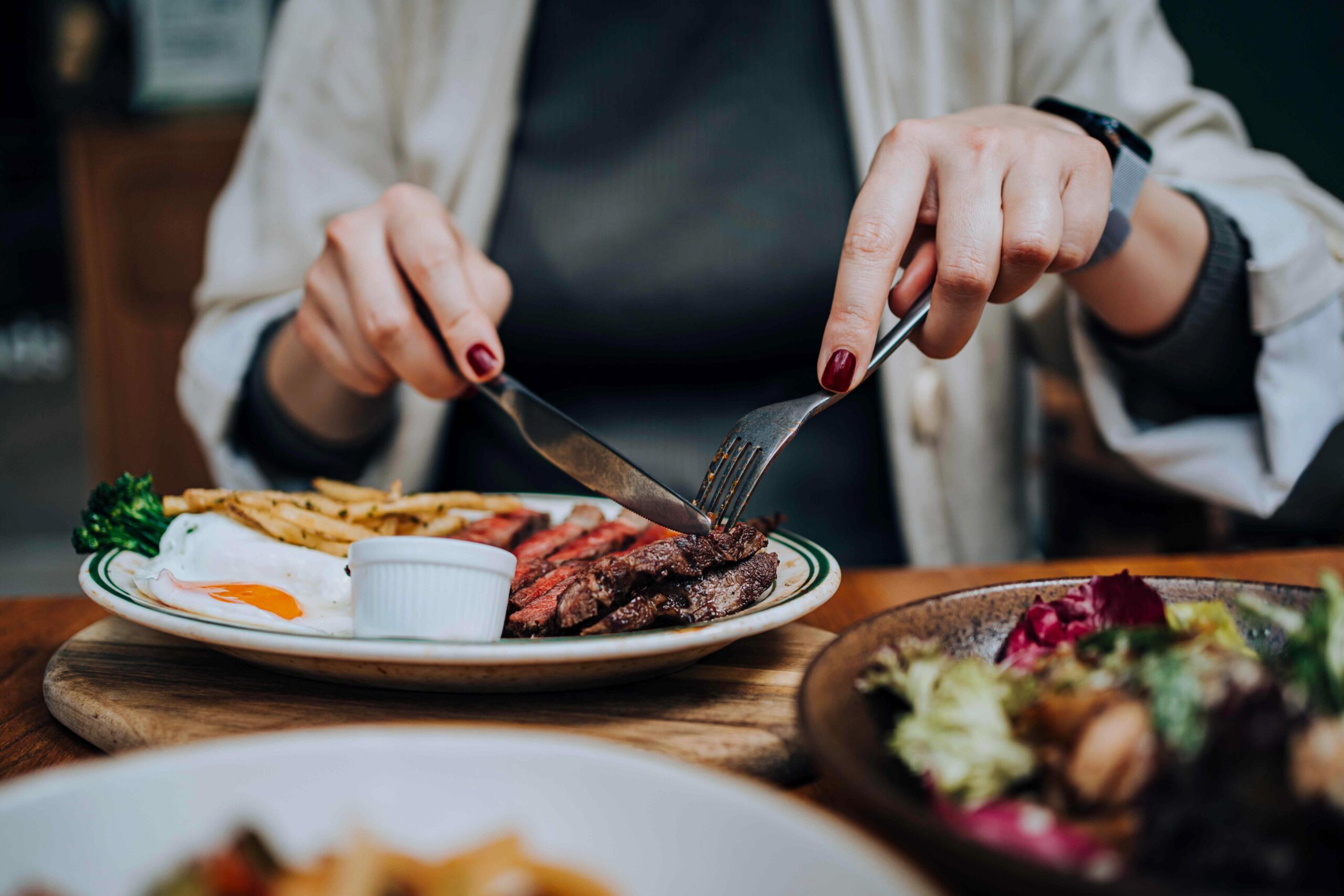
New research confirms that when you eat dinner is as important as what you eat. For many, dinner is an afterthought, squeezed into busy schedules. However, a growing body of scientific evidence suggests that aligning meal times with your body’s natural rhythms can significantly improve metabolism, sleep, and long-term health.
The Body Clock and Meal Timing
Human physiology operates on a 24-hour cycle, known as a circadian rhythm. This internal clock regulates everything from hormone production to sleep-wake cycles. Eating against these rhythms—especially late at night—disrupts metabolic processes. Frank Scheer, PhD, explains that “we’re not the same person in the morning that we are in the evening,” meaning the same meal will have different effects depending on when it’s consumed.
Daisy Duan, MD, at Johns Hopkins, has demonstrated this in her studies. A key experiment showed that young, healthy adults who ate the same dinner at 6 p.m. versus 10 p.m. experienced higher blood sugar spikes and reduced fat processing after the later meal. This effect persists even if there’s time to digest before sleep.
How Late Dinners Impact Health
The problem lies in melatonin, a hormone secreted at night that prepares the body for sleep. Scheer’s research indicates that rising melatonin levels interfere with blood sugar regulation, leading to prolonged spikes after eating. Late dinners also trigger increased hunger, reduced calorie burn, and tissue-level changes that promote fat gain.
While lab studies don’t perfectly mirror real-world conditions, the implications are clear: habitually eating late may increase the risk of metabolic health issues such as type 2 diabetes and obesity. Other research supports this, linking early calorie consumption to weight loss and improved metabolic markers.
Furthermore, late eating is also associated with poorer sleep quality and even a higher risk of mortality, according to recent studies.
The Ideal Dinner Time
Scientists haven’t pinned down a precise “best” time, but avoiding late-night meals is generally optimal. Aim for at least two hours, and ideally more, between dinner and bedtime. A dinner time between 5 p.m. and 7 p.m. is a reasonable goal.
However, flexibility is key. Occasional late meals won’t ruin your health, but avoiding large, heavy dinners right before bed is crucial. Experts recommend that dinner should not be your biggest meal of the day. Instead, prioritize eating most calories earlier in the day, closer to waking hours.
Transitioning to Earlier Dinners
Shifting to an earlier mealtime can be challenging. Start by making changes throughout the day. Prioritize breakfast and lunch, ensuring they contain enough protein, fiber, and healthy fats to curb late-night hunger. Setting a specific “cut-off” time for eating can also help enforce the change.
Ultimately, aligning your dinner time with your body’s natural rhythms is a simple yet powerful way to improve metabolic health, sleep quality, and overall well-being.
The key takeaway is that meal timing matters as much as meal content. By making conscious adjustments to when you eat, you can optimize your body’s natural processes for better health.