Most discussions about healthy eating focus on what you eat. But how you handle food – from preparation to storage – has a surprisingly large impact on its nutritional value. Four common kitchen practices can unknowingly reduce the vitamins, minerals, and antioxidants in your meals. Here’s how to avoid them.
The Importance of Timing: Cruciferous Vegetables
Broccoli, kale, and Brussels sprouts contain glucosinolates, compounds that convert into sulforaphane – linked to cellular protection and metabolic health. This conversion relies on an enzyme called myrosinase, activated when you chop or chew these vegetables.
Why it matters: Cooking immediately after chopping limits sulforaphane formation, reducing antioxidant benefits.
Fix: Let chopped cruciferous vegetables rest for 30–45 minutes before cooking. This allows myrosinase to work. If time is short, add mustard seeds, arugula, or radish afterward to boost sulforaphane production.
Cooked Vegetable Storage: Freshness Matters
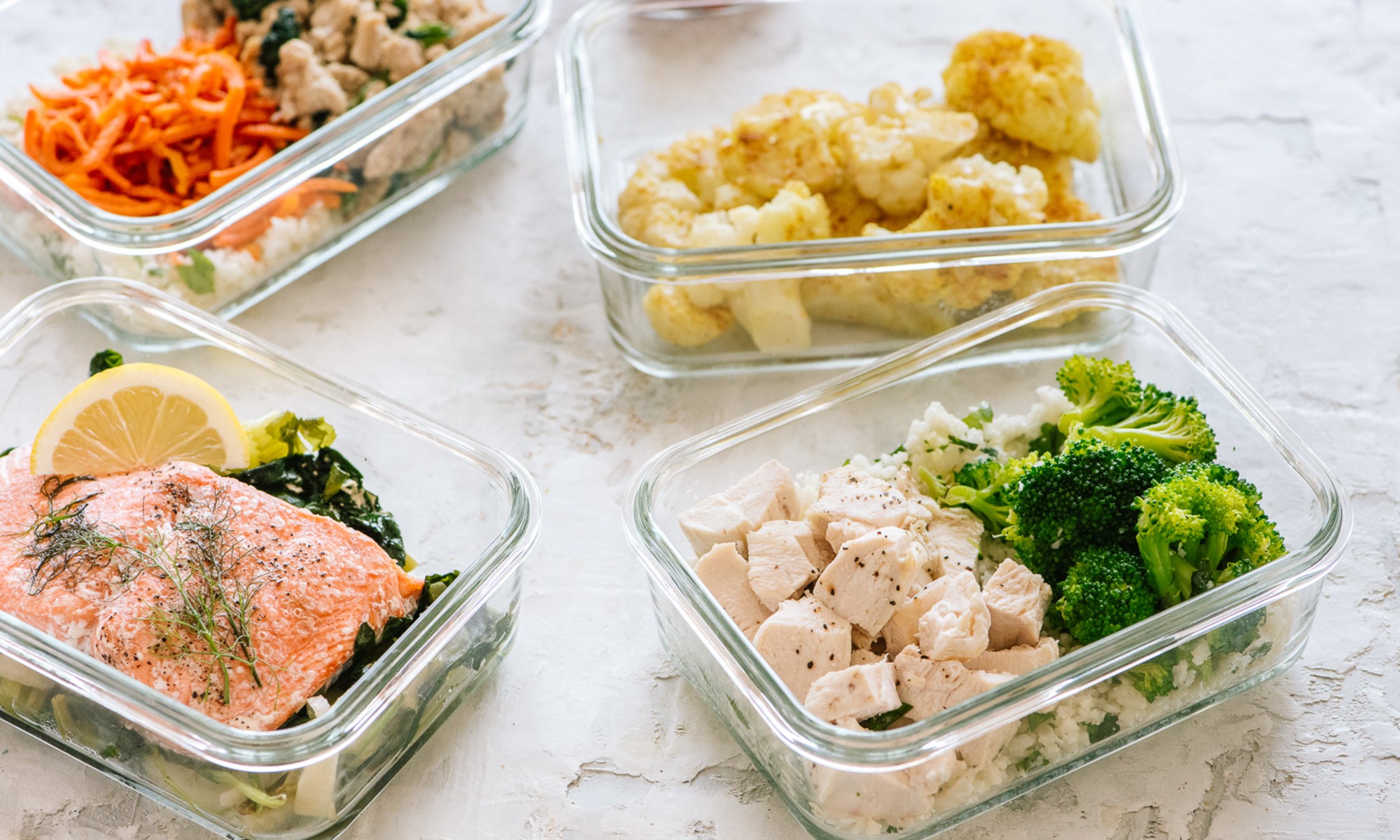
Meal prepping is efficient, but cooked vegetables degrade over time. Nutrients like vitamin C and certain antioxidants are sensitive to oxygen, light, and storage duration. Even after cooking, these compounds continue to break down, especially if stored improperly.
Why it matters: Prolonged storage diminishes the nutritional value of cooked food.
Fix: Consume cooked vegetables within 1–2 days for optimal nutrient retention. Store them in airtight containers to minimize oxygen exposure, and avoid reheating the same batch repeatedly.
Coffee Freshness: Grind Just Before Brewing
Coffee is a major antioxidant source for many people. However, pre-ground coffee rapidly loses flavor and nutritional value once exposed to oxygen. Aromatic compounds and polyphenols degrade almost immediately after grinding. Single-serve pods suffer from similar losses over time.
Why it matters: Freshly ground coffee delivers more antioxidants and richer flavor.
Fix: Buy whole-bean coffee and grind it right before brewing. This simple step preserves a significant amount of beneficial compounds. Look for high-polyphenol blends confirmed by third-party testing.
Oil Storage: Protect From Light and Air
Olive and avocado oils are kitchen staples, but exposure to light, heat, and oxygen causes oxidation. This degrades beneficial fatty acids and can create inflammatory compounds over time.
Why it matters: Oxidized oils lose health benefits and may become detrimental.
Fix: Store oils in tightly sealed, dark glass or opaque containers away from heat sources and direct sunlight. Proper storage protects oil quality and preserves its nutrients.
In conclusion, seemingly minor kitchen habits can significantly impact your food’s nutritional value. By optimizing preparation, storage, and ingredient freshness, you can maximize the benefits of every meal.