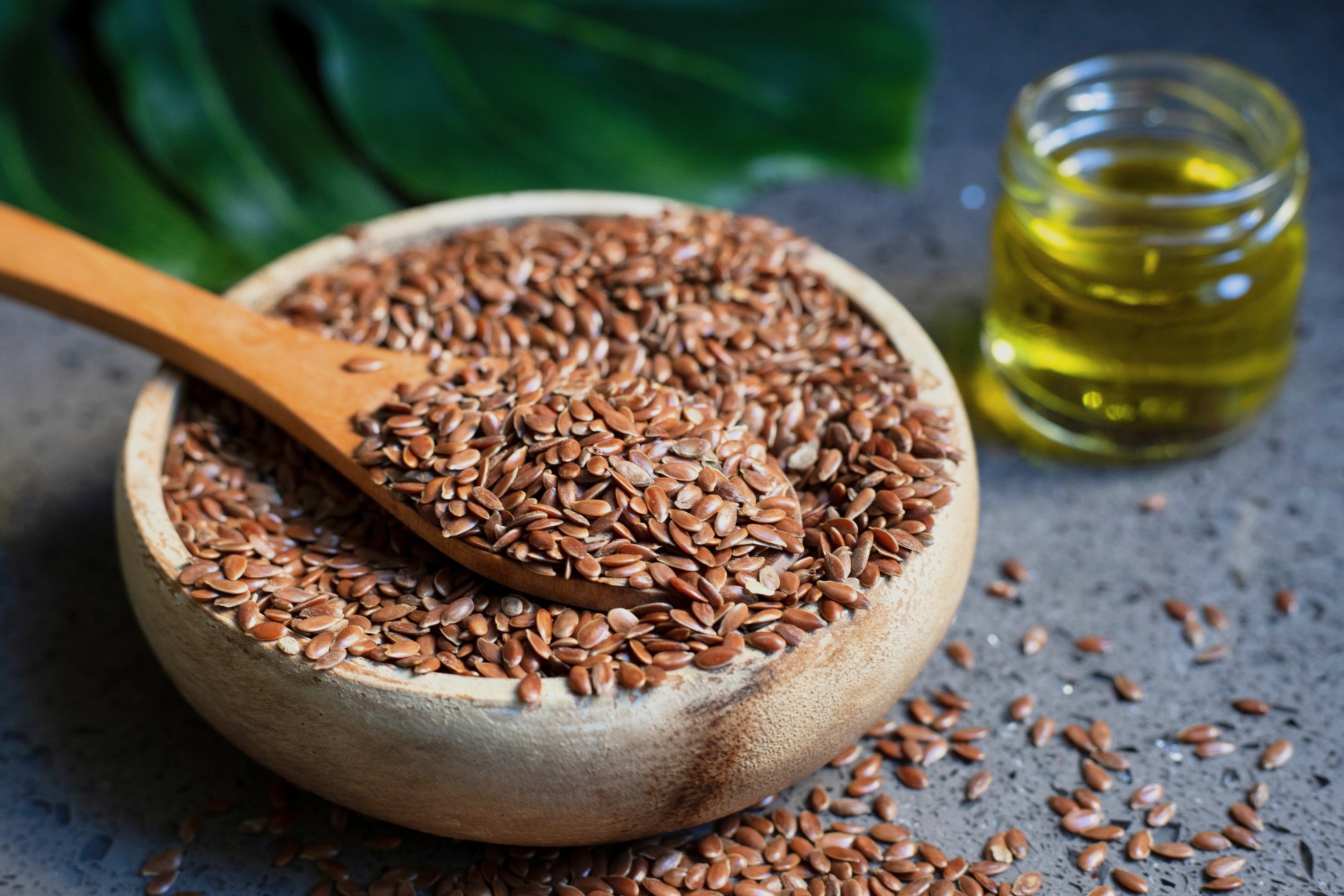
Flaxseeds are a well-regarded source of nutrients, but can they genuinely lower blood pressure? The answer, based on recent research, is cautiously optimistic. While not a standalone cure, regular flaxseed consumption may offer a modest yet consistent benefit, particularly for those with elevated blood pressure.
The Evidence Behind the Benefits
A 2024 meta-analysis indicates that at least eight weeks of consistent flaxseed intake can reduce systolic blood pressure (the top number) by approximately 8.6 mm Hg and diastolic blood pressure (the bottom number) by 4.9 mm Hg in individuals with above-normal readings. These reductions, while not dramatic, are meaningful when combined with other heart-healthy habits like sodium restriction, exercise, and stress management.
Experts emphasize that flaxseeds should complement, not replace, standard medical treatment. As Alexandra Gurskaya Pineda, a board-certified family nurse practitioner, points out, they are best viewed as “a complementary intervention alongside routine medications.”
How Flaxseeds Work
The blood pressure-lowering effects of flaxseeds are attributed to their unique composition. They are rich in:
- Alpha-linolenic acid (ALA): A type of omega-3 fatty acid known for its anti-inflammatory properties.
- Fiber: Helps regulate blood sugar and promotes overall cardiovascular health.
- Lignans: Plant compounds with antioxidant effects that further reduce inflammation.
These components work synergistically to relax blood vessels, improve blood flow, and ultimately lower blood pressure. Michael Richardson, MD, notes flaxseeds may be particularly beneficial for people with peripheral artery disease, where inflammation significantly narrows blood vessels.
Important Considerations
Before integrating flaxseeds into your diet for blood pressure support, keep these factors in mind:
- Digestive Issues: Overconsumption or inadequate hydration can cause bloating, gas, or diarrhea. Start slowly and drink plenty of water.
- Allergies & Medications: Allergic reactions are possible, and flaxseeds may interact with blood thinners.
- Pregnancy/Breastfeeding: Avoid flaxseeds if pregnant or breastfeeding due to potential hormonal effects.
- Preparation Matters: Ground flaxseeds are best, as the whole seeds’ tough outer shell makes nutrient absorption difficult. Flaxseed oil lacks fiber and lignans.
Dosage and Practical Use
Experts recommend starting with 1–2 teaspoons of ground flaxseed daily, gradually increasing to 1–2 tablespoons as tolerated. Consuming around 30 grams (about 3 tablespoons) daily may produce effects comparable to a single blood pressure medication, but consistent, long-term intake is key.
Flaxseeds can be easily added to your diet by sprinkling them into yogurt, oatmeal, smoothies, or baked goods.
Despite their potential, flaxseeds are not a substitute for professional medical care. Blood pressure management requires a personalized plan developed in consultation with a physician.
While flaxseeds show promise for natural health approaches, they should be part of a comprehensive strategy, not a standalone solution.