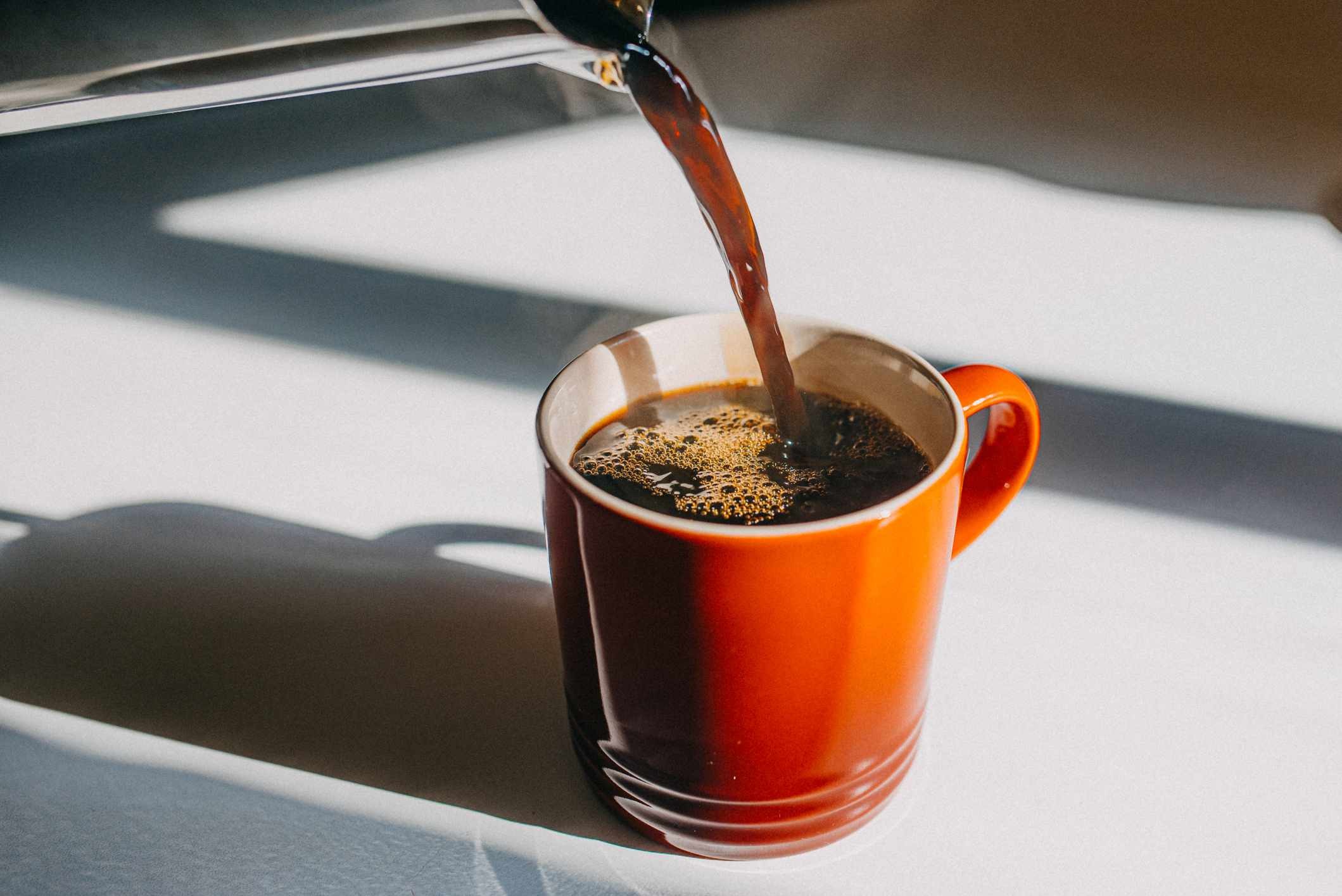
Both regular and decaffeinated coffee offer significant health benefits, but the best choice depends on individual needs and tolerance. Both varieties contain vital phytonutrients, notably polyphenols, linked to improved heart health and reduced disease risk. However, caffeine’s impact differs sharply between the two.
Understanding Decaffeination
Decaf coffee begins with the same beans as regular coffee—typically arabica or robusta. The key difference is an extra step: removing most of the caffeine before roasting. While roasting enhances flavor, decaffeination can slightly weaken the bean’s natural profile.
Historically, decaffeination involved steaming beans and applying chemical solvents like ethyl acetate or dichloromethane to extract caffeine. The FDA regulates solvent residue levels, requiring them to remain below 0.001% (less than 10 parts per million). Newer, safer methods use hot water to dissolve caffeine without penetrating the beans.
Caffeine Content: A Clear Divide
Decaf isn’t entirely caffeine-free. It typically contains no more than 0.1% caffeine, down from 1.5–2% in regular beans. A 6-ounce serving of regular coffee packs around 72 milligrams (mg) of caffeine, while the same amount of decaf delivers under 3 mg.
For most adults, daily caffeine intake should stay below 400 mg to avoid side effects like nervousness, anxiety, palpitations, dizziness, insomnia, and digestive upset. High doses can even trigger seizures, hallucinations, or irregular heartbeats.
The Upsides of Caffeinated Coffee
Moderate consumption (2–3.5 cups daily) is linked to lower risks of death from all causes, including type 2 diabetes, heart disease, cancer, and neurological disorders. Coffee may also reduce gout, kidney stones, and liver problems.
Caffeine enhances focus, reaction time, and concentration. However, it can also increase the risk of gastric or colorectal cancers and worsen symptoms of chronic acid reflux (GERD).
Why Choose Decaf?
Decaf retains many of the health benefits of regular coffee, particularly its high polyphenol content. These compounds have anti-inflammatory and antioxidant properties, and a significant amount of chlorogenic acid (CGA), which is linked to heart health. Unroasted coffee beans can contain over 543 mg of CGA per liter, though roasting intensity affects this.
Decaf may also lower the risk of metabolic syndrome (MetS)—a combination of high blood pressure, triglycerides, abdominal obesity, elevated blood sugar, and low HDL cholesterol—due to its CGA levels. While research is ongoing, early studies suggest decaf can improve blood pressure, waist circumference, and metabolic markers.
The Downsides of Decaf
Decaffeination often relies on chemical solvents, raising concerns about trace residues. The process can also diminish the bean’s flavor complexity. Most critically, decaf lacks the energy-boosting and mood-lifting effects of caffeine.
Which Coffee Is Right for You?
The choice between decaf and regular coffee ultimately comes down to personal preference and health needs. Both are rich in heart-healthy polyphenols, making either a solid choice. If you’re sensitive to caffeine or prioritize minimizing potential side effects, decaf is the better option. If you need the cognitive and physical benefits of caffeine, regular coffee remains a viable choice, consumed in moderation.