Severe low blood sugar (hypoglycemia) can quickly become life-threatening, especially for people with diabetes who rely on insulin. When someone loses consciousness or is unable to eat or drink, a rapid-acting emergency medication called glucagon can be critical. This article explains what glucagon is, how it works, and how to prepare for emergencies.
What is Glucagon?
Glucagon is a naturally occurring hormone produced by the pancreas. Its primary function is to raise blood sugar levels when they fall too low. It does this by signaling the liver to release stored glucose into the bloodstream. For people with diabetes, particularly those taking insulin, glucagon serves as a vital rescue medication when self-treatment is impossible.
When to Use Glucagon
Glucagon is not for mild low blood sugar. It’s reserved for emergencies: when someone is unconscious, having a seizure, or too confused to swallow. In these situations, glucagon can quickly restore consciousness and prevent serious complications.
Types of Glucagon Medication
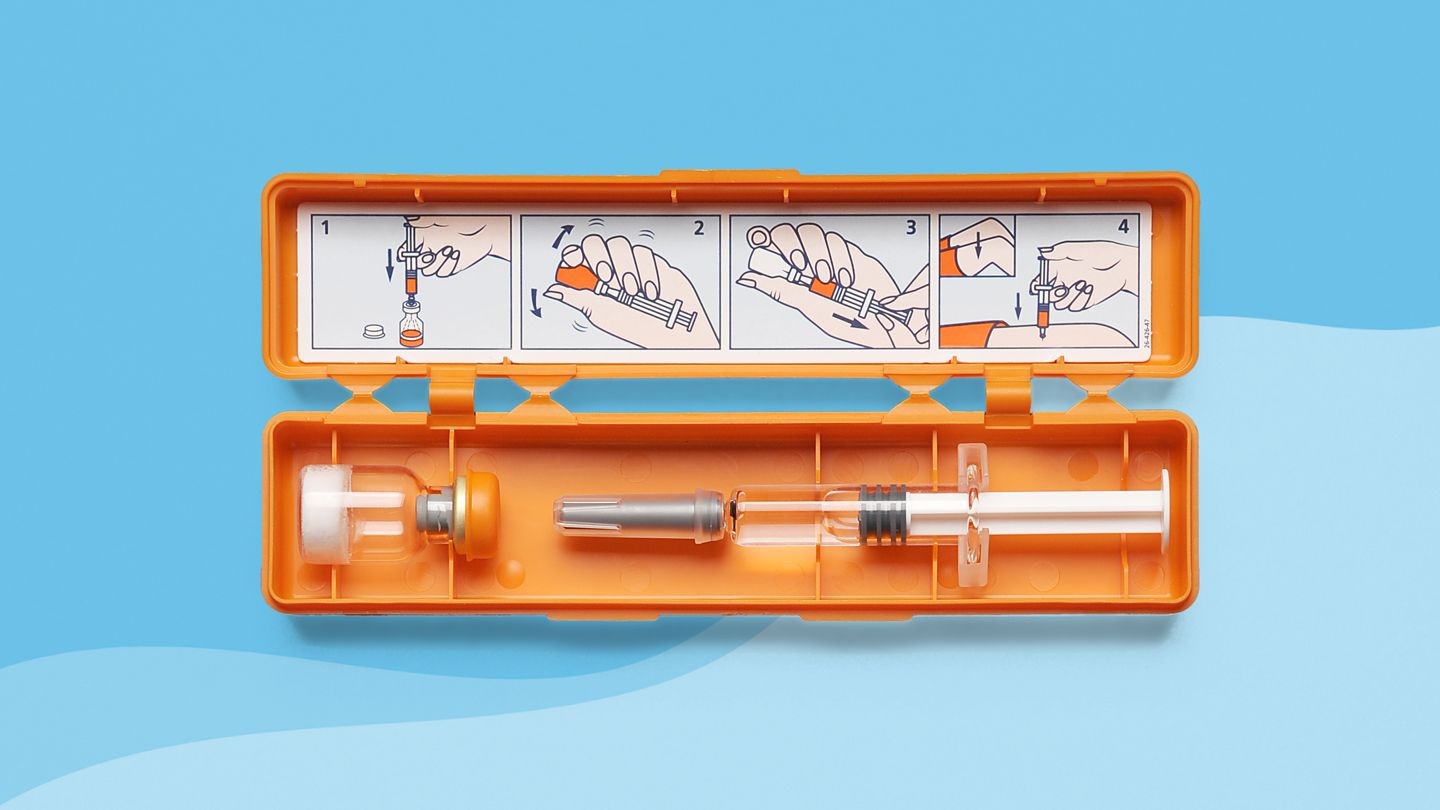
Today, glucagon comes in two main forms: nasal sprays and prefilled syringes or auto-injectors. Older kits requiring mixing are less common due to their complexity.
- Glucagon Nasal Spray: The easiest option, simply sprayed into the nose. It’s effective even on unconscious individuals.
- Prefilled Syringes & Auto-Injectors: Designed for quick use, these deliver a measured dose with minimal preparation. Auto-injectors require pressing a pen-like device into the outer upper arm, lower abdomen, or outer thigh for five seconds.
How to Administer Glucagon
- Check the Situation: Ensure the person is genuinely unable to self-treat due to unconsciousness or severe confusion.
- Administer the Medication: Follow the instructions on the packaging. Nasal sprays are straightforward; syringes and auto-injectors require a quick injection.
- Turn the Person on Their Side: Glucagon can cause vomiting, which is a choking hazard.
- Call for Medical Help: Even if glucagon works, professional medical evaluation is crucial.
Aftercare
Glucagon’s effects are temporary. Once the person regains consciousness, they must consume carbohydrates (juice, candy) to prevent another blood sugar drop. Monitor their condition and seek medical attention if necessary.
Preparing for Emergencies
- Keep Glucagon Accessible: Store it in a readily available location known to family, friends, and coworkers.
- Train Others: Educate those around you on how to recognize severe hypoglycemia and administer glucagon.
- Check Expiration Dates: Replace expired glucagon promptly.
- Annual Review: Discuss emergency preparedness with your healthcare team.
Key Takeaways
Glucagon is a life-saving medication for severe low blood sugar emergencies. Knowing how to use it, keeping it accessible, and training others can make a critical difference.
Resources:
- American Diabetes Association: https://www.diabetes.org/
- Cleveland Clinic: https://my.clevelandclinic.org/
Disclaimer: This article provides general information and should not replace professional medical advice. Consult your healthcare provider for personalized guidance