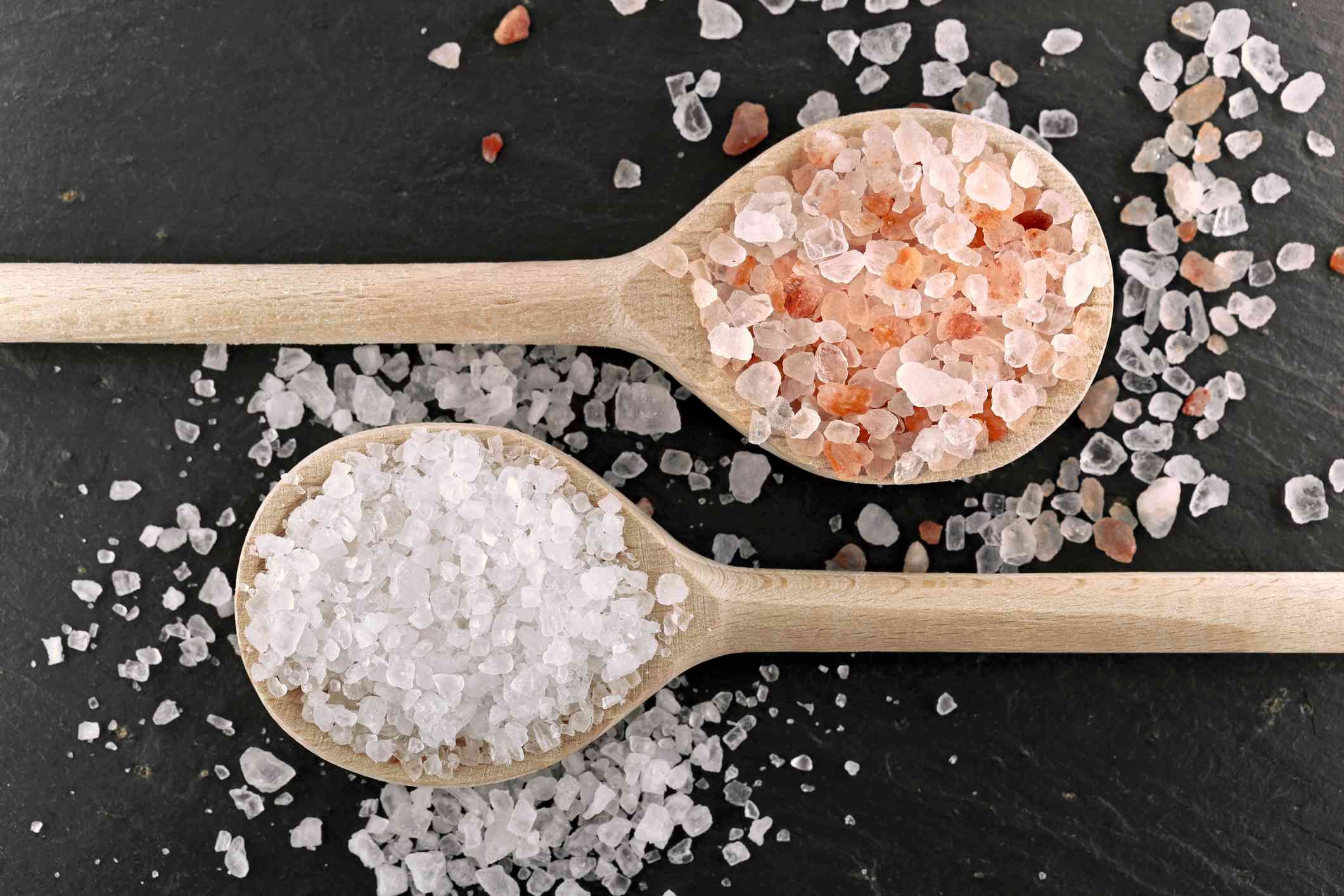
Both Himalayan and sea salts are popular alternatives to highly processed table salt, often touted for their natural mineral content. But how do they stack up in reality? And what hidden risks might you encounter? This breakdown explores the origins, processing, benefits, and potential drawbacks of each, providing a clear picture for consumers.
The Origin Story: Where Salts Come From
Himalayan salt originates from ancient underground mines in Pakistan and the surrounding Himalayan region. These deposits formed over millions of years from evaporated primordial seas, compressed into rock formations rich in minerals. Extraction involves pumping water into these mines to create brine, which is then evaporated to produce the salt.
Sea salt, conversely, is harvested directly from seawater through solar evaporation. As the water evaporates, salt crystals form, and are then raked, rinsed, and dried. The process is minimally invasive, retaining more of the ocean’s natural trace elements.
The key difference here is that Himalayan salt has spent millennia underground, absorbing minerals from surrounding rock layers, while sea salt reflects the composition of the specific ocean basin from which it’s harvested.
Mineral Content: Fact vs. Fiction
Both salts contain sodium chloride as their primary component, but their secondary mineral profiles vary. Himalayan salt often contains trace amounts of potassium, magnesium, calcium, iron, and even copper. Sea salt also boasts these elements, though the exact composition depends on the source location.
However, the amounts of these minerals are too small to significantly impact health when consumed in typical quantities. A single teaspoon of either salt can easily exceed daily sodium intake recommendations, especially for individuals with hypertension.
Processing: Minimally Refined, But Not Risk-Free
Both Himalayan and sea salts undergo less processing than conventional table salt. This means they retain more natural trace nutrients and subtle flavor variations. However, minimal processing also means a higher potential for contaminants.
Himalayan salt has been found to contain elevated levels of aluminum, barium, silicon, and even lead in some samples. The long-term health effects of these heavy metals are still under investigation. Sea salt is not immune either; microplastics, an increasingly prevalent environmental pollutant, can find their way into seawater and subsequently, into the salt itself.
Beyond the Kitchen: Unexpected Uses
Both salts have applications beyond seasoning food. Coarse Himalayan and sea salts are popular for:
- Bath soaks: Magnesium-rich salts can promote muscle relaxation and ease tension.
- Salt blocks: Used in cooking (especially seafood) and as decorative elements.
However, these alternative uses do not eliminate the potential risks of heavy metal contamination or microplastic exposure.
The Iodine Question: A Critical Deficiency
A significant drawback of both Himalayan and sea salts is their lack of iodine. Iodine is essential for thyroid function, and many countries fortify table salt to prevent iodine deficiency. Switching to uniodized salt without dietary supplementation can lead to health problems over time.
The Bottom Line
Himalayan and sea salts offer a more natural alternative to refined table salt, but they are not without their drawbacks. While they may contain trace minerals, the quantities are negligible for meaningful health benefits. The potential for heavy metal contamination and microplastic exposure remains a concern. If you prioritize iodine intake, stick with iodized table salt, or ensure your diet provides sufficient iodine through other sources.