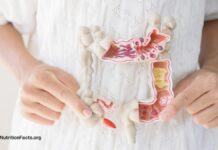
Endometriosis is a common, yet often misunderstood, chronic condition affecting millions of women. It occurs when tissue similar to the uterine lining grows outside the uterus – causing pain, inflammation, and potentially infertility. While there’s no cure, effective treatments exist to manage symptoms and improve quality of life. Understanding the condition and available options is key for those affected.
What is Endometriosis?
The core problem is misplaced tissue behaving like it belongs inside the uterus: thickening, breaking down, and bleeding with each menstrual cycle. This leads to inflammation, scar tissue formation, and chronic pelvic pain. Left untreated, endometriosis can worsen over time, impacting daily life and reproductive health. The exact cause remains unclear, but genetic factors, immune system responses, and hormonal imbalances all play a role.
Treatment Options: From Medication to Surgery
Managing endometriosis involves a multi-faceted approach tailored to symptom severity and individual goals. The first step is usually medical therapy:
- Pain Relief: Over-the-counter nonsteroidal anti-inflammatory drugs (NSAIDs) like ibuprofen can reduce mild to moderate pain.
- Hormonal Control: Birth control pills, patches, IUDs, or GnRH therapies (like elagolix) suppress hormone fluctuations that fuel endometriosis growth. These can significantly reduce symptoms, but often don’t eliminate the underlying issue.
- Aromatase Inhibitors: Used less commonly, these drugs lower estrogen levels and may be an option after menopause or in specific cases.
When medication fails, or symptoms are severe, surgery becomes necessary.
- Laparoscopic Surgery: Minimally invasive, it involves removing endometriosis lesions through small incisions. This is often an outpatient procedure, but recovery varies.
- Hysterectomy: The complete removal of the uterus. It’s a drastic measure, reserved for severe cases where other options fail, and it means no future pregnancies.
Important Note: Endometriosis often recurs after surgery unless hormonal suppression is continued. Continuous birth control or GnRH agonists are commonly prescribed post-op to prevent flare-ups.
Lifestyle and Dietary Approaches
While not a standalone solution, certain lifestyle changes can complement medical treatment:
- Anti-Inflammatory Diet: Focus on fruits, vegetables, omega-3 fatty acids (fish, nuts), and fiber. Limit processed foods, red meat, and saturated fats.
- Hydration and Avoiding Irritants: Stay hydrated, and minimize caffeine, alcohol, and added sugars.
- Magnesium and Zinc Intake: These nutrients play a role in reducing inflammation.
These changes won’t cure endometriosis, but they can help manage pain and improve overall well-being.
The Long-Term Picture
Endometriosis is a chronic condition with no single “fix.” The most definitive long-term solution is stopping menstruation altogether, either through menopause or surgical intervention. However, many women manage symptoms effectively with ongoing medication and lifestyle adjustments. The key is proactive management and working closely with a healthcare provider to find the best approach.
“After surgery, we commonly suppress recurrent endometriosis by starting continuous birth control pills,” says Dr. Leena S. Nathan. “This is safe and effective. The goal is to avoid having a period, which can lead to further implants and bleeding within the pelvis.”
Ultimately, endometriosis requires lifelong awareness and management. While challenging, effective treatments exist to maintain quality of life and prevent severe complications.