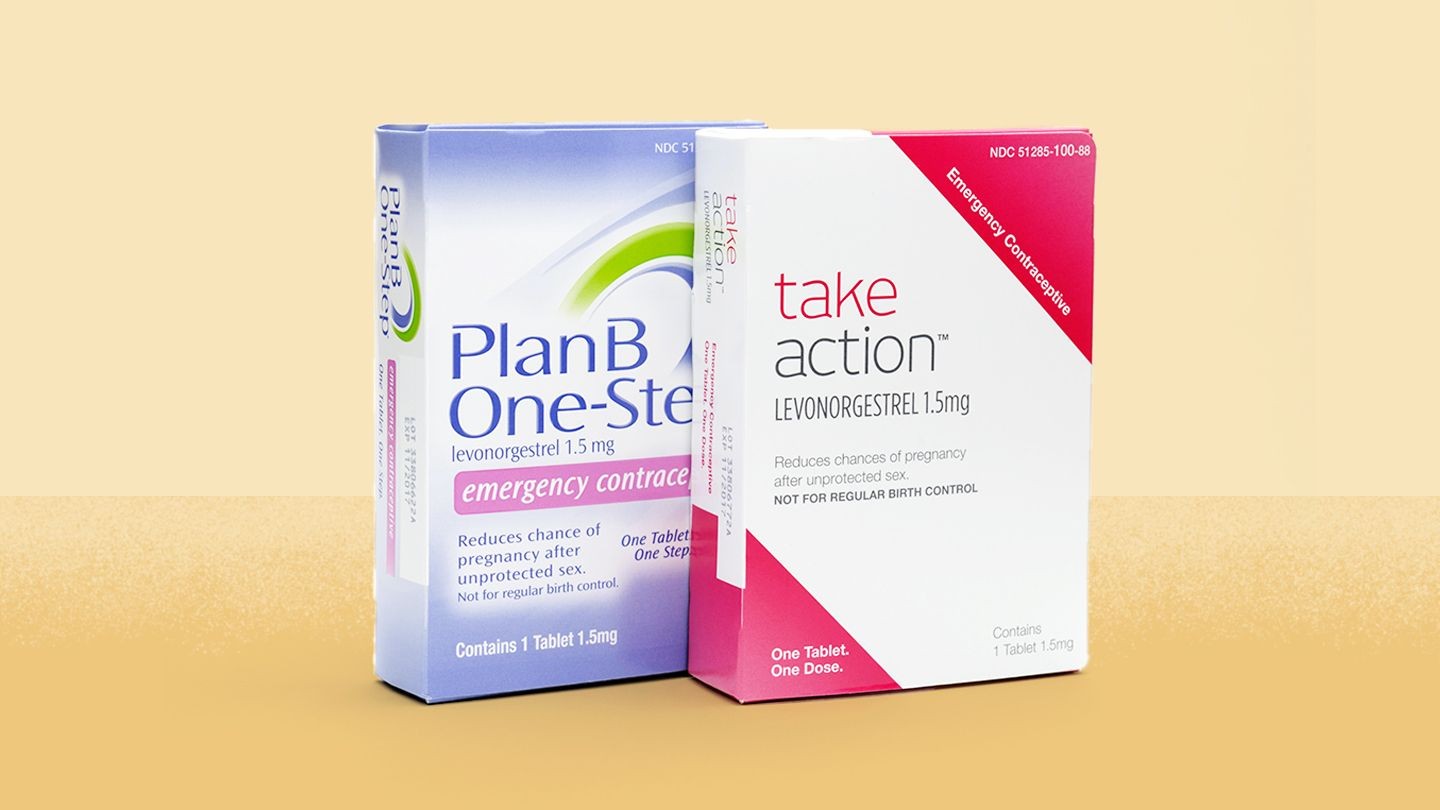
Emergency contraception (EC) offers a backup option if standard birth control fails or is unavailable. While not a primary method, it can significantly reduce the risk of pregnancy when used promptly after unprotected sex. This guide clarifies the types of EC, how they work, and where to access them.
What is Emergency Contraception?
EC prevents pregnancy by delaying or stopping ovulation, not by terminating an established pregnancy. It comes in several forms: progestin pills (like Plan B), ulipristal acetate pills (Ella), combined birth control pills at higher doses, and copper intrauterine devices (IUDs).
The debate over EC often arises because some conflate it with abortion, but medically, they are distinct. EC prevents fertilization; abortion ends an existing pregnancy. The availability of EC is now under scrutiny in some states following changes to abortion laws. Some studies suggest a decline in routine birth control prescriptions since these shifts, raising concerns about access to reproductive healthcare.
Four Types of Emergency Contraception
- Progestin Pills (Levonorgestrel):
- Commonly known as the “morning-after pill” (Plan B One-Step, Take Action, My Way, etc.).
- Most effective within 72 hours, but sooner is better.
- Contains levonorgestrel, a synthetic progestin that delays ovulation.
- Reduces pregnancy risk by 75–89% when taken within three days. Effectiveness may decrease for those over 165 pounds.
- Side effects are usually mild: nausea, dizziness, or changes in menstrual cycle.
- Availability: Over-the-counter; no prescription needed.
-
Cost: $11–$50 for generics, $40–$50 for Plan B. Insurance may cover it with a prescription.
-
Ulipristal Acetate (Ella):
- Requires a prescription.
- More effective than progestin pills, especially for those weighing over 165 pounds. Reduces pregnancy risk by 85% if taken within five days.
- Also delays or prevents ovulation.
- Availability: Prescription only; may be available through telehealth or pharmacists in some states.
-
Cost: Around $50, but often covered by insurance.
-
Combined Birth Control Pills (Yuzpe Method):
- Using high doses of estrogen-progestin pills is a backup option if other EC methods are unavailable.
- Requires medical supervision, as the dosage varies by pill brand.
- Nausea and vomiting are common, potentially reducing effectiveness.
-
Availability: Only if you already have a prescription for birth control.
-
Copper IUD (Paragard):
- The most effective EC method.
- Works by preventing sperm from fertilizing an egg. Can be left in for long-term contraception.
- Highly effective if inserted within five days, especially for those over 165 pounds.
- Availability: Requires a healthcare provider for insertion.
- Cost: Up to $1,300, but often covered by insurance or government programs.
Choosing the Right Method
Effectiveness varies by weight and time since unprotected sex. A copper IUD is the most reliable option, while progestin pills may be less effective for heavier individuals.
Addressing Stigma
Using EC does not imply irresponsibility. Condoms break, and EC is a responsible backup. Stigma can create barriers to access, but it’s crucial to remember that seeking EC is a proactive step to prevent unwanted pregnancy.
Final Thoughts
Emergency contraception is a valuable tool for preventing unplanned pregnancies. Understanding the different types, their effectiveness, and where to obtain them is essential. If you find yourself in this situation, don’t hesitate to explore your options and seek medical guidance.