Raisins, simply dried grapes, are a convenient and surprisingly potent source of nutrients. While often overlooked, regular raisin consumption can impact your body in several key ways, from improved digestion to potentially stronger bones. Here’s a breakdown of the science-backed benefits, along with important considerations.
Antioxidant Powerhouse
Raisins are exceptionally rich in polyphenols, a type of antioxidant. Antioxidants neutralize free radicals, unstable molecules that contribute to aging and chronic diseases by causing oxidative stress. Essentially, raisins help protect cells from damage, though more long-term human studies are needed to quantify the full extent of these protective effects.
Digestive Support
A 100-gram serving of raisins provides roughly 4.5 grams of fiber—about 16% of your daily recommended intake. This blend of soluble and insoluble fiber aids digestion by promoting regular bowel movements and contributing to a feeling of fullness. Emerging research suggests that consistent raisin consumption may even increase beneficial gut bacteria, though this requires further investigation.
Blood Sugar Management
Raisins contain both fructose (a low-glycemic index sugar) and glucose. While glucose can raise blood sugar, the fiber content in raisins slows down digestion, preventing sharp spikes. This makes them a better choice than many other dried fruits, but moderation is still key, especially for those monitoring their blood sugar levels closely.
Heart Health Potential
While research is limited, there’s evidence to suggest raisins may reduce the risk of heart disease. Their fiber content can help lower LDL (bad) cholesterol, and the polyphenol antioxidants contribute to stable cholesterol and blood pressure. Resveratrol, a polyphenol found in raisins, may also reduce inflammation, a key factor in cardiovascular health.
Bone Strength Boost
Raisins contain small but meaningful amounts of calcium, magnesium, and vitamin K—all essential for bone health. Additionally, they provide boron, a mineral that enhances vitamin D metabolism and magnesium absorption, further strengthening bones.
Raisins vs. Sultanas: What’s the Difference?
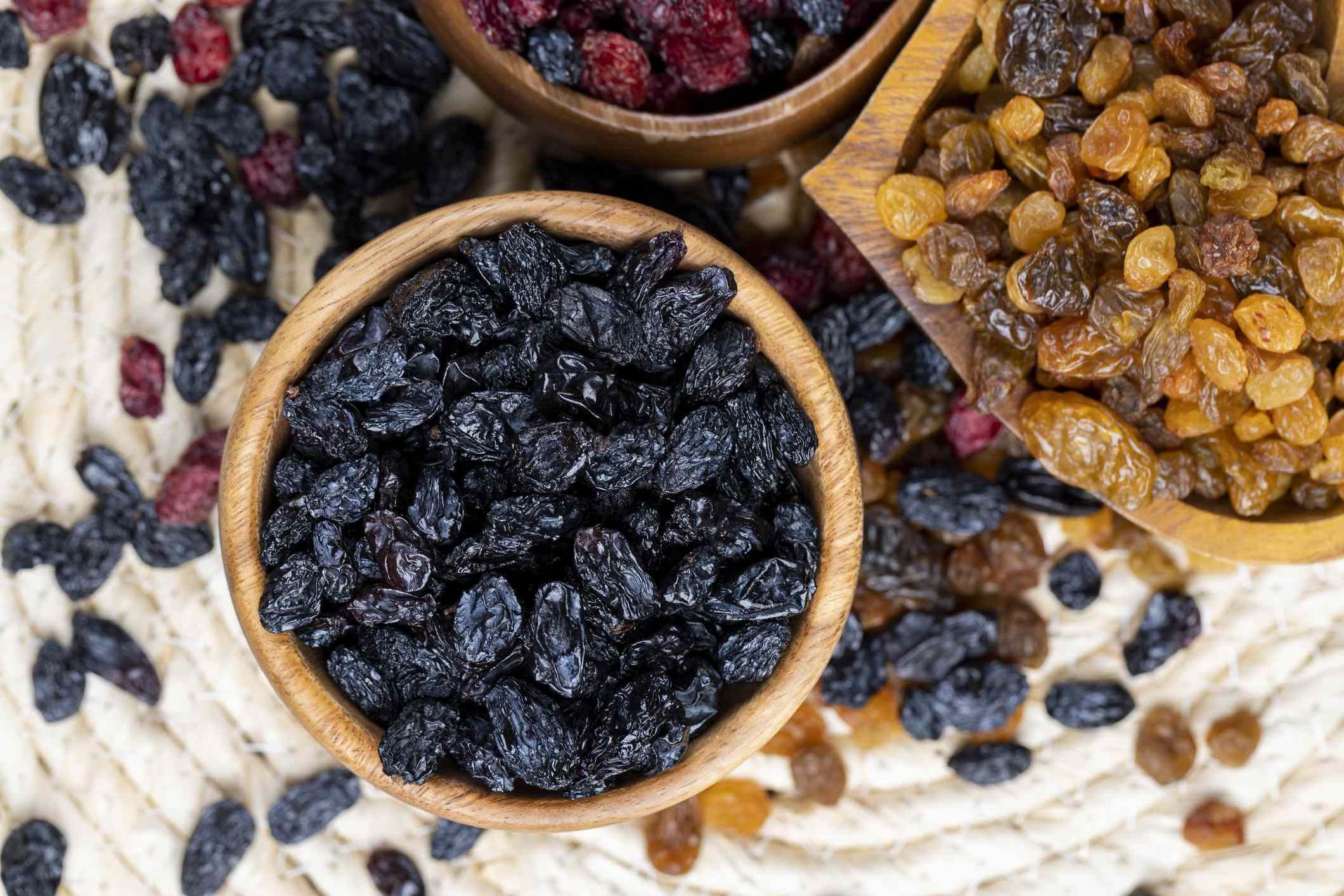
Both raisins and sultanas come from the same Thompson Seedless grape, but processing alters their characteristics. Sultanas are typically sweeter and softer, often coated in oil during drying and treated with sulfur dioxide to maintain their golden color. Dark seedless raisins have higher fiber content and significantly more iron (80% more per 100g serving).
Raisins vs. Currants: Size Matters
Currants, derived from the Black Corinth grape, are much smaller than raisins. While their nutritional profiles are similar, you get more nutrients per volume with currants due to their concentrated size.
Nutritional Breakdown (per 100g of Dark Seedless Raisins)
- Calories: 299
- Fat: 0.25g (0.3% DV)
- Sodium: 26mg (1.1% DV)
- Carbohydrates: 79.3g (28.8% DV)
- Fiber: 4.5g (16.1% DV)
- Protein: 3.3g (6.6% DV)
Drying grapes concentrates antioxidants because they’re packed into a smaller portion. Coating with olive oil before drying may help preserve some nutrients lost during the process.
Potential Risks to Consider
Raisins can trigger allergic reactions in people with grape or sulfite sensitivities. Sulfur dioxide, used as a preservative, can cause severe reactions in those with sulfite allergies. Mold contamination during drying is also possible, posing a risk to those with mold allergies.
In conclusion, regular raisin consumption offers a range of health benefits, from antioxidant protection to improved digestive and bone health. However, awareness of potential allergic reactions and the impact of preservatives is crucial. Enjoying raisins in moderation can be a simple yet effective way to boost your nutrient intake and support overall well-being.