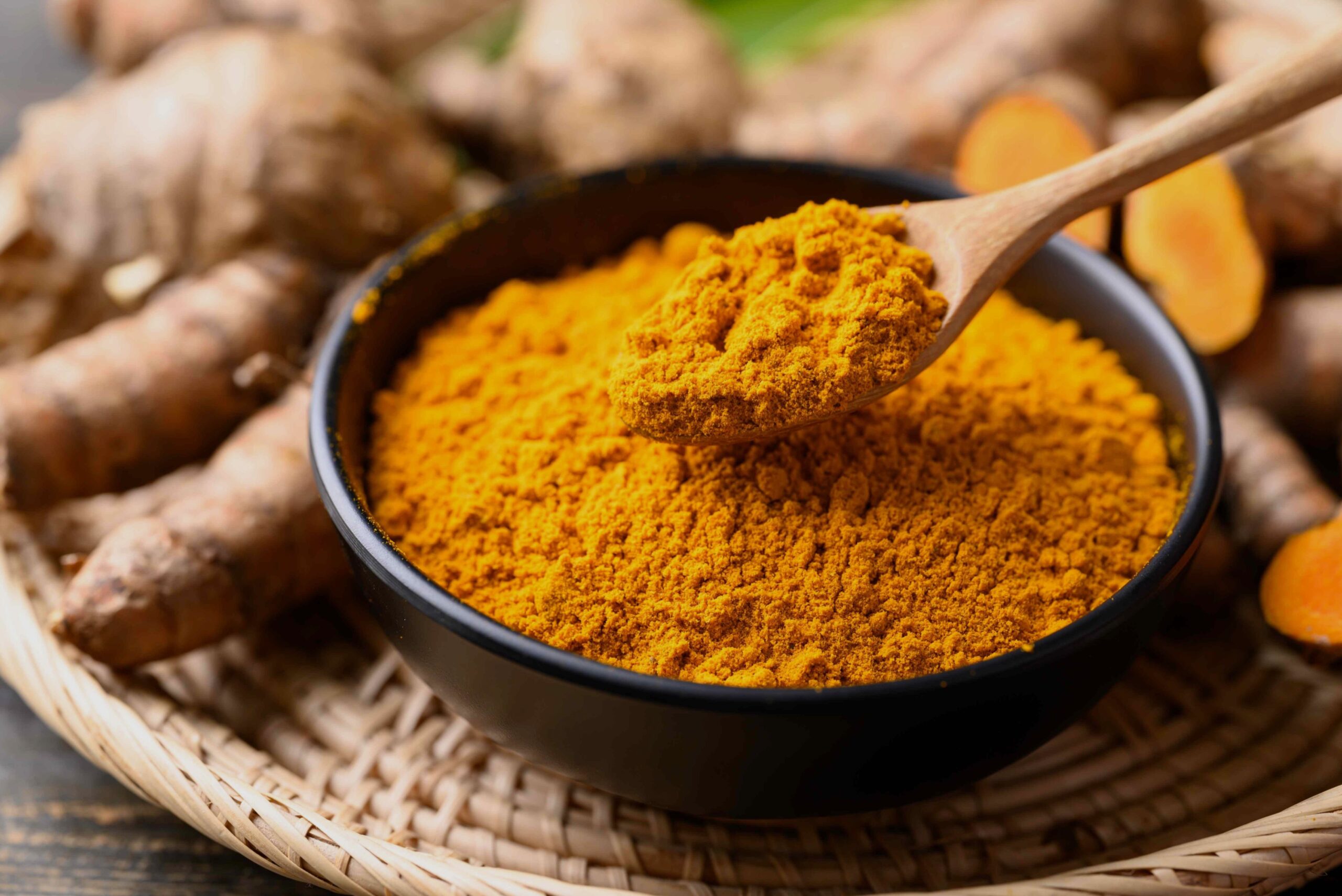
Turmeric, a vibrant yellow spice derived from the Curcuma longa root, has been a cornerstone of traditional medicine and cuisine in Southeast Asia for millennia. Modern research is now confirming what ancient cultures long knew: turmeric, specifically its active compound curcumin, offers a wide range of health benefits. This isn’t just about flavor; it’s about potent antioxidant, anti-inflammatory, and potentially even mood-boosting effects.
Why Turmeric Matters: A Deep Dive
The increasing interest in turmeric isn’t accidental. Chronic inflammation is linked to many modern diseases – from arthritis and heart disease to cancer and neurodegenerative disorders. Traditional treatments often focus on managing symptoms, but curcumin offers a different approach: targeting the root causes of inflammation. This makes turmeric not just a spice, but a potential preventative tool in a world grappling with increasingly complex health challenges.
Key Health Benefits Backed by Science
Here’s a breakdown of the most promising benefits, backed by research:
1. Powerful Antioxidant Action: Curcumin neutralizes harmful free radicals, protecting cells from damage and boosting the body’s natural defenses. This slows down lipid deterioration, reducing cellular decay.
2. Reducing Inflammation: Curcumin actively blocks inflammatory triggers and lowers levels of cytokines, the chemicals that drive inflammation.
3. Wound Healing: Applied topically, curcumin accelerates wound healing by reducing swelling and boosting collagen production.
4. Joint Relief: Studies suggest 250-1500mg of curcumin daily can ease joint pain and stiffness in conditions like rheumatoid arthritis by supporting immunity and clearing dysfunctional immune cells.
5. Heart Health: Curcumin may strengthen blood vessels and improve blood flow, protecting against heart disease.
6. Liver Detoxification: Curcumin supports the liver’s ability to break down toxins and repair itself, enhancing detoxification processes.
7. Allergy Relief: Curcumin can regulate the immune system, reduce inflammation, and minimize histamine release, easing allergy symptoms like hay fever and asthma.
8. Blood Sugar Management: Curcumin may improve insulin sensitivity and lower blood sugar levels in people with type 2 diabetes, but caution is needed when combined with medication.
9. Slowing Aging: By reducing harmful molecules (ROS), preventing DNA damage, and lowering inflammation, curcumin may help slow the aging process.
10. Cancer Prevention: Pre-clinical studies suggest curcumin may inhibit tumor growth by blocking inflammation, cutting off blood supply, and strengthening cell resistance.
11. GERD Relief: Curcumin shows promise in reducing acid reflux damage, particularly when both bile and acid are present.
12. Mood Improvement: Curcumin may restore neurotransmitter activity, potentially easing symptoms of depression.
How to Incorporate Turmeric Safely
While turmeric is generally safe, high doses of curcumin can cause side effects like diarrhea and nausea. The safest approach is to add turmeric to your diet through food. It complements savory dishes like stews, curries, rice, and roasted vegetables. Therapeutic doses in capsule form can range from 250-1500mg over 8-12 weeks, but food-based intake is preferable.
The Takeaway: Turmeric, with its potent curcumin content, is more than just a spice; it’s a powerful natural remedy with the potential to improve overall health, reduce inflammation, and even slow the aging process. While further research is needed, the evidence already points to a compelling case for incorporating this ancient remedy into a modern lifestyle.