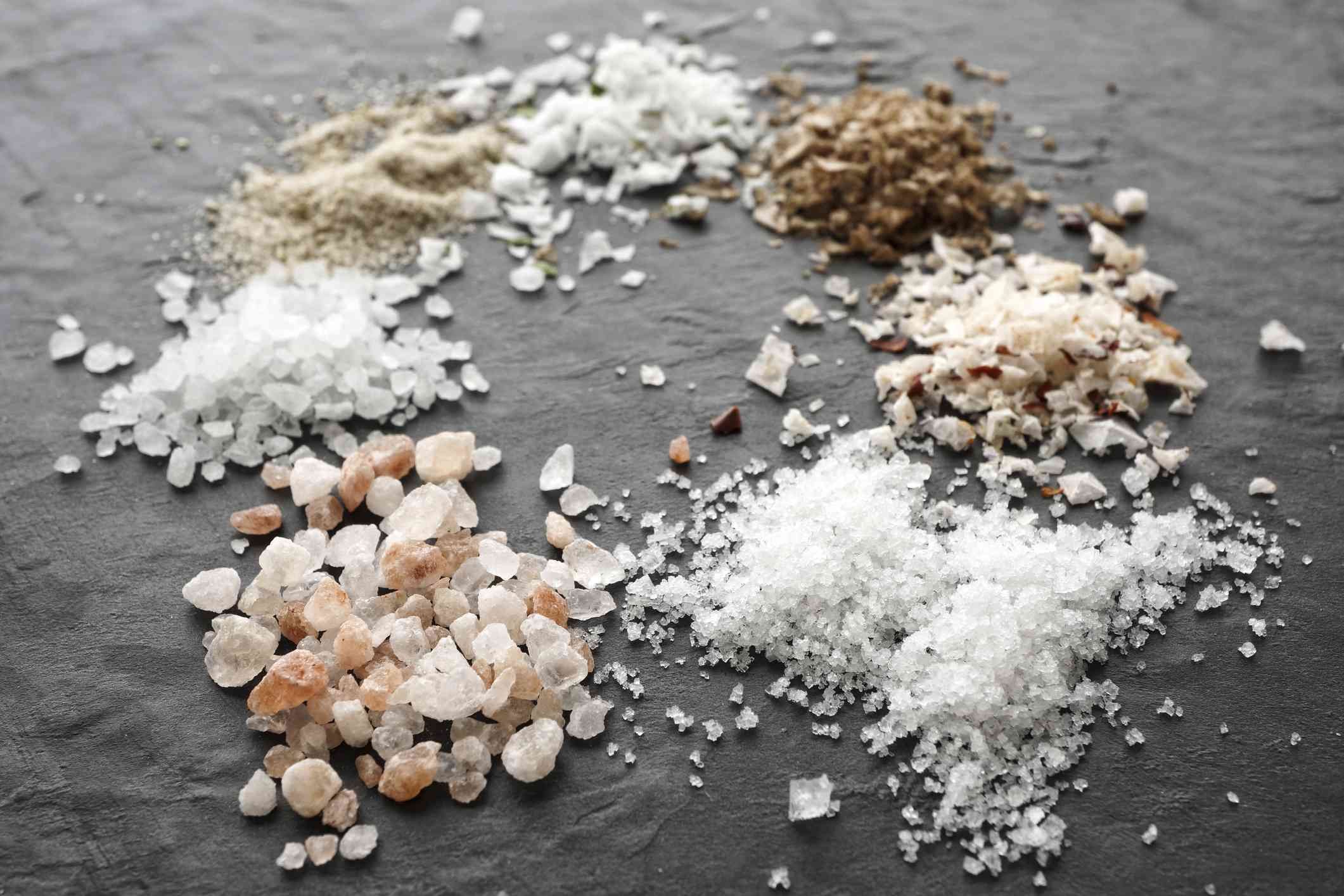
Black salt, also known as kala namak, is gaining popularity as a supposedly healthier alternative to regular table salt. While it does contain trace minerals, the differences in sodium content and overall health benefits are often overstated. This analysis breaks down the facts, clarifying what truly sets these salts apart and whether switching is worthwhile.
Sodium Content: A Marginal Difference
The core claim is that black salt is lower in sodium. Technically, this holds true, but the difference is minimal. The reason? Black salt crystals are larger; a teaspoon contains fewer granules than table salt.
- Per 100 grams: The sodium content is almost identical—around 38,200mg for black salt versus 38,300mg for regular salt.
- Per teaspoon: Black salt has about 420mg of sodium, while table salt contains roughly 2,330mg.
This means that volume for volume, black salt is lower in sodium, but the practical impact on daily intake is small. The American Heart Association recommends limiting sodium to 2,300mg per day; either salt can easily exceed this if used liberally.
Trace Minerals and Health Claims
Black salt retains trace minerals like iron, magnesium, and calcium—elements stripped from refined table salt. However, the amount is too small to provide meaningful health benefits. The difference is not enough to justify choosing one over the other based on nutritional value alone.
Table salt, on the other hand, is often fortified with iodine, a crucial nutrient for thyroid function. Iodine deficiency is a global health concern, making iodized salt an important public health measure. Black salt typically lacks this fortification.
Potential Risks and Considerations
Although the sodium difference is minor, both salts should be used in moderation. Excessive sodium intake increases blood pressure and heart disease risk.
- Fluoride levels: Some black salt contains higher fluoride concentrations, which could contribute to dental fluorosis in children.
- Microplastics: Recent research indicates that black salt may have higher microplastic contamination than marine salts. The long-term health effects of microplastics are still unknown, but this is an emerging concern.
If opting for black salt, ensure you consume iodine-rich foods (fish, dairy, seaweed) to prevent deficiency.
What Is Black Salt?
Black salt’s origins are rooted in traditional Ayurvedic medicine, where it was believed to aid digestion. Historically, it was made by combining Himalayan pink salt with herbs and spices heated at high temperatures.
Today, most black salt is manufactured by mixing sodium chloride with sodium sulfate, sodium bisulfate, ferric sulfate, and charcoal. This process gives it a distinctive sulfurous flavor. The traditional preparation methods are less common.
Conclusion
Black salt and table salt are similar in sodium content, with only a marginal difference. While black salt contains trace minerals, their impact on health is negligible. The choice between the two largely comes down to taste preference, dietary needs (iodine intake), and awareness of potential contaminants like microplastics. Neither salt is inherently “healthier” – moderation is key.