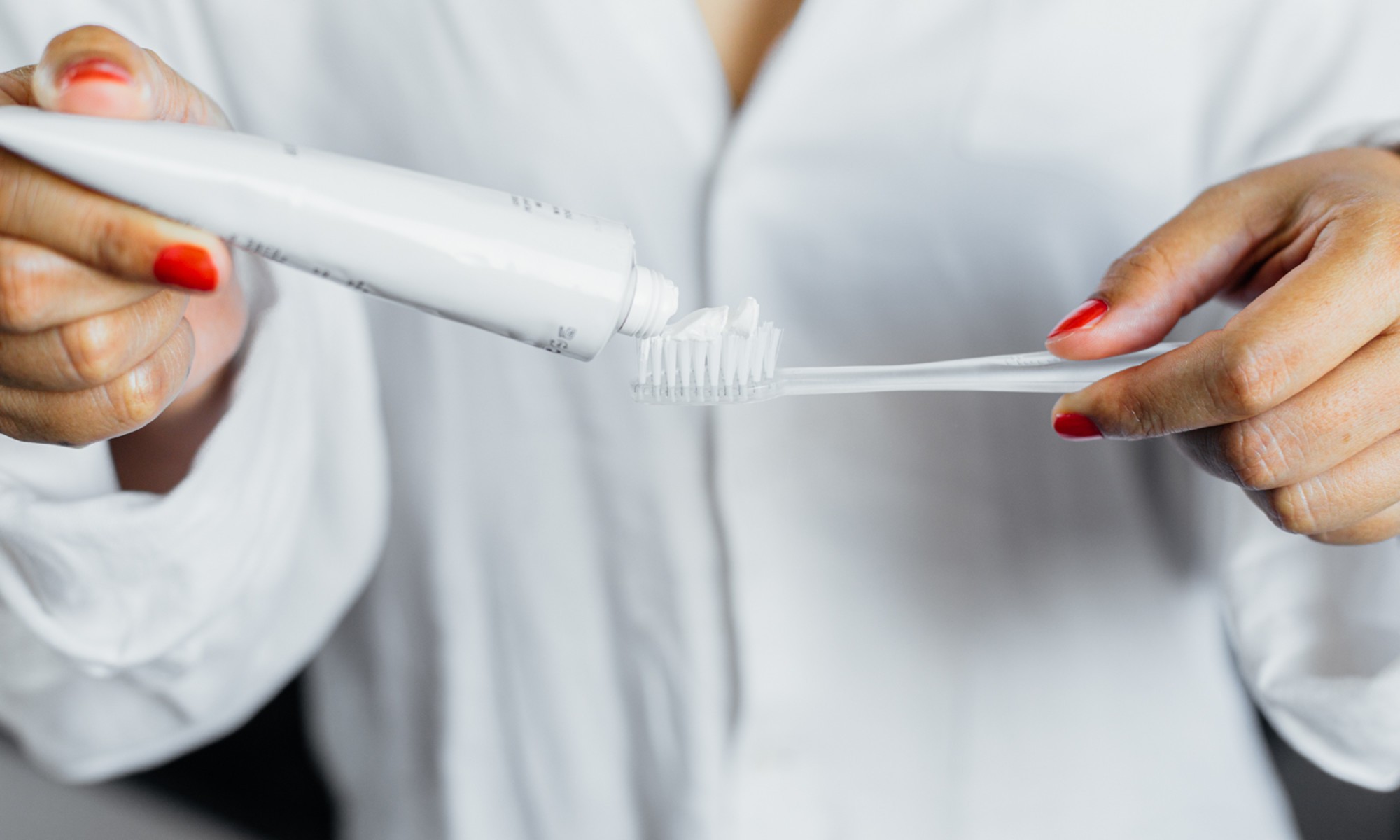
According to memory coach Jim Kwik, starting your day by brushing your teeth with your non-dominant hand is a simple yet surprisingly effective way to boost brain health. This isn’t about dental hygiene; it’s about neurological stimulation.
Why This Matters 💡
Our brains thrive on novelty. Using your non-dominant hand forces a different part of your brain to engage in a familiar task, creating new neural connections. This small challenge isn’t just about motor skills; it’s about cognitive flexibility. In a world of automation, forcing yourself to think outside the routine can sharpen focus and improve mindfulness.
The Science Behind It 🔬
Kwik explains that this habit promotes presence. Instead of letting your mind wander to daily tasks or past events, brushing with the opposite hand pulls you into the moment. This creates an unintentional mindfulness session, setting the stage for better concentration throughout the day.
Beyond Toothbrushing 🪥
The principle applies beyond oral hygiene. Other brain-boosting exercises include:
– Walking backward (safely) 🚶
– Navigating without GPS 🗺️
– Eating with your opposite hand 🍴
– Learning a new language 🗣️
The Takeaway 📝
A minor change, like brushing with your non-dominant hand, can yield significant benefits. The key is to challenge your brain in small, deliberate ways. These exercises aren’t about overwhelming yourself, but about consistently stimulating cognitive function. A little mindfulness challenge can be more powerful than you think.
By starting with one small habit, you can prime your brain for success, sharpening focus and improving mental clarity throughout the day.