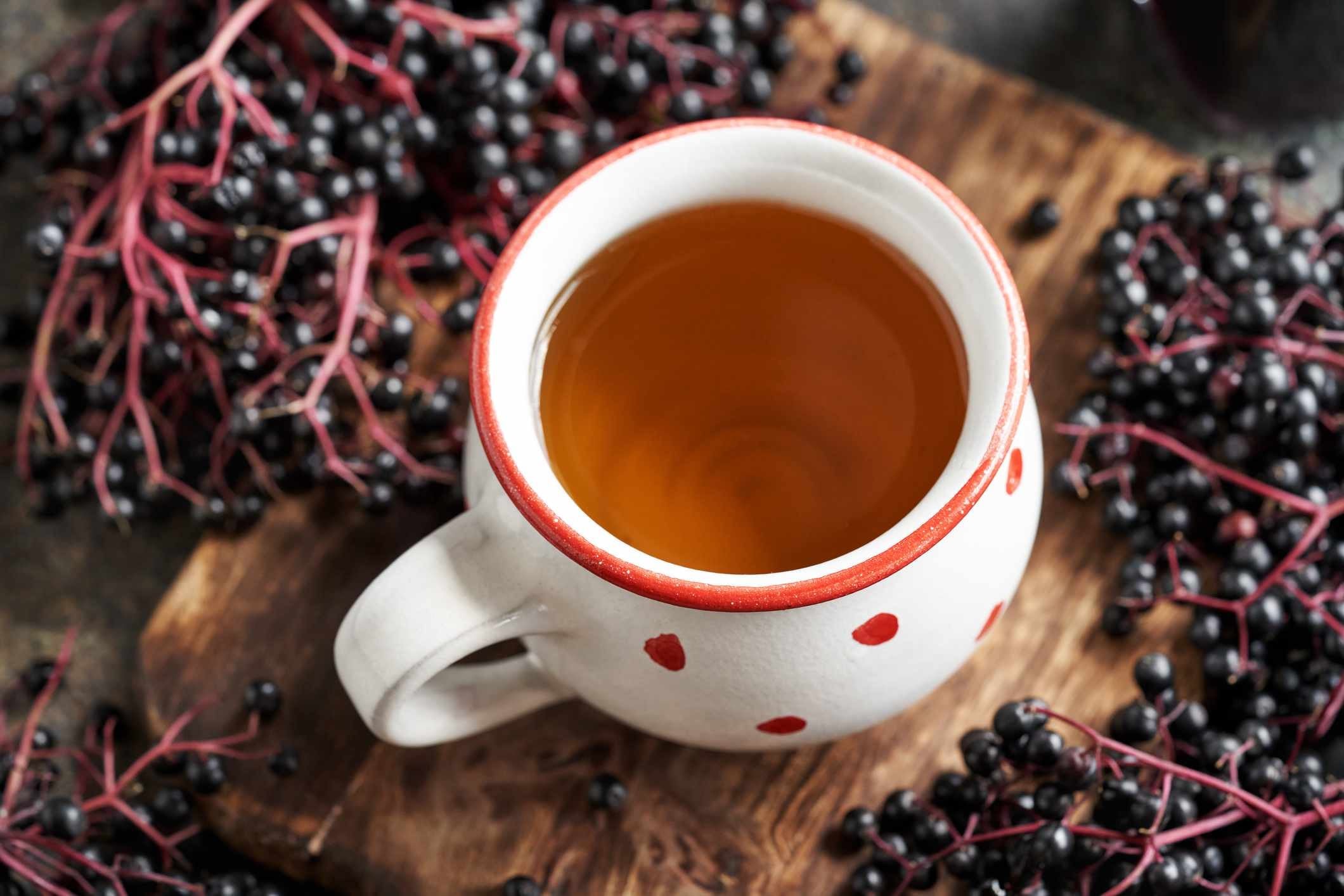
Elderberry tea, brewed from the dark purple berries of the European elder tree (Sambucus nigra ), has a long history as a traditional remedy for colds and flu. While modern medicine has expanded its uses, the core benefit remains: elderberry supports the immune system during viral infections and beyond. This article explains how, why it matters, and who should be cautious about using it.
How Elderberry Tea Works: Shortening Colds and Fighting Viruses
The most immediate effect of elderberry tea is symptom relief from common respiratory illnesses. Research shows that elderberry compounds can reduce the duration and severity of colds by up to 50% when taken early in the illness. This isn’t just anecdotal; studies from 2020 and 2023 confirm that elderberry extract, lozenges, or even a simple tea can ease:
- Cough
- Nasal congestion
- Headache
- Fever
- Body aches
However, the impact goes beyond symptom management. Elderberry contains antiviral properties that directly interfere with viral replication. One study found that elderberry juice prevented the FluA H1N1 strain from spreading in the body, demonstrating its potential to stop infections in their tracks. It may also protect against bronchitis-causing viruses.
The exact mechanism is still under investigation, but elderberry appears to disrupt the virus’s ability to infect cells, giving your immune system a crucial head start.
Beyond Immunity: Antioxidants and Anti-Inflammation
Elderberry isn’t just about fighting off immediate infections. The berries are packed with antioxidants—flavanols, anthocyanins, and phenolic acids—that protect against long-term chronic disease. These compounds neutralize harmful free radicals, reducing oxidative stress that contributes to aging and illness.
Crucially, elderberry also delivers significant anti-inflammatory benefits. This can alleviate symptoms during a respiratory illness, but also suggests potential for managing chronic inflammatory conditions like autoimmune disorders. While more research is needed, elderberry’s anti-inflammatory properties position it as a holistic health tool.
Who Should Be Cautious?
Elderberry tea isn’t for everyone. The most important point is this: elderberry can interact with certain medications. Always consult with a doctor before drinking elderberry tea if you’re taking any prescription drugs.
Pregnant or breastfeeding women should also avoid elderberry, as there’s no conclusive safety data for these groups. Infants should not be given elderberry either. These are not just cautions, they are facts that must be respected.
Maximizing the Benefits
To enhance elderberry tea’s effects, consider combining it with other immune-boosting ingredients. Adding honey, ginger, or lemon can further support your body’s natural defenses. But the most important factor is timing: elderberry is most effective when taken at the first sign of illness.
In conclusion, elderberry tea is more than just a folk remedy. It’s a potent natural aid that can shorten colds, fight viruses, and support long-term health—but should be used responsibly and with awareness of its limitations.