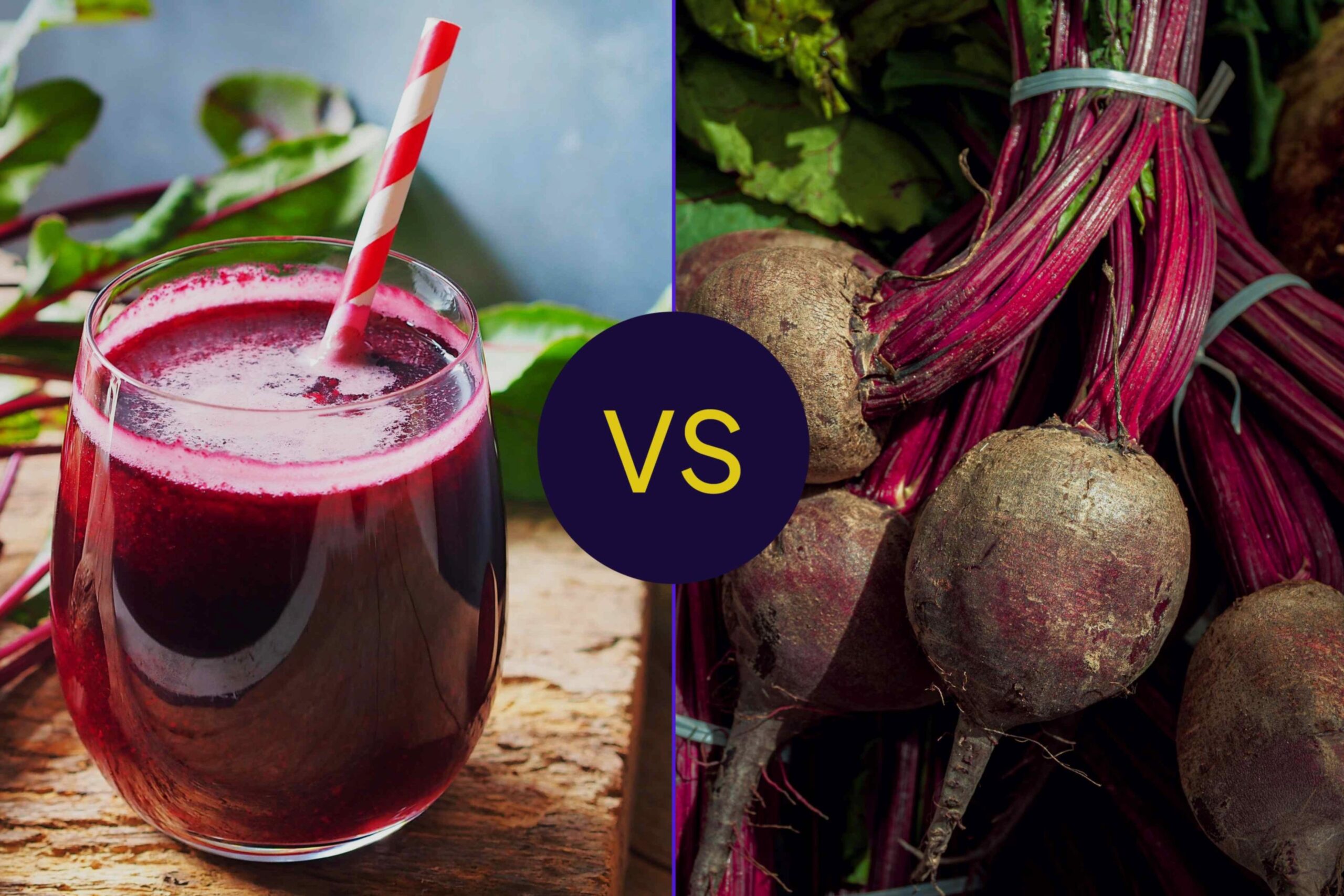
Both beet juice and whole beets offer distinct advantages for lowering blood pressure and improving cardiovascular function. While beet juice delivers a more concentrated dose of blood pressure-reducing compounds, whole beets provide additional heart-healthy fiber, creating a trade-off in benefit delivery. Understanding these differences allows for informed dietary choices tailored to individual needs and goals.
The Science Behind Beets and Blood Pressure
Beets contain naturally occurring nitrates, which the body converts into nitric oxide. Nitric oxide relaxes blood vessels, improving blood flow and reducing blood pressure. Beet juice, due to its concentrated nature, may yield faster and more noticeable results, with studies showing reductions in systolic blood pressure within hours of consumption. However, these effects are often temporary; consistent intake is crucial for sustained benefits.
One study on individuals with hypertension found that beet juice effectively lowered systolic blood pressure, though its impact on diastolic readings was less significant. Another review confirmed consistent reductions in both systolic and diastolic blood pressure among participants who regularly consumed beet juice. For optimal results, research suggests drinking approximately 250 milliliters (one cup) daily for at least 60 days.
The Role of Nitrates, Antioxidants, and Potassium
The effectiveness of beets stems from a combination of key compounds:
- Nitrates: Convert to nitric oxide, dilating blood vessels for improved circulation.
- Antioxidants: Reduce inflammation, protecting blood vessel function (betalains give beets their color).
- Potassium: Counteracts sodium’s effects, easing strain on blood vessel walls.
These compounds work synergistically to promote healthier blood pressure levels, especially for those with hypertension.
Why Whole Beets Offer a Unique Advantage
While beet juice provides a concentrated nitrate boost, whole beets stand out due to their fiber content. One hundred grams of cooked beets contain roughly twice the fiber of beet juice. Fiber offers additional cardiovascular benefits:
- Cholesterol Reduction: Fiber limits cholesterol absorption, lowering “bad” LDL levels.
- Blood Sugar Stability: Slows digestion, preventing spikes that harm blood vessels.
- Gut Health: Feeds beneficial bacteria, producing short-chain fatty acids linked to healthier blood pressure and reduced inflammation.
Practical Incorporation into Your Diet
To maximize benefits, consider these guidelines:
- Beet Juice: Consume 250 milliliters (one cup) daily for consistent results.
- Whole Beets: Aim for 120 grams of raw beets or slightly more cooked beets to reach approximately 300-350 milligrams of dietary nitrates daily.
Consistency is key. Studies suggest that blood pressure benefits only emerge after several weeks of regular beet or beet juice consumption.
Ultimately, integrating either beet juice or whole beets into a long-term dietary plan offers a simple yet effective way to support cardiovascular health. The choice depends on individual preferences and whether immediate nitrate concentration or sustained fiber intake is prioritized.