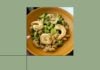
While beef is a well-known source of vitamin B12, several other foods offer significantly higher concentrations of this essential nutrient. Vitamin B12 (cobalamin) is crucial for nerve function, red blood cell production, and DNA synthesis. A typical 3.5-ounce serving of beef provides roughly 4.8 micrograms (mcg) of B12 – about 200% of the recommended daily value (DV). However, many less-common foods dramatically exceed this amount.
The Top Contenders: A Nutrient Breakdown
Here’s a look at seven foods that deliver more B12 than beef, with serving sizes based on typical consumption:
- Clams: A 3-ounce cooked serving packs an astounding 84.1 mcg (3,504% DV). Beyond B12, clams are rich in protein, vitamin C, folate, calcium, and healthy polyunsaturated fats that support heart and immune health.
- Animal Liver: Lamb, veal, and beef liver are B12 powerhouses, with 3 ounces containing 60-72.8 mcg (2,500-3,033% DV). Liver also delivers protein, magnesium, potassium, selenium, and vitamins A and B3. Consumption should be moderate due to its high cholesterol content.
- Animal Kidney: Veal and lamb kidneys provide 31.4-67.1 mcg (1,308-2,796% DV) per 3 ounces. These organs are nutrient-dense, offering essential amino acids, iron, selenium, zinc, copper, phosphorus, and omega-3 fatty acids.
- Oysters: Three ounces of cooked oysters contain 24.5 mcg (1,021% DV) of B12, along with high levels of zinc – exceeding beef by over 800%. Oysters are versatile and provide electrolytes and minerals.
- Mussels: Similar to clams, mussels offer 20.4 mcg (850% DV) in a 3-ounce serving. They’re also a good source of lean protein, potassium, selenium, vitamin C, and folate, with research suggesting potential medicinal properties.
- Crab: A 3-ounce portion of cooked crab delivers 9.78 mcg (408% DV) of B12, alongside protein, sodium, phosphorus, potassium, magnesium, vitamin C, and calcium.
- Fatty Fish: Sardines, trout, and salmon are excellent sources. Sardines lead with 7.59 mcg (316% DV) per 3 ounces, while trout and salmon provide 5.36 mcg (223% DV) and 3.8 mcg (158% DV), respectively. The American Heart Association recommends eating fatty fish at least twice weekly for heart health.
Beyond Animal Sources: Ensuring Adequate Intake
Vitamin B12 is predominantly found in animal products, but vegans and vegetarians can obtain it through fortified cereals or supplements. Beef provides 1.6 mcg (66% DV) in a 3-ounce serving, and milk offers 1.5 mcg (62% DV) per cup.
Ultimately, diversifying your diet with nutrient-rich foods – whether from the sea, land, or fortified sources – is the most effective way to ensure sufficient vitamin B12 levels.