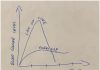
Metastatic breast cancer (MBC) treatment, particularly chemotherapy, often leads to neutropenia : a dangerous drop in infection-fighting white blood cells. This weakens the immune system, making even ordinary foods potentially hazardous. Proper nutrition is vital, but safety must come first.
Why This Matters: Chemotherapy doesn’t just kill cancer cells; it also damages healthy cells, including those crucial for immunity. A weakened immune system means everyday bacteria in food can cause severe illness. The risk isn’t theoretical; it’s a direct consequence of the treatment.
Protecting Yourself Through Food Preparation
The key to eating safely with neutropenia is strict hygiene and thorough cooking. The U.S. Department of Agriculture has detailed guidelines, but here are the essentials:
- Handwashing: Wash hands with soap and warm water for at least 20 seconds before and after handling food. This includes after using the restroom, touching pets, or changing diapers.
- Clean Tools: Disinfect cutting boards and countertops with a bleach solution (1 tablespoon per gallon of water) or run them through a dishwasher.
- Avoid Cross-Contamination: Use separate cutting boards for raw meats and produce. Never let raw meat touch cooked food.
- Cook Thoroughly: Use a meat thermometer to ensure food reaches safe temperatures:
- Ground beef/poultry: 160°F/165°F
- Seafood: 145°F (or until shells turn red/open)
- Eggs: 160°F
- Reheated leftovers: 165°F
- Refrigerate Promptly: Refrigerate or freeze perishable foods within two hours of cooking or purchase. Don’t leave food at room temperature for more than one hour if it’s hot out.
Foods to Avoid (or Prepare Carefully)
Certain foods pose a higher risk for someone with a weakened immune system. It’s best to avoid:
- Raw or undercooked meats, poultry, and fish
- Unpasteurized dairy (soft cheeses like Brie, Camembert, goat cheese)
- Raw eggs
- Sushi and smoked seafood
- Sprouts (alfalfa, bean, broccoli)
- Unpasteurized juices and honey
The Neutropenic Diet: What You Need to Know
The restrictive “neutropenic diet” – once common practice – is now largely outdated. Research shows it doesn’t necessarily improve outcomes and can lead to nutrient deficiencies. Today, healthcare professionals recommend basic food safety practices instead.
Nutritional Support During Treatment
Beyond safety, focus on a balanced diet to support recovery. This means:
- Protein: Essential for rebuilding white blood cells.
- Healthy Fats: Provide energy and aid absorption.
- Fiber-Rich Carbohydrates: Support gut health and energy levels.
Example Meal Ideas:
- Breakfast: Oatmeal with yogurt and fruit, or hard-boiled eggs on toast with avocado.
- Lunch: Grilled chicken with rice and beans, or a whole-grain tortilla wrap with lean meat and low-fat cheese.
- Dinner: Vegetable soup or grilled chicken kabobs.
“The goal isn’t deprivation; it’s smart eating. Focus on cooking food safely and getting enough nutrients to support your body during treatment.” – Cara Anselmo, RDN, Memorial Sloan Kettering Cancer Center
Conclusion: Metastatic breast cancer treatment can severely weaken the immune system, making foodborne illness a serious risk. By prioritizing food safety, cooking thoroughly, and avoiding high-risk foods, you can eat safely and support your body’s recovery. Consulting a registered dietitian can help tailor a safe and nutritious meal plan to your specific needs.