The liver is often referred to as the body’s “detoxification factory.” As the largest internal organ, it manages everything from digestion and metabolism to blood clotting and toxin filtration. However, there is a dangerous catch: the liver is a “quiet” organ.
Unlike many other organs that signal distress through immediate pain, the liver can sustain significant damage for years—sometimes decades—before showing obvious symptoms. This biological resilience can be a double-edged sword, allowing disease to progress silently until it reaches an advanced stage.
🚩 Red Flags: Recognizing the Signs of Trouble
Because the liver doesn’t always “scream” when it is hurting, you must look for subtle physical changes. While many symptoms can overlap with other conditions, the following are key indicators that your liver may be struggling:
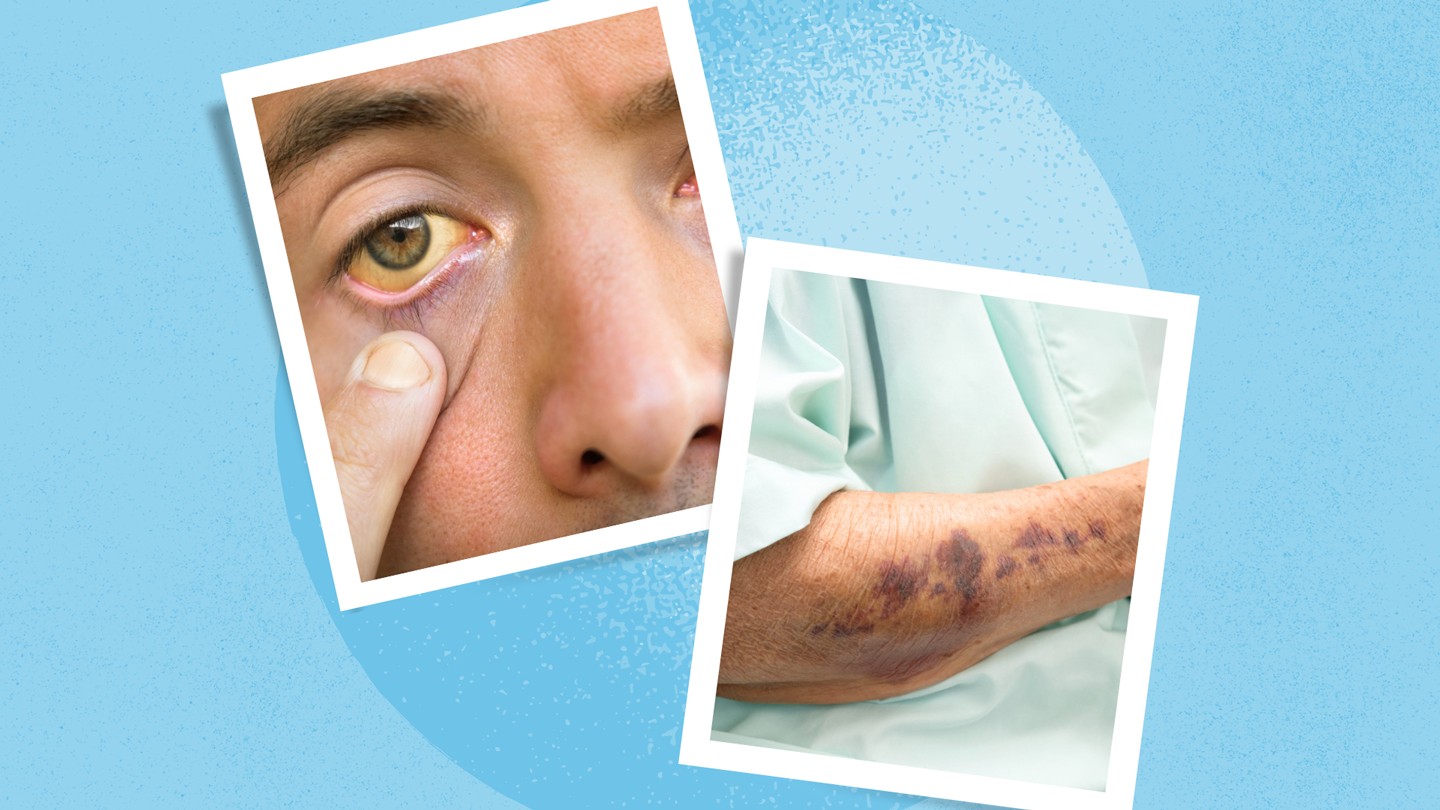
- Jaundice: A yellowing of the skin or the whites of the eyes caused by a buildup of bilirubin, a pigment that the liver is failing to process.
- Unexplained Fatigue: Instead of sharp pain, liver inflammation often manifests as persistent exhaustion or cognitive issues, such as memory deficits and lack of focus.
- Changes in Stool: Healthy bile keeps stool brown. If bile production is blocked or reduced, stools may appear pale or clay-colored.
- Easy Bruising: A damaged liver may struggle to produce the proteins necessary for blood clotting, leading to frequent or unexplained bruises.
- Abdominal Swelling: Increased pressure in the abdominal cavity can cause fluid buildup, resulting in a visibly swollen stomach.
🧪 Understanding Clinical Markers
If you suspect an issue or belong to a high-risk group, doctors use Liver Function Tests (LFTs) to see what is happening beneath the surface. These blood tests measure specific substances that act as “smoke detectors” for liver damage:
- ALT & AST: These are enzymes (proteins) that help with metabolism. When liver cells are stressed or damaged, they leak these enzymes into the bloodstream.
- Bilirubin: High levels in the blood suggest the liver is not effectively removing this pigment from the body.
- Albumin: This protein keeps fluid from leaking out of your blood vessels. Low levels can indicate that the liver’s manufacturing capabilities are declining.
🛡️ Prevention: The Power of Lifestyle
The most effective way to manage liver health is not through “special” treatments, but through consistent, healthy living. Because liver disease is increasingly linked to metabolic issues, your daily habits are your best defense.
Diet and Weight Management
The rise of Metabolic Dysfunction-Associated Steatotic Liver Disease (MASLD) —formerly known as nonalcoholic fatty liver disease—highlights the link between weight and liver health.
* The Impact of Weight: Losing even 3% to 5% of your body weight can improve fatty liver symptoms, while a 7% to 10% loss can help manage more severe inflammation (MASH).
* Nutritional Focus: Prioritize whole grains, fruits, and vegetables while monitoring portion sizes and limiting excessive fats.
Alcohol Consumption
Alcohol remains a primary driver of liver damage. The liver can only process small amounts of alcohol at a time; exceeding this capacity leads to fat accumulation and cell damage.
* Risk Thresholds: Generally, exceeding two drinks a day for men or one for women increases risk. Binge drinking significantly accelerates the damage.
* Expert Advice: For those with existing liver issues, total abstinence is often the only way to prevent further decline.
Physical Activity
Regular exercise—ideally 150 minutes of moderate intensity per week —boosts metabolism and improves insulin sensitivity. This helps the liver break down fats more efficiently, reducing inflammation and fat buildup.
💡 The Broader Context: A Growing Trend
We are currently seeing a concerning trend: a rise in liver disease among younger populations and those with metabolic conditions like Type 2 diabetes. In fact, an estimated 70% of people with Type 2 diabetes also have liver disease. As obesity and diabetes rates climb, the “silent” nature of liver damage makes proactive screening more critical than ever.
Conclusion: Because the liver can hide damage for years, waiting for pain to act is a dangerous strategy. By maintaining a healthy weight, limiting alcohol, and staying active, you can protect this vital “factory” before it reaches a breaking point.