Atopic dermatitis, commonly known as eczema, is a chronic inflammatory skin condition affecting people of all backgrounds. However, research consistently demonstrates a higher prevalence in communities of color, particularly among Black children. This isn’t merely a statistical difference; it reflects complex interactions between genetics, environment, and access to care. Understanding why these disparities exist is crucial for improving diagnosis, treatment, and overall health equity.
Unequal Burden: The Numbers Tell the Story
The numbers are striking: nearly 19.3% of Black children in the United States experience atopic dermatitis, compared to 16.1% of White children and 7.8% of Hispanic children. Furthermore, Asian and Pacific Islander individuals are seven times more likely to receive a diagnosis during a doctor’s visit than White patients. These figures aren’t random; they point to systemic factors that make certain populations more vulnerable.
Why Disparities Occur: A Multifaceted Problem
The reasons behind these differences are not simple. They include genetic predispositions, immune system variations, and environmental exposures. Genetic mutations affecting skin barrier proteins (like filaggrin) are common, though research suggests they are more prevalent in White populations. However, individuals with darker skin tones tend to have higher rates of transepidermal water loss (TEWL) – meaning they lose moisture faster – and lower levels of protective skin lipids called ceramides. This combination makes their skin more susceptible to dryness and inflammation, key triggers for eczema.
Environmental factors also play a significant role. Children of color, particularly Black children, are more likely to live in urban areas with higher pollution levels (from traffic and industry) and exposure to allergens like dust and mold. Socioeconomic barriers, including limited access to healthcare and specialized dermatology, further exacerbate the problem, delaying diagnosis and effective management.
Recognizing the Condition in Skin of Color
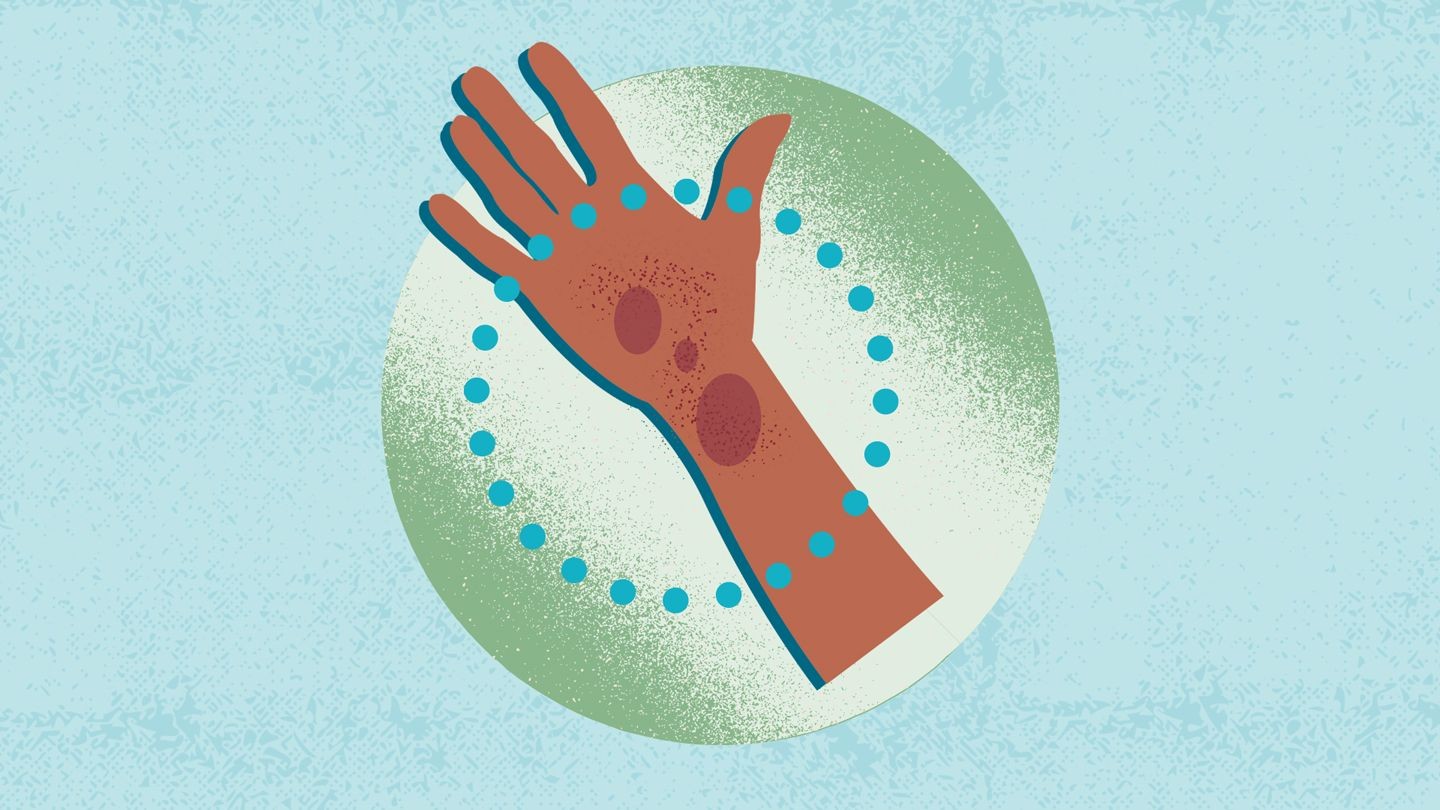
Diagnosing atopic dermatitis in darker skin tones can be challenging. Traditional signs like redness (erythema) are less visible, making inflammation harder to assess. Instead of bright red rashes seen in lighter skin, eczema may present as purplish bruises or darker brown patches. After healing, the skin often develops hyperpigmentation, leaving behind darker discoloration. In Black patients, small bumps (papular lesions) and accentuation around hair follicles are also more common.
Effective Treatment: What Works for Everyone
Treatment options remain consistent across skin tones: topical steroids, antihistamines, light therapy, and systemic medications. However, recognizing the unique presentation of eczema in skin of color is critical. Dermatologists specializing in diverse skin conditions are best equipped to provide accurate diagnoses and personalized care.
Beyond Treatment: Prevention and Equity
Addressing this health disparity requires a holistic approach:
- Early diagnosis: Raising awareness among healthcare providers and communities of color.
- Environmental justice: Reducing pollution in high-risk areas.
- Improved access to care: Expanding insurance coverage and specialized dermatology services.
- Culturally competent care: Ensuring healthcare providers understand the nuances of skin conditions in different racial groups.
Atopic dermatitis is a treatable condition, but disparities in prevalence and outcomes highlight the urgent need for systemic change. By acknowledging these differences and addressing the root causes, we can move toward more equitable healthcare for all.