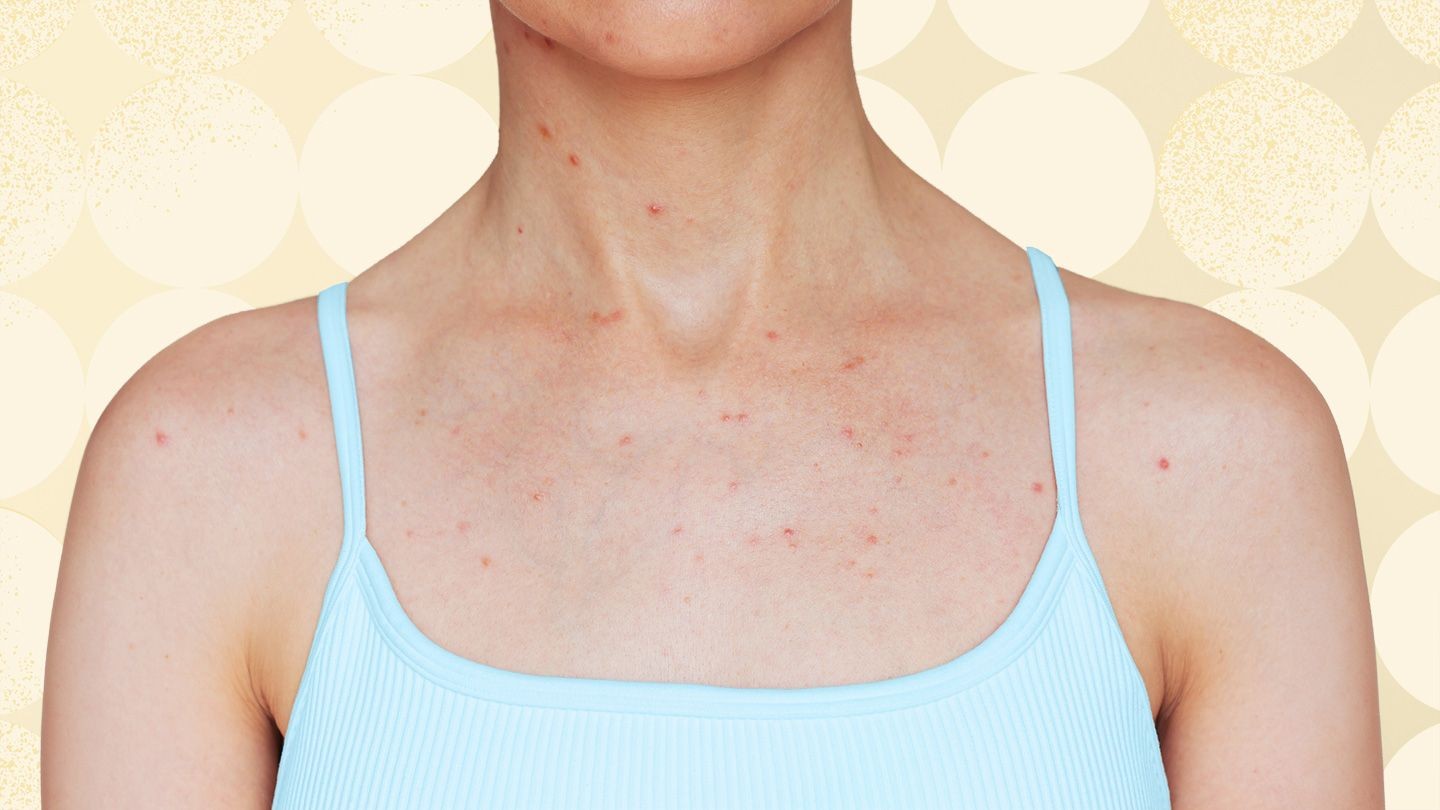
Acne isn’t limited to the face; roughly half of those who experience facial breakouts also deal with body acne on areas like the chest and back. Understanding where and why these breakouts occur is the first step toward effective management.
Common Areas for Body Acne
Just like facial skin, the chest, shoulders, back, and buttocks have oil glands prone to clogging and inflammation. Several factors contribute to body acne, including genetics, hormonal shifts, and underlying conditions like polycystic ovary syndrome (PCOS). While some causes are beyond control, treatments exist to clear skin and prevent future breakouts.
The Back: The back’s high density of oil glands and thicker skin makes it a hotspot for clogged pores. Friction from tight clothing, backpacks, or straps can worsen irritation. Breakouts on the back can manifest as blackheads, whiteheads, inflamed pimples, painful nodules, or pus-filled cysts.
The Chest: Chest acne commonly takes the form of acne vulgaris — lesions caused by clogged hair follicles with oil, dead skin cells, and bacteria. Another type is fungal acne, appearing as tiny red bumps that can evolve into whiteheads. This happens when Malassezia yeast infects hair follicles, often triggered by chafing, tight clothing, or moisture.
The Neck: Neck acne can be persistent due to its oil gland concentration, making it susceptible to hormonal fluctuations. Women may see breakouts correlating with their menstrual cycles. Accessories like collars or scarves and hair products migrating onto the neck can also contribute to clogged pores.
The Buttocks: Commonly known as “buttne”, breakouts on the buttocks are often caused by folliculitis — inflamed hair follicles from friction, like prolonged sitting. Tight underwear or leggings can exacerbate the problem.
Arms and Thighs: Friction from clothing often causes acne on arms and thighs. These breakouts can sometimes be mistaken for keratosis pilaris (often called “chicken skin”) — a harmless condition with tiny bumps. Accurate diagnosis is vital for proper treatment.
When to Seek Professional Help
While home treatments can help, consulting a board-certified dermatologist is advisable for unknown causes, painful cysts, scarring, or lack of improvement after consistent treatment for two to three months.
Body acne is common, but understanding the cause is key to effective treatment. Don’t hesitate to seek professional guidance if needed.
Lifestyle adjustments, topical treatments, prescription medications, and in-office procedures can help manage body acne. If you’re unsure of the cause of your breakouts, a dermatologist can identify the underlying issue and recommend the best course of action.