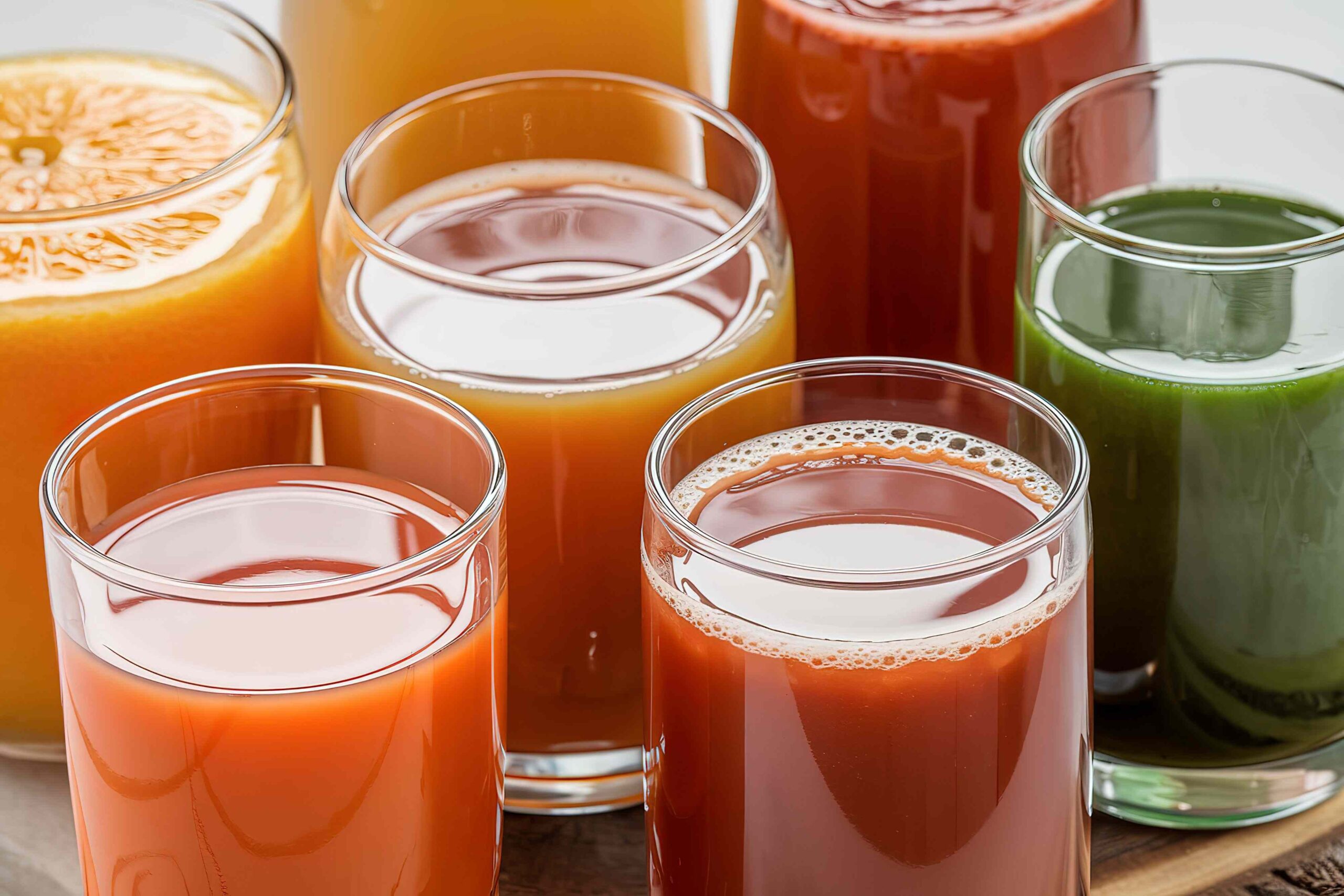
Maintaining healthy blood pressure is crucial for overall well-being, and diet plays a significant role. Potassium helps counter the effects of sodium, which can contribute to water retention and elevated blood pressure. Incorporating potassium-rich drinks into your routine is a simple yet effective strategy. This article details nine beverages that provide substantial amounts of potassium, along with supporting research and insights.
1. Prune Juice: A Natural Blood Pressure Regulator
One cup of prune juice delivers approximately 707 milligrams (mg) of potassium, representing 15% of the recommended daily intake. Beyond potassium, prune juice is packed with iron, magnesium, fiber, and antioxidants. Studies suggest regular consumption can lower blood pressure and potentially reduce cholesterol levels. Its high fiber content also makes it a natural remedy for constipation, promoting gut health through polyphenols.
2. Carrot Juice: Vitamin-Rich Heart Support
Carrot juice provides 689 mg of potassium per cup, alongside vitamins A, C, and E. These vitamins act as antioxidants, supporting cardiovascular health. Recent research indicates that vitamin A and E-rich juices can improve blood flow and lower cholesterol, while vitamin C intake is linked to a reduced risk of heart disease.
3. Pomegranate Juice: A Powerful Blood Vessel Relaxant
A single cup of pomegranate juice contains 533 mg of potassium. A 2023 review found that drinking roughly 10 ounces daily may lower systolic blood pressure (the top reading). Larger quantities could further reduce diastolic pressure. The juice’s polyphenols are believed to relax blood vessels and improve circulation, potentially increasing “good” HDL cholesterol levels.
4. Tomato Juice: Lycopene’s Blood Pressure Benefits
Low-sodium tomato juice offers 527 mg of potassium per cup, plus the antioxidant lycopene. Lycopene blocks angiotensin II (a blood vessel constrictor) and promotes nitric oxide production (a blood vessel relaxant), effectively lowering blood pressure.
5. Orange Juice: Antioxidant-Packed Blood Pressure Aid
Fortified orange juice provides 443 mg of potassium per cup, alongside hesperidin and narirutin, which reduce inflammation. A 2020 study linked daily orange juice consumption to lower blood pressure. The added minerals in fortified juice enhance its potassium content, making it a convenient option.
6. Coconut Water: Electrolyte-Rich Hydration
Coconut water contains 404 mg of potassium per cup, along with calcium and magnesium. These electrolytes help regulate blood sugar and may reduce type 2 diabetes risk. It’s also an excellent post-workout recovery drink, replenishing lost electrolytes.
7. Milk: Potassium, Calcium, and Sleep Support
One cup of milk offers 390 mg of potassium, plus calcium and protein. Milk also contains tryptophan, an amino acid that promotes serotonin and melatonin production, improving sleep quality. Given that sleep disturbances can contribute to hypertension, this makes milk a supportive addition to a healthy lifestyle.
8. Vegetable Juice: Nutrient Density for Heart Health
Vegetable juice provides 248 mg of potassium per cup, along with essential vitamins and minerals. Choosing low-sodium options is crucial for those with blood pressure concerns. Green vegetable juices may reduce inflammation, lowering the risk of heart disease and hypertension.
9. Coffee: Potassium and Cognitive Benefits
Coffee contains 124 mg of potassium per cup, along with antioxidants. Beyond its energy-boosting effects, coffee may improve concentration and offer protection against dementia. Regular coffee drinkers may have a reduced risk of stroke and cognitive decline.
Maximize Potassium Intake Beyond Drinks
While these beverages are beneficial, whole fruits and vegetables offer a larger potassium dose. Prioritize these foods in your diet:
- Fruits: Prunes, apricots, cantaloupe, kiwifruit, guava
- Vegetables: Spinach, potatoes, acorn squash, beet greens, Swiss chard, water chestnuts
- Dairy: Yogurt, kefir, milk
- Proteins: Bison, goat, catfish, clams, herring, rainbow trout
In conclusion, incorporating these potassium-rich drinks into a balanced diet can significantly support healthy blood pressure levels. By combining these beverages with a nutrient-dense food intake, you can proactively manage cardiovascular health and improve overall well-being.