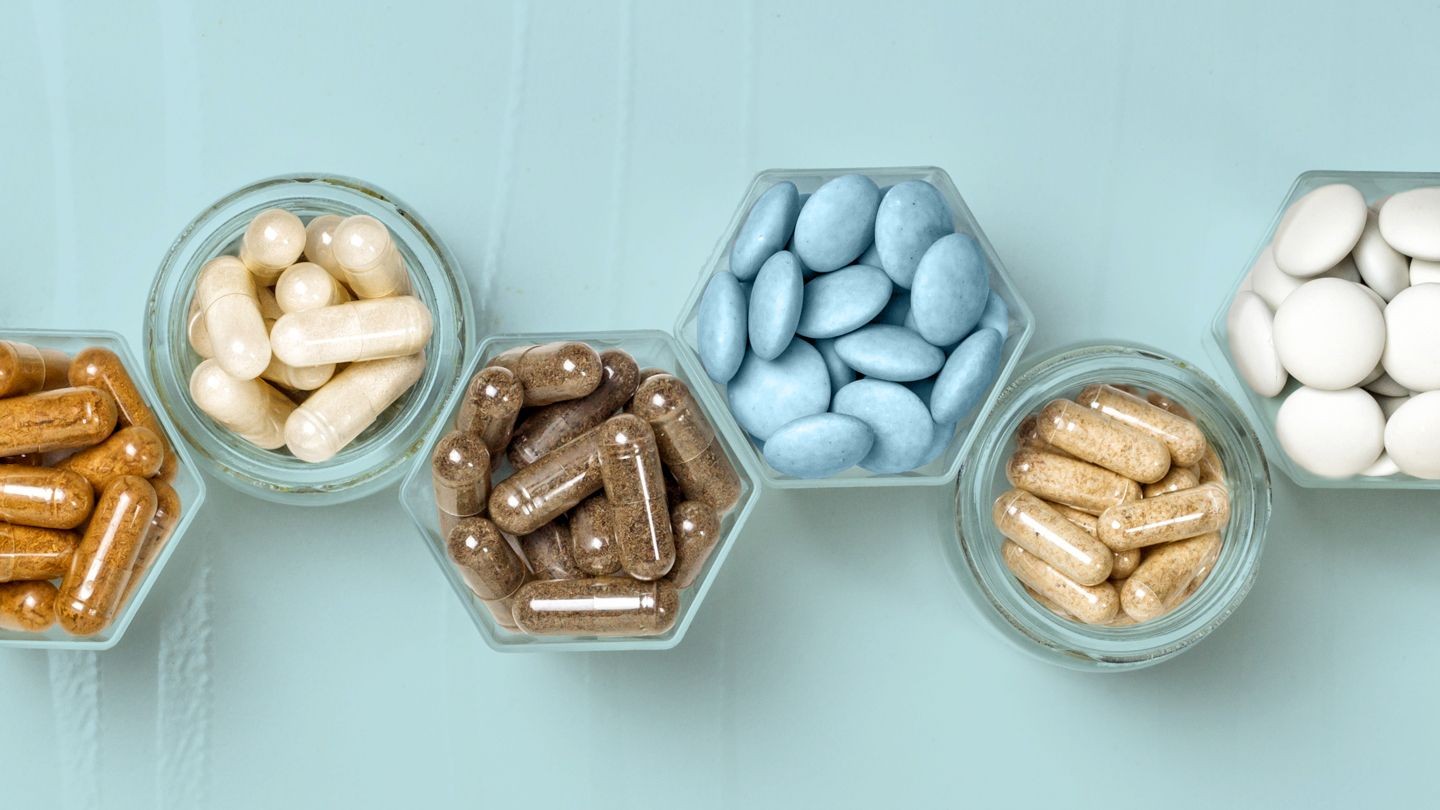
The supplement industry is vast and often confusing. While a balanced diet should always be the foundation of good health, certain nutrients may require additional support, particularly during specific life stages like pregnancy or menopause. It’s crucial to consult a healthcare professional before starting any new supplement regimen to ensure safety and avoid potential interactions with medications. The FDA does not regulate supplements, so quality control relies on third-party testing.
Here’s a breakdown of seven supplements that women may benefit from, backed by research and expert insights:
1. Vitamin D: The Bone Health Booster
Vitamin D is vital for calcium absorption, bone growth, and overall health. Many people are deficient, especially those with darker skin, limited sun exposure, or obesity. Women are at higher risk of osteoporosis, particularly after menopause, making adequate vitamin D intake essential.
Studies show that combining vitamin D with calcium can modestly improve bone mineral density in postmenopausal women, though more research is needed to confirm fracture prevention. Symptoms of deficiency are often vague (muscle pain, weakness) but can be serious if left untreated.
Daily Recommendation : 15 mcg (600 IU) up to age 70, increasing to 20 mcg (800 IU) afterward. Take with fat for optimal absorption.
2. Calcium: Maintaining Strong Bones
Calcium is essential for bone and teeth health, muscle function, and nerve signaling. Women’s calcium needs increase around menopause due to declining estrogen levels, which accelerate bone loss.
Low calcium can cause muscle cramps, brittle nails, and even more severe issues like seizures. The body absorbs calcium best in small doses (500mg or less) with meals, and vitamin D is crucial for absorption.
Daily Recommendation : 1,000 mg up to age 50, increasing to 1,200 mg after that.
3. Iron: Preventing Fatigue and Supporting Energy Levels
Iron is critical for oxygen transport, muscle function, and hormone production. Women need more iron than men due to menstrual blood loss. Pregnant women have even higher requirements. Iron deficiency can lead to fatigue, shortness of breath, and cognitive impairment.
Taking too much iron can be dangerous, causing digestive issues and, in extreme cases, organ damage. Blood tests measuring ferritin levels are more accurate than standard iron tests.
Daily Recommendation : 18 mg (non-pregnant), 27 mg (pregnant), 8 mg (postmenopausal). Take with vitamin C to enhance absorption.
4. Folic Acid: Essential for Reproductive Health
Folic acid (folate) is a B vitamin crucial for preventing neural tube defects in developing fetuses. Women of childbearing age should supplement, even if not actively trying to conceive, as deficiencies often go unnoticed until pregnancy.
Symptoms of severe deficiency include fatigue, shortness of breath, and pale skin.
Daily Recommendation : 400 mcg, increasing to 400–800 mcg for those planning pregnancy.
5. Vitamin B12: Supporting Nerve Function and Red Blood Cell Production
Vitamin B12 supports a healthy nervous system and red blood cell formation. Vegetarians and vegans are at high risk of deficiency, as it’s primarily found in animal products.
Symptoms include fatigue, swollen tongue, and heart palpitations. Long-term deficiency can cause irreversible nerve damage.
Daily Recommendation : 2.4 mcg (adults), 2.6 mcg (pregnant), 2.8 mcg (breastfeeding).
6. Magnesium: Calming Nerves and Promoting Sleep
Magnesium supports bone density, muscle relaxation, and nerve function. It may also help with sleep issues common during perimenopause and menopause. Deficiency can cause tremors, muscle spasms, and fatigue.
Daily Recommendation : 310–320 mg (adults), 350–360 mg (pregnant). Take before bed to support sleep.
7. Protein: Maintaining Muscle Mass
Protein supports muscle mass, which can decline during hormonal changes like menopause. Adequate protein intake is crucial for maintaining strength and metabolic function.
Daily Recommendation : 0.8–1.6 g per kg of body weight, increasing to 1.2–1.6 g for older adults or those with muscle loss.
The Bottom Line: Supplements can be beneficial when used strategically, but they are not a replacement for a healthy diet and lifestyle. Consulting with a healthcare provider is essential to determine the right supplements and dosages for your individual needs.