Yoga is a proven method for stress reduction, offering benefits for both physical and mental well-being. Mindfulness practices like yoga help regulate the nervous system, reducing tension and promoting relaxation. This article details five specific poses that can be practiced daily to combat stress, along with guidance on creating an optimal environment for your practice.
The Science of Yoga and Stress Relief
Stress triggers the body’s fight-or-flight response, leading to heightened cortisol levels and physical tension. Yoga counteracts this by activating the parasympathetic nervous system, inducing a state of calm. Regular practice can build resilience, making it easier to manage daily stressors. Yoga instructor Amber Wallin emphasizes the importance of a distraction-free environment: keep your phone away, ensure comfort in your clothing, and avoid rigid expectations. The goal is relaxation, not perfection.
Grounding vs. Challenging Poses
Two types of poses are particularly effective: grounding and physically challenging. Grounding poses (like lying flat) encourage mental stillness by allowing extended holds without strain. This can help quiet racing thoughts. Challenging poses (such as inversions) require intense focus and physical effort, diverting attention from stressors. The key is finding what works for you. Wallin suggests starting with just 15 minutes of daily practice, prioritizing deep breathing to further slow your heart rate and focus your mind.
5 Stress-Reducing Yoga Poses
Here are five poses to incorporate into your routine:
- Reclining Bound Angle Pose: Lie on your back, bend knees, and bring soles of feet together to form a diamond shape. Place hands on your heart and belly. Hold for at least one minute, focusing on slowing your breath.
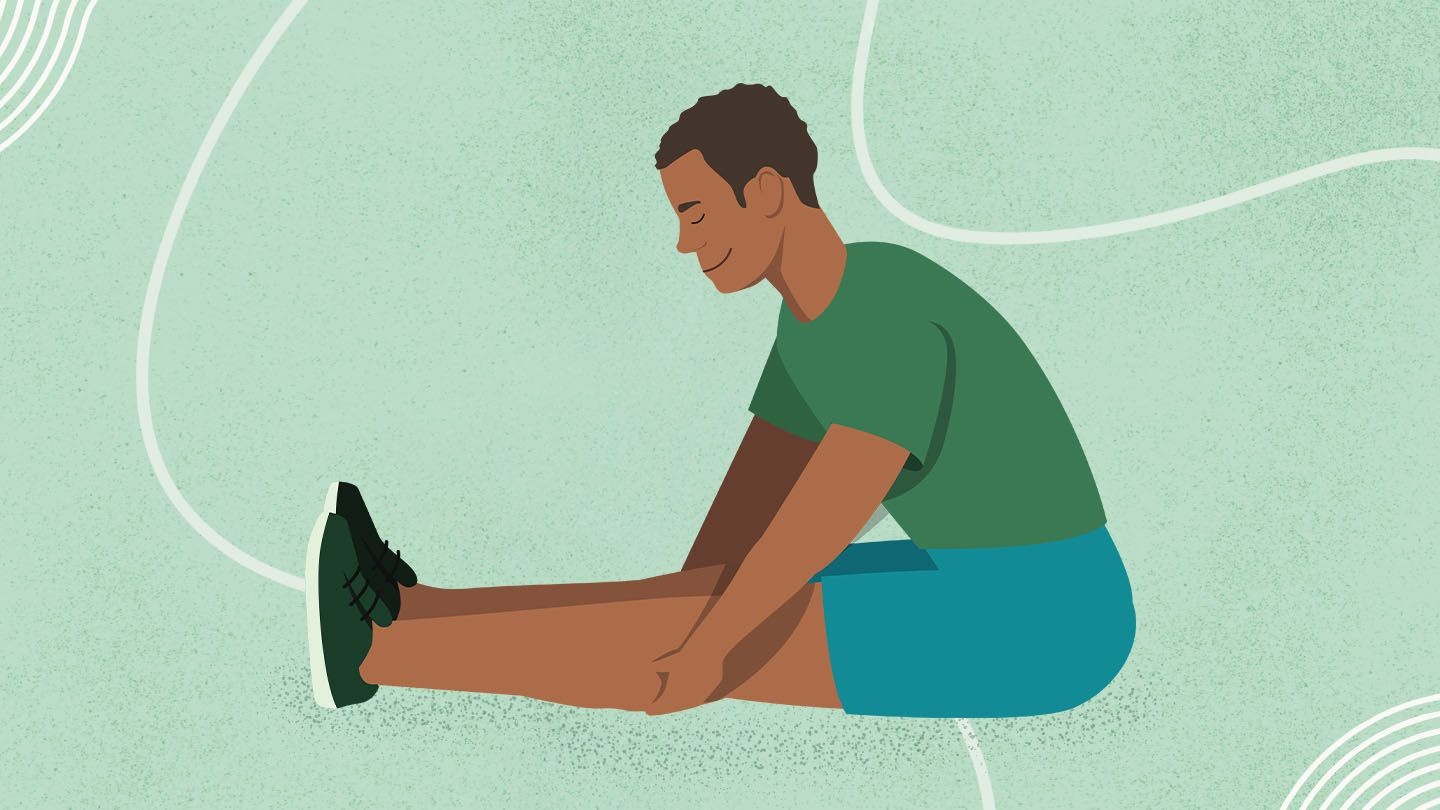
- Seated Forward Bend: Sit with legs extended, then fold forward, reaching for your toes. Maintain a long spine and avoid forcing the stretch. Rest hands on legs if needed, holding for one minute.
- Sun Salutation A (Modified): Stand with feet slightly apart, raise arms overhead, arch back, and fold forward. Focus on opening the chest and breathing deeply. Repeat several times.
- Half Pigeon Lying Down: Lie on your back, bring knees to chest, and fold right leg over left, heel resting on knee. Pull left leg toward you to stretch hamstrings. Hold for a minute on each side.
- Legs Up the Wall: Sit against a wall, lie back, and swing legs up the wall. Use pillows for comfort under the head or lower back. Hold for several breaths, allowing gravity to promote relaxation.
The Bottom Line
Yoga is a powerful tool for managing stress, with specific poses targeting both physical and mental tension. Consistency is key : even short daily practices can make a significant difference. Grounding poses offer stillness, while challenging poses provide focus; experiment to find what best suits your needs.
Editorial Sources:
Schleinzer A et al. Effects of Yoga on Stress in Stressed Adults: A Systematic Review and Meta-Analysis. Frontiers in Psychiatry. November 1, 2024.
Khajuria A et al. Reducing Stress With Yoga: A Systematic Review Based on Multimodal Biosignals. International Journal of Yoga. February 9, 2024.
Fincham GW et al. Effect of Breathwork on Stress and Mental Health: A Meta-Analysis of Randomised-Controlled Trials. Scientific Reports. January 9, 2023.