


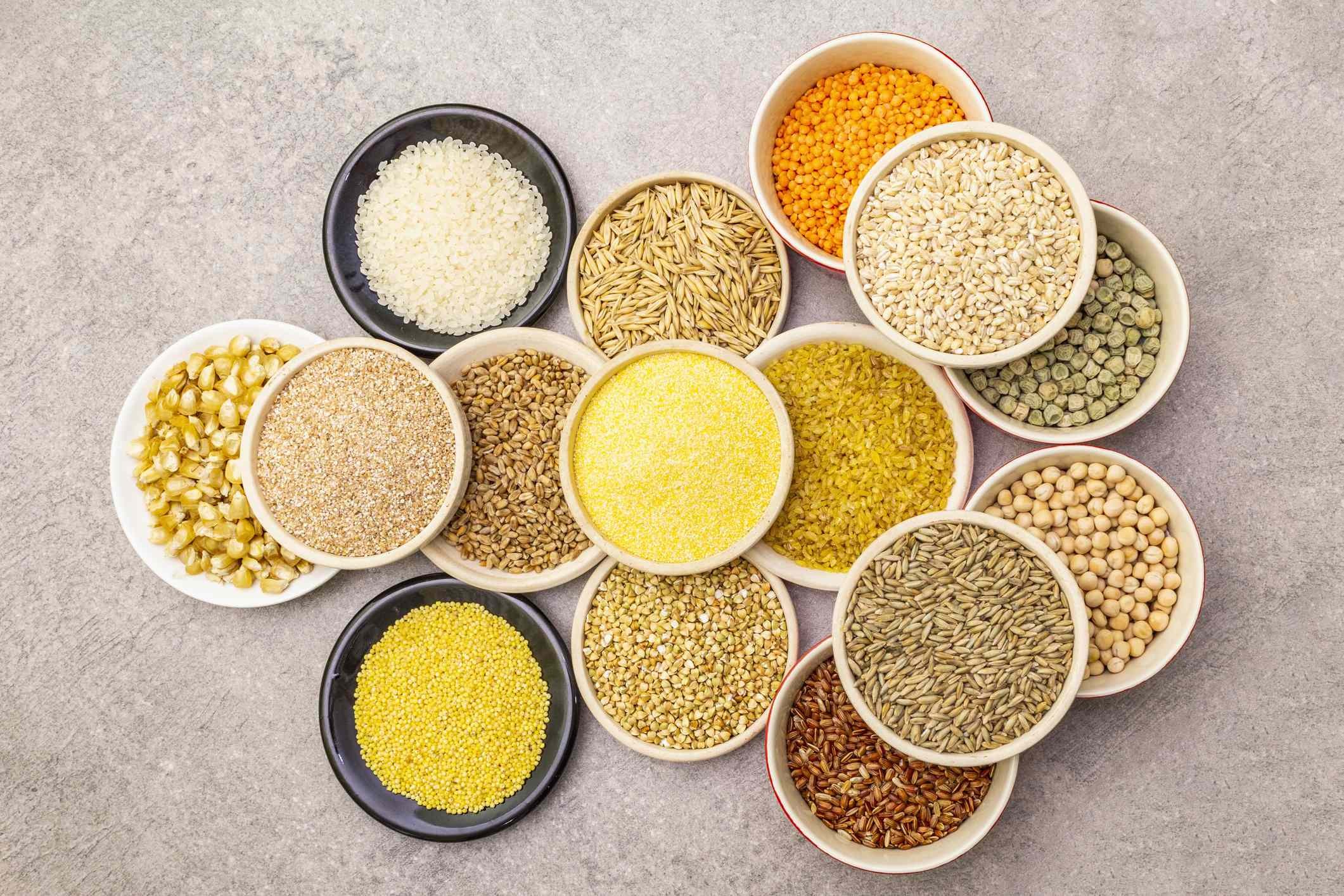
For many, rice is a dietary staple. But whether due to health goals (low-carb, paleo) or dietary restrictions (gluten intolerance), there’s growing interest in alternatives. A dietitian’s perspective helps cut through the noise. These options aren’t just about swapping one grain for another; they’re about maximizing nutrition and tailoring your diet to your specific needs.
Beyond White Rice: Why Alternatives Matter
Traditional white rice is calorie-dense but relatively low in nutrients. Modern diets often prioritize protein, fiber, and micronutrients. The alternatives listed here address those gaps, offering benefits ranging from blood sugar control to improved digestive health. Choosing wisely can support weight management, prevent chronic disease, and optimize overall well-being.
The Top 13 Rice Alternatives
Here’s a breakdown of the healthiest options, ranked for clarity and impact:
- Riced Cauliflower: The go-to for low-carb dieters. Its mild flavor makes it versatile. One cup packs just 20 calories and under 1g carbs, while delivering vitamin C, folate, and potassium.
- Quinoa: An ancient grain with a complete protein profile. It’s naturally gluten-free and provides 28% of your daily magnesium, crucial for blood pressure and sugar regulation.
- Amaranth: Even higher in protein than quinoa (9.35g per cup). It’s also rich in magnesium and iron, making it ideal for those needing an extra nutritional boost.
- Couscous: While containing gluten, couscous is high in selenium, a key antioxidant for immune and thyroid function. One cup provides half your daily selenium needs.
- Barley: A chewy, gluten-containing grain that delivers fiber (6g per cup). It’s also a good source of selenium, B vitamins, and iron.
- Buckwheat: Despite its name, buckwheat is gluten-free and beneficial for cholesterol management. Soluble fiber helps lower LDL levels, and it’s rich in magnesium and potassium.
- Teff: Another ancient grain with a low glycemic index. This means it has a minimal impact on blood sugar, making it safe for people with diabetes or prediabetes.
- Steel Cut Oats: More fibrous and protein-rich than rolled oats, steel-cut oats make a hearty rice substitute. They may also reduce heart disease risk factors.
- Riced Broccoli: Similar to riced cauliflower but packed with additional nutrients like vitamin A and carotenoids. A diet rich in cruciferous vegetables may lower cancer risk.
- Sorghum: A gluten-free grain with high protein, magnesium, and protective phenolic compounds. These compounds may fight inflammation and protect against diabetes.
- Freekeh: Roasted green wheat with twice the antioxidants, flavonoids, and phenolic compounds of regular wheat.
- Farro: A chewy, nutty ancient wheat. It provides fiber, protein, iron, and potassium… but is not suitable for those with gluten sensitivities.
- Konjac Rice: Made from the konjac plant, this rice alternative is high in glucomannan, a soluble fiber that promotes fullness and digestive health.
Making the Switch: Practical Tips
When choosing, consider your dietary needs. Low-carb? Riced cauliflower is best. Gluten-free? Quinoa, amaranth, or buckwheat. For blood sugar control, teff is a strong choice. The key is to select an alternative that aligns with your health goals, not just because it’s trendy.
Ultimately, diversifying your grain intake is beneficial. These alternatives offer a range of nutrients and textures, enhancing your diet beyond simple white rice.


